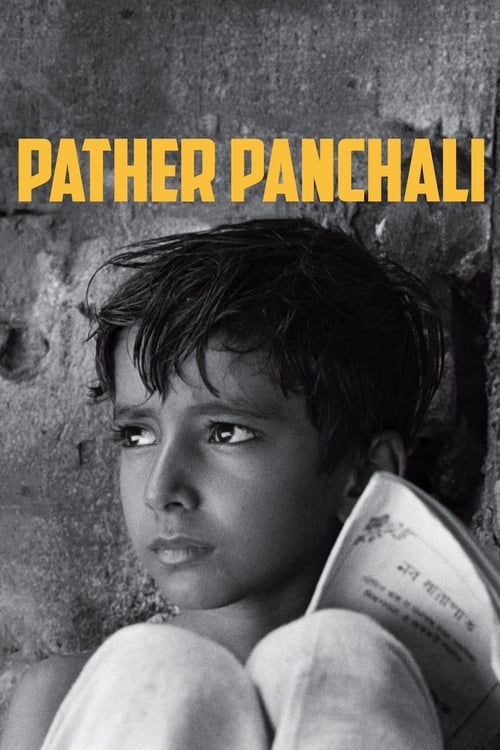
Pather Panchali
1955
No user ratings available yet
Representation score: 4.2 out of 10
Representation Score
Good
1959
PG-13Director
Satyajit Ray
Runtime
105 minutes
Average Rating
No ratings yetNew Showbiz Analysis
Satyajit Ray’s work is a profound study of human resilience in post-colonial Bengal. It succeeds by centering indigenous social dynamics and providing a powerful, non-Western centric cultural identity that resists colonial-era 'othering'. The film excels in its portrayal of women's ability to drive the story through Aparna, who acts as a nuanced emotional anchor rather than a passive figure. Its naturalistic lens provides a realistic critique of socioeconomic struggle and the mythologies of modern progress. However, the film is constrained by its 1959 setting, which lacks LGBTQ+ representation and focuses on traditional heterosexual relationships.
Category Breakdown
The film follows the traditional social structures of mid-20th-century Bengal and does not include any stories or characters that explore LGBTQ+ identities.
Aparna plays a significant role in driving the story and demonstrates strong resilience against urban poverty, challenging the stereotype of passive female characters.
The film provides a genuine, non-Western perspective by featuring a Bengali cast and avoiding Anglo-centric storytelling styles.
The narrative offers a sophisticated critique of socioeconomic structures and systemic hardship, focusing on naturalistic observation rather than idealized Western or religious frameworks.
There are no characters with specific visible or invisible disabilities that play central roles in the plot. However, the characters navigate the challenges of poverty who play a significant role in driving the story.
Present on Screen
Limited or Absent
Official Synopsis
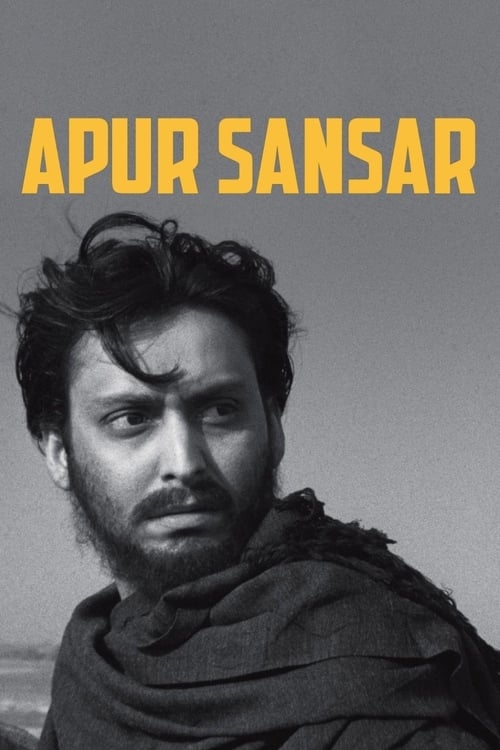
Apu, now a jobless ex-student dreaming vaguely of a future as a writer, is invited to join an old college friend on a trip up-country to a village wedding.
1955
1956
1970

1963

1966

1951
1965

2005
No reviews yet. Be the first to share your thoughts on this movie!
Use the rating form above to leave a star rating and optional review.