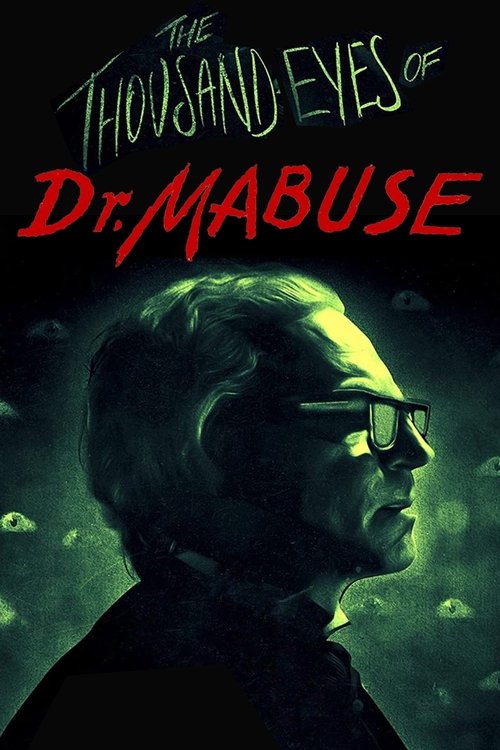
The Thousand Eyes of Dr. Mabuse
1960
No user ratings available yet
Representation score: 2.3 out of 10

Representation Score
Limited
1933
NRDirector
Fritz Lang
Runtime
122 minutes
Average Rating
No ratings yetNew Showbiz Analysis
Fritz Lang’s masterpiece is a profound exploration of the mechanics of totalitarian systems and psychological manipulation. It excels at revealing the vulnerabilities of Western institutions and how they can be undermined by unseen forces. However, the film reflects the social constraints of its time, lacking diverse representation and adhering to the rigid racial and gender hierarchies of the early 1930s. Its significance lies in its nuanced exploration of power and systemic control rather than demographic inclusivity.
Category Breakdown
The film does not include any representations of LGBTQ+ identities or same-sex relationships.
The film reinforces traditional gender roles, where female characters are limited to supporting roles and have little influence over the main plot.
The film features a predominantly white cast in a modern urban setting, with no representation of non-white characters.
The film provides a critical look at institutional stability, depicting the vulnerability of police and medical establishments to psychological manipulation.
The film portrays mental health issues through outdated medical clichés, using psychological states primarily for criminal purposes rather than character development.
Present on Screen
Limited or Absent
Official Synopsis
After a detective is assaulted by thugs and placed in an asylum run by Professor Baum, he observes the professor's preoccupation with another patient, the criminal genius Dr. Mabuse the hypnotist. When Mabuse's notes are found to be connected with a rash of recent crimes, Commissioner Lohmann must determine how Mabuse is communicating with the criminals, despite conflicting reports on the doctor's whereabouts, and capture him for good.
1960
1922

1963
1950
1936
1943
1933
1935
No reviews yet. Be the first to share your thoughts on this movie!
Use the rating form above to leave a star rating and optional review.