War Horse
2011
No user ratings available yet
Representation score: 2.9 out of 10
Representation Score
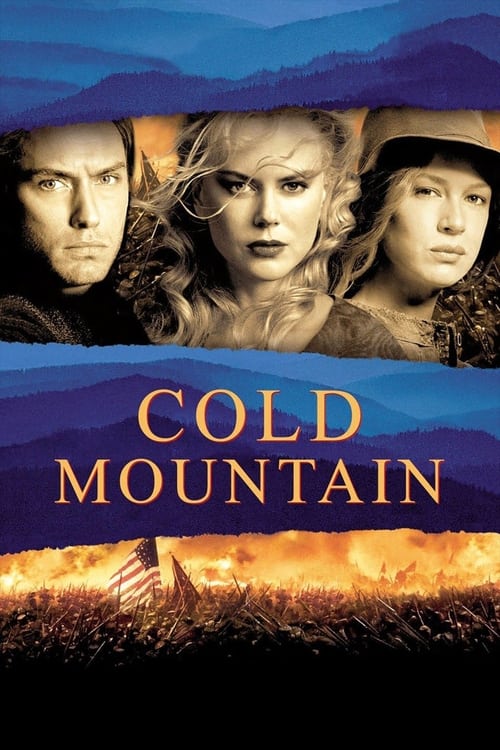
Good
2003
RDirector
Anthony Minghella
Runtime
154 minutes
Average Rating
No ratings yetNew Showbiz Analysis
Cold Mountain succeeds as a deconstruction of the romanticized 'Lost Cause' myth, replacing heroic ideals with a gritty, survival-oriented ethical framework. It finds its greatest strength in challenging traditional gender roles, portraying women as primary drivers of their own survival. However, the film is constrained by its historical setting, resulting in limited racial ability to act and a lack of LGBTQ+ visibility. While it avoids egregious caricatures, the narrative structure remains tied to the period's existing racial hierarchies. Ultimately, the film serves as a transitional text, trading singular morality for psychological depth, even if it fails to provide a platform for diverse identities beyond the traditional romantic core.
Category Breakdown
The story focuses on a traditional romantic relationship between Inman and Ada. It does not include non-cisgender identities or narratives that explicitly challenge the assumption that everyone is straight.
Ada manages her estate effectively during systemic collapse, showing a significant role in driving the story. Ruby challenges traditional feminine stereotypes through her resourcefulness and fluid personality.
Characters of color are shown within existing Southern social structures but are not central agents. The film avoids caricatures but has little control over what happens to them for non-white protagonists.
The film critiques the romanticized mythos of the Civil War and Southern socio-political structures. It embraces moral relativism and situational ethics over idealized heroism.
Physical trauma is used to highlight the visceral cost of war. However, injuries are used to advance the plot rather than explore disability identity or neurodivergent perspectives.
Present on Screen
Limited or Absent
Official Synopsis
In this classic story of love and devotion set against the backdrop of the American Civil War, a wounded Confederate soldier named W.P. Inman deserts his unit and travels across the South, aiming to return to his young wife, Ada, who he left behind to tend their farm. As Inman makes his perilous journey home, Ada struggles to keep their home intact with the assistance of Ruby, a mysterious drifter sent to help her by a kindly neighbor.
2011

1932

2001
1943

1996
2001

2003

1970
No reviews yet. Be the first to share your thoughts on this movie!
Use the rating form above to leave a star rating and optional review.