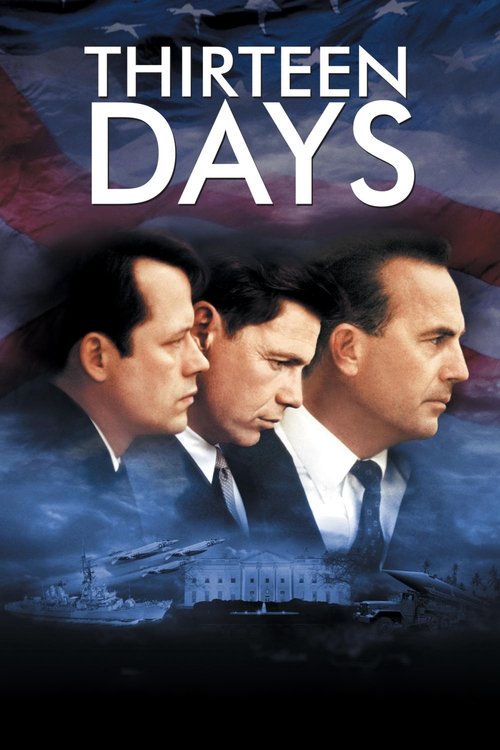
Thirteen Days
2000
No user ratings available yet
Representation score: 0.2 out of 10

Representation Score
Limited
2002
PG-13Director
Kathryn Bigelow
Runtime
138 minutes
Average Rating
No ratings yetNew Showbiz Analysis
K-19: The Widowmaker is a period-specific drama that prioritizes historical realism over modern demographic inclusion. The film's setting and subject matter naturally limit the presence of diverse identities. While the film scores low in traditional metrics like gender and LGBTQ+ representation, it excels in cultural complexity. It successfully challenges the infallibility of the state by framing the military hierarchy as an oppressive force. Ultimately, the film is a study of systemic pressure and human cost, using its historical context to critique centralized authority rather than to provide a diverse social tapestry.
Category Breakdown
The film is set within a hyper-masculine environment that assumes everyone is straight. There are no queer narratives or non-binary identities.
The story operates within a traditional male-dominated structure. Female characters have little influence and mainly serve as emotional anchors or symbols of the widows left behind.
Casting reflects the homogeneous ethnic makeup of the Soviet naval service during the Cold War. It accurately mirrors the era's demographics without disrupting traditional hierarchies.
The narrative offers a sophisticated critique of institutional power. It portrays the Soviet bureaucracy as an indifferent machine that prioritizes state image over individual lives.
The film focuses on acute physical trauma and radiation exposure rather than permanent disabilities. These injuries highlight environmental hazards rather than giving characters real power.
Present on Screen
Limited or Absent
Official Synopsis
When Russia's first nuclear submarine malfunctions on its maiden voyage, the crew must race to save the ship and prevent a nuclear disaster.
2000

1975

2018

1964

2016

1955

1995

2013
No reviews yet. Be the first to share your thoughts on this movie!
Use the rating form above to leave a star rating and optional review.