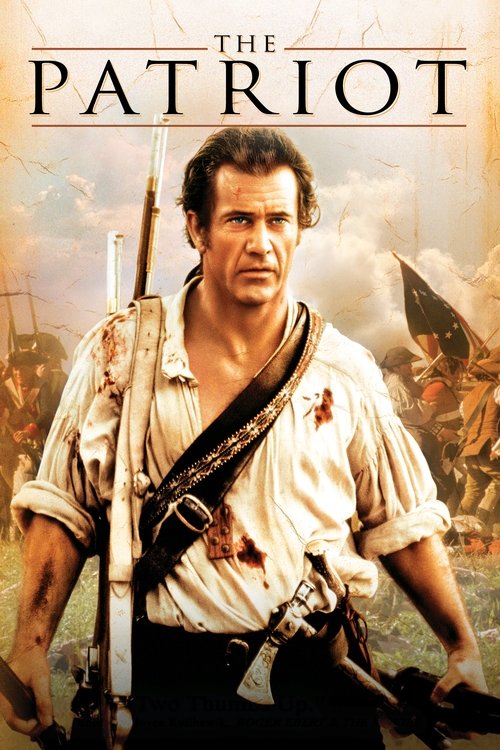
The Patriot
2000
No user ratings available yet
Representation score: 0.8 out of 10
Representation Score
Fair
1992
RDirector
Michael Mann
Runtime
112 minutes
Average Rating
No ratings yetNew Showbiz Analysis
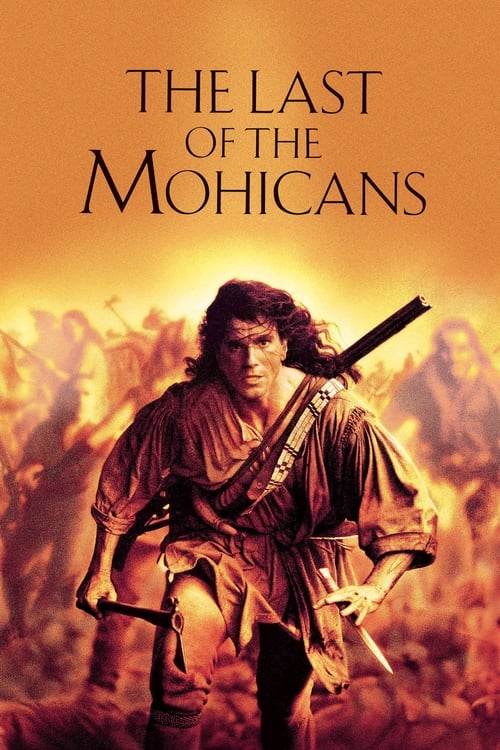
Michael Mann’s epic redefines the standard colonial narrative. Instead of portraying Western institutions as stabilizing forces, the film depicts them as fragmented and morally compromised. This approach elevates the story beyond a straightforward historical adventure. The film stands out by avoiding a single moral stance. By highlighting Indigenous ability to act and empowering women with survival skills, it challenges the rigid hierarchies of the time. However, the film remains confined by its adherence to traditional romantic structures and a lack of characters with disabilities.
Category Breakdown
The film focuses solely on straight relationships, with no visible LGBTQ+ representation or non-cisgender identities.
Cora Munro challenges 18th-century hierarchies through her resilience and equal intellect with men. While Alice Munro follows traditional roles, Cora offers a nuanced, proactive departure from passive female characters.
Characters like the Mohican and Huron play key roles with significant influence. Hawkeye serves as a cultural mediator, challenging the typical civilization versus wilderness divide.
The story questions Western imperialism by portraying British and French conflicts as morally ambiguous. It highlights survival and family ties over nationalist or religious loyalties.
The film lacks characters with visible or invisible disabilities. The focus is primarily on physical strength and survival skills.
Present on Screen
Limited or Absent
Official Synopsis
In war-torn colonial America, in the midst of a bloody battle between British, the French and Native American allies, the aristocratic daughter of a British Colonel and her party are captured by a group of Huron warriors. Fortunately, a group of three Mohican trappers comes to their rescue.
2000
1963
1936

1975
1964
1958
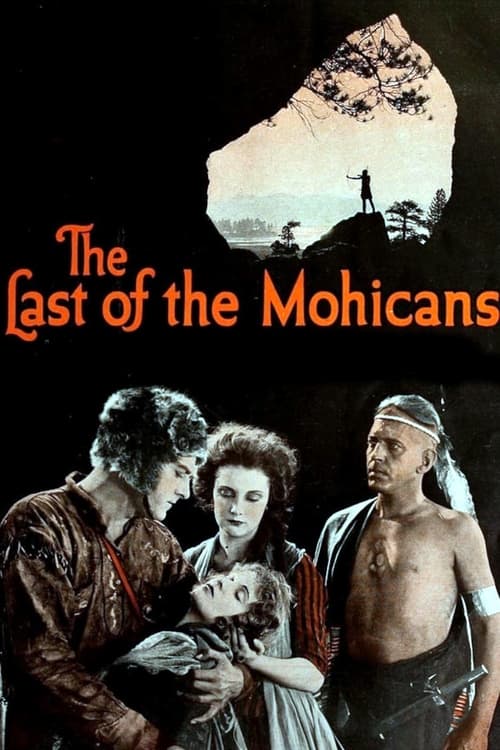
1920

1970
No reviews yet. Be the first to share your thoughts on this movie!
Use the rating form above to leave a star rating and optional review.