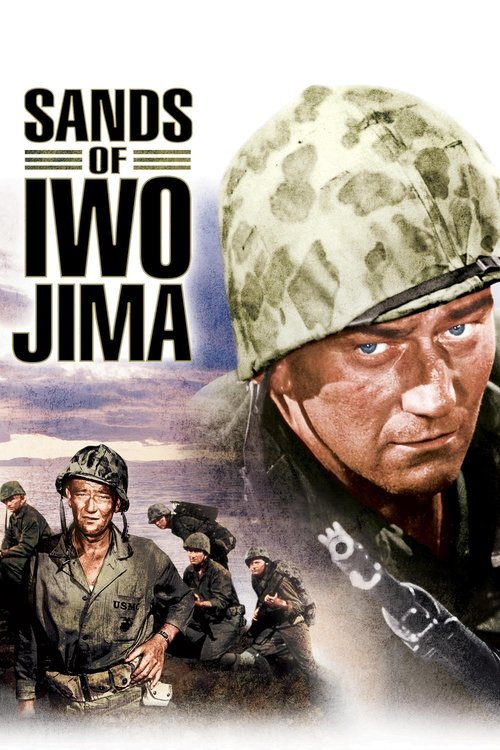
Sands of Iwo Jima
1950
No user ratings available yet
Representation score: 0.5 out of 10
Representation Score
Limited
1977
RDirector
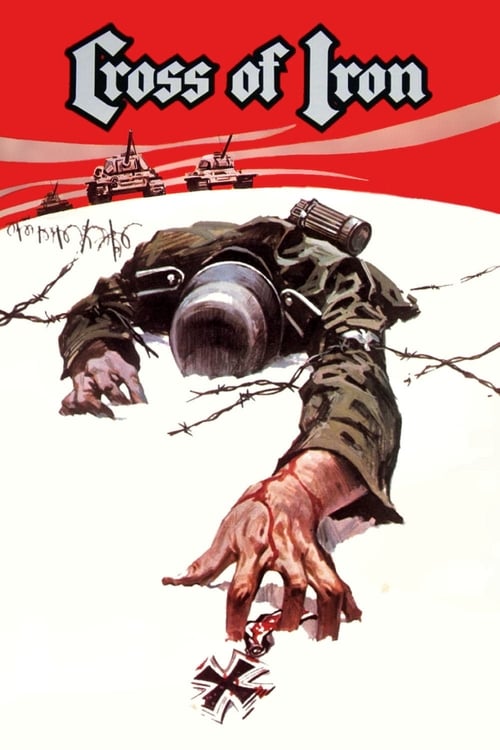
Sam Peckinpah
Runtime
133 minutes
Average Rating
No ratings yetNew Showbiz Analysis
Cross of Iron strips away the romanticized view of war, focusing on the conflict between individuals and the military bureaucracy. It lacks diverse identity representation but offers a critical look at the harsh realities of combat. The film’s low scores in gender and racial diversity come from its focus on the historically male-dominated and homogeneous Eastern Front environment. Its strength lies in its subversive narrative, challenging traditional views of heroism and institutional power.
Category Breakdown
The film focuses on a military setting where there are no LGBTQ+ characters or narratives present.
Women play minor roles with little dialogue, while the story centers around male soldiers.
The cast reflects the historical European context of the Eastern Front, lacking diverse racial and ethnic representation.
The film effectively critiques the Western military establishment, showing it as inefficient and uncaring.
Characters experience physical trauma realistically, but there are no characters with disabilities given significant roles.
Present on Screen
Limited or Absent
Official Synopsis
It is 1943, and the German army—ravaged and demoralised—is hastily retreating from the Russian front. In the midst of the madness, conflict brews between the aristocratic yet ultimately pusillanimous Captain Stransky and the courageous Corporal Steiner. Stransky is the only man who believes that the Third Reich is still vastly superior to the Russian army. However, within his pompous persona lies a quivering coward who longs for the Iron Cross so that he can return to Berlin a hero. Steiner, on the other hand is cynical, defiantly non-conformist and more concerned with the safety of his own men rather than the horde of military decorations offered to him by his superiors.
1950

1941
1970
1964
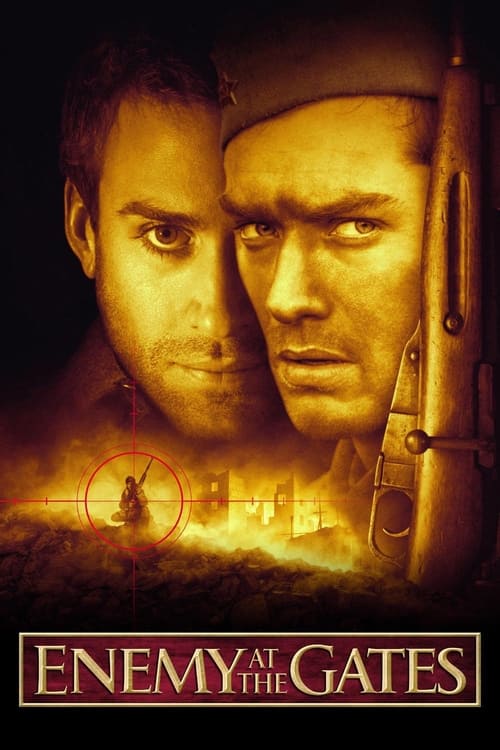
2001

1956
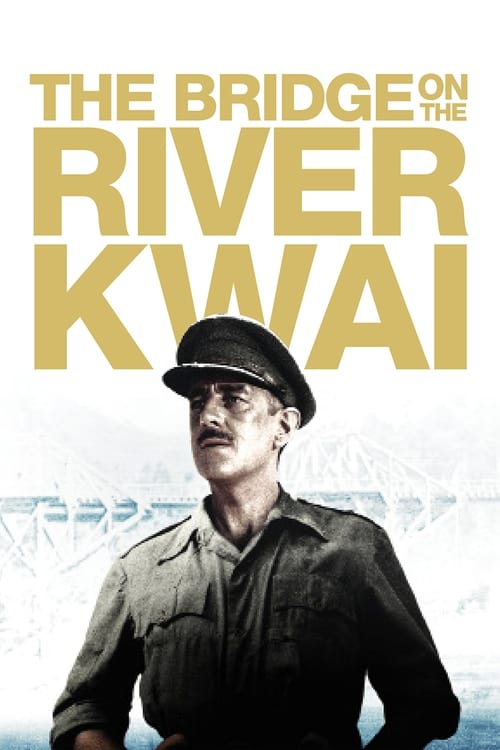
1957
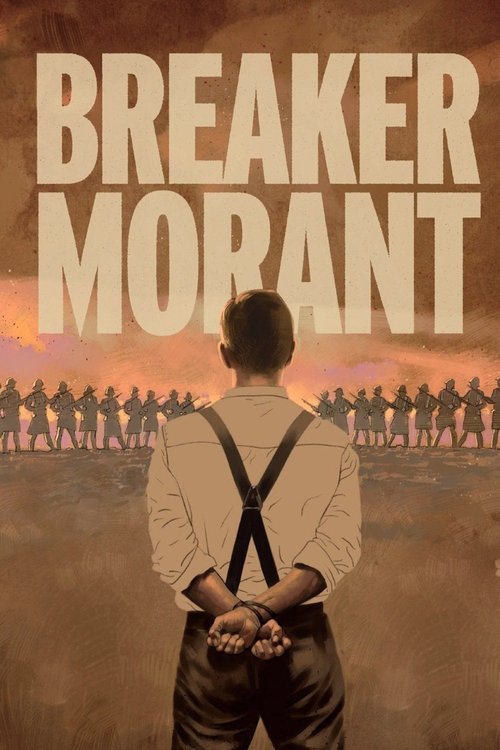
1980
No reviews yet. Be the first to share your thoughts on this movie!
Use the rating form above to leave a star rating and optional review.