Enemy at the Gates
2001
No user ratings available yet
Diversity score: 2.9 out of 10
1970
GDirector
Toshio Masuda, Kinji Fukasaku, Richard Fleischer
Runtime
144 minutes
Average Rating
No ratings yetSynopsis
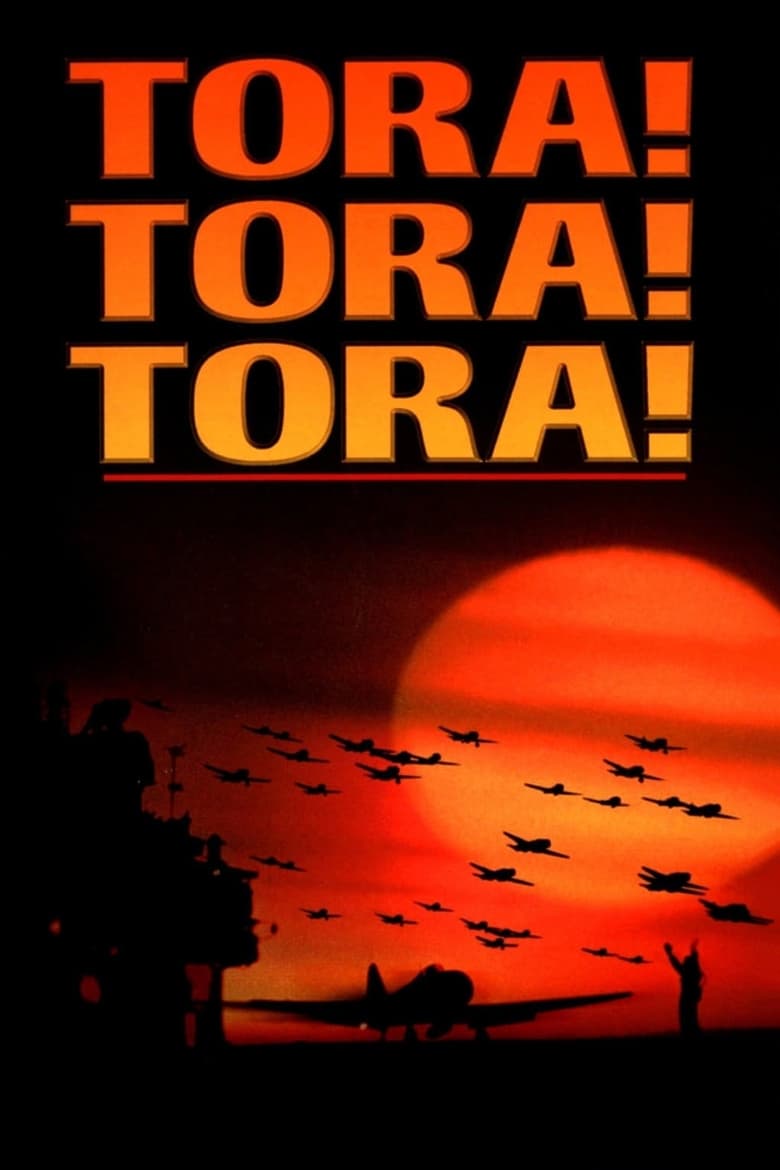
In the summer of 1941, the United States and Japan seem on the brink of war after constant embargos and failed diplomacy come to no end. "Tora! Tora! Tora!", named after the code words used by the lead Japanese pilot to indicate they had surprised the Americans, covers the days leading up to the attack on Pearl Harbor, which plunged America into the Second World War.
Overall Score
Limited
Category Breakdown
LGBTQ+ Representation
The film contains no visible LGBTQ+ characters or non-heteronormative narratives. The setting is strictly confined to hyper-masculine naval and aerial combat environments.
Gender Representation
The narrative is almost exclusively male-centric, focusing on naval officers and pilots. Women are largely absent from primary plot arcs, reinforcing traditional gender hierarchies within military command.
Racial & Ethnic Diversity
The film achieves ethnic specificity by providing significant narrative depth to the Japanese high command. This avoids the 'othering' of the adversary common in Western war films.
Religious & Cultural Diversity
The film portrays the US and Imperial Japanese Navies as highly structured entities. It focuses on technical and systemic military failures rather than deconstructing Western institutions.
Disability Representation
There is no discernible representation of visible or invisible disabilities. Characters are portrayed solely through the lens of physical and mental readiness required for combat.
Strengths
Areas for Improvement
AI Analysis
Tora! Tora! Tora! distinguishes itself from standard Hollywood war epics by utilizing a tripartite directorial structure that includes both American and Japanese leadership. This approach disrupts the traditional victor's narrative, offering a dualistic perspective that grants the Japanese side significant agency and depth. However, the film remains deeply rooted in the patriarchal and nationalist frameworks of 1941. The narrative architecture is almost entirely male-dominated, centering all leadership and intellect within a rigid military hierarchy that excludes women and LGBTQ+ identities. Ultimately, the film's value lies in its historical nuance regarding the adversary rather than modern intersectional representation. It provides a balanced account of geopolitical inevitability without attempting to challenge the era's social structures.
2001
1993
2004
2012
1957
1970
1977
2022
1980
2006
1965
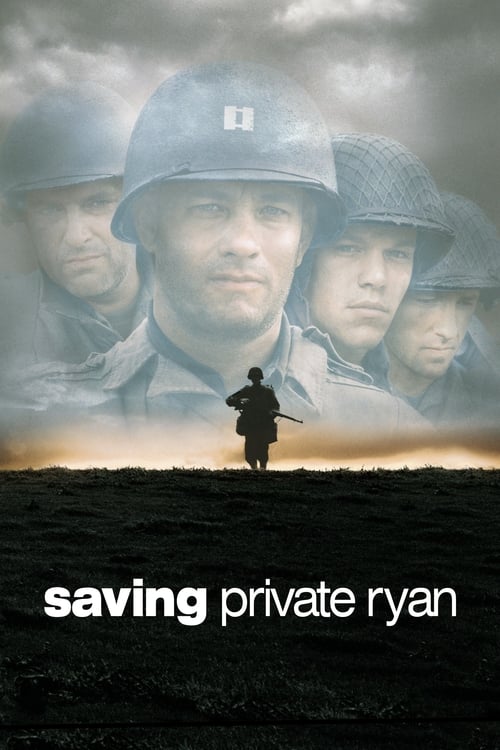
1998
No reviews yet. Be the first to share your thoughts on this movie!
Use the rating form above to leave a star rating and optional review.