Kingdom of Heaven
2005
No user ratings available yet
Representation score: 4.3 out of 10
Representation Score
Fair
1999
RDirector
Luc Besson
Runtime
158 minutes
Average Rating
No ratings yetNew Showbiz Analysis
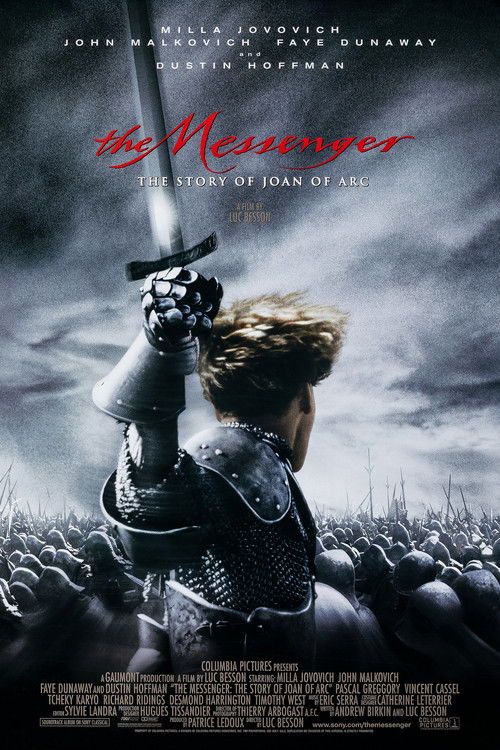
Luc Besson’s epic centers on a underrepresented individual who dismantles rigid societal structures. The film's greatest strength lies in its aggressive subversion of gendered power dynamics, transforming a peasant woman into a commanding military leader. However, the film is limited by its strict adherence to historical homogeneity. The lack of racial and LGBTQ+ diversity confines the narrative to a narrow demographic scope, reflecting the specific ethnic constraints of the Hundred Years' War. Ultimately, the work functions as a critique of institutional authority. While it uses spiritual visions as a plot device, it does not explore mental health issues. Its deconstruction of corrupt power structures provides a progressive thematic foundation.
Category Breakdown
The film adheres closely to a traditional historical path without including any non-straight or non-cisgender identities. There is no critique of the assumption that everyone is straight or cisgender.
Joan of Arc upends medieval hierarchies by placing a female peasant at the top of both military and spiritual authority. Her significant role in driving the plot challenges the dominance of male leadership.
The film's setting is a homogeneous European landscape typical of 15th-century France. It maintains a narrow ethnic focus without incorporating diverse casting.
The narrative criticizes the Catholic Church and monarchy as corrupt political entities. It contrasts the perceived purity of the peasantry against the oppressive actions of the ruling nobility.
Joan’s divine visions touch on psychological and sensory experiences. However, these are portrayed as spiritual phenomena rather than a detailed look at neurodivergence or mental health issues.
Present on Screen
Limited or Absent
Official Synopsis
In 1429, a French teenager stood before her King with a message she claimed came from God; that she would defeat the world's greatest army and liberate her country from its political and religious turmoil. As she reclaims God's diminished kingdom, this courageous young woman has various amazing victories until her violent and untimely death.
2005
1961

1995
1963

1959
1928

2017
1961
No reviews yet. Be the first to share your thoughts on this movie!
Use the rating form above to leave a star rating and optional review.