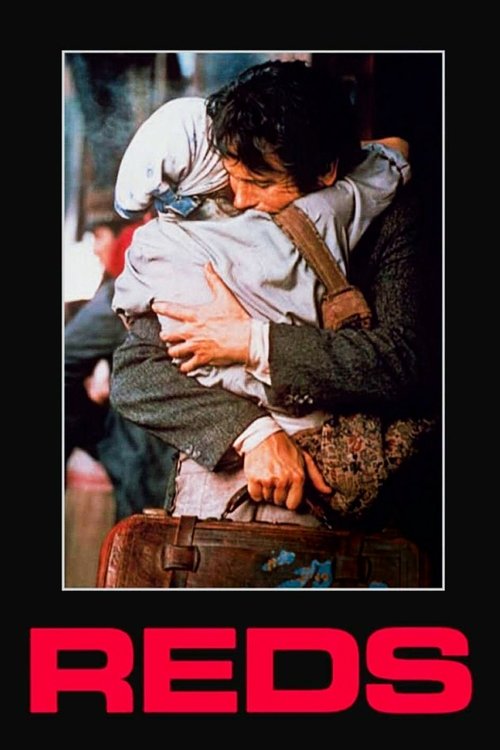
Reds
1981
No user ratings available yet
Representation score: 8.1 out of 10
Representation Score
Good
1995
Not RatedDirector
Ken Loach
Runtime
109 minutes
Average Rating
No ratings yetNew Showbiz Analysis
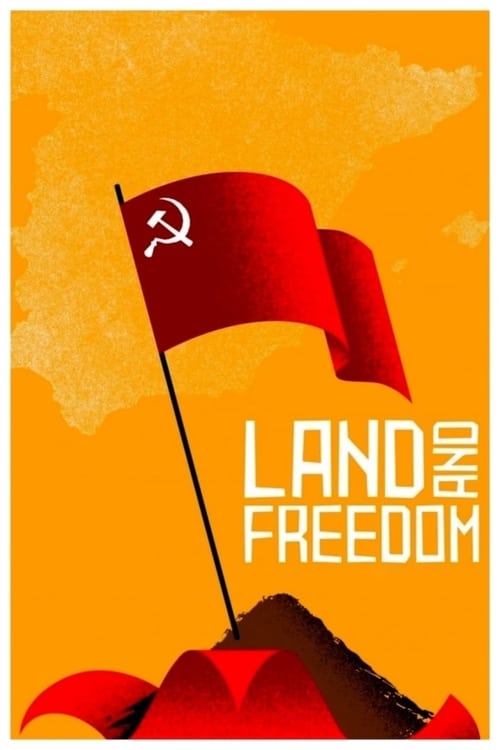
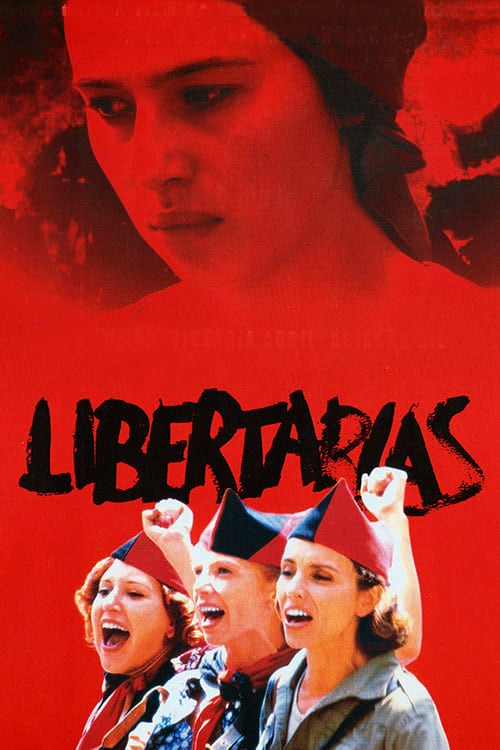
Ken Loach presents a nuanced historical drama that dismantles the simplistic view of the Republican side during the Spanish Civil War. The film's strength lies in its detailed exploration of the complex, competing ideologies within the conflict. By presenting the struggle as a fight between grassroots liberation and centralized authoritarianism, the film underscores the active role of the working class against entrenched institutions. While the film excels in analyzing class and cultural dynamics, it does not delve deeply into individual identity markers such as sexual orientation. However, its portrayal of gender roles and international cooperation offers a rich, progressive framework for understanding historical events.
Category Breakdown
The film focuses on political and ideological conflicts rather than sexual orientation. It does not include narratives or identities that challenge the assumption that everyone is straight or cisgender.
Women are shown as active participants in politics and combat, rather than being confined to domestic roles. This portrayal challenges the traditional male-dominated structures of the 1930s.
The film features a diverse group of international volunteers, highlighting various ethnic and national backgrounds. This mix avoids a singular national perspective, emphasizing a class-based identity.
The narrative criticizes the Catholic Church and centralized state authority as reactionary forces. It highlights the struggle of the working class against oppressive, traditional Western hierarchies.
The film does not focus on visible or invisible disabilities as central elements of the plot.
Present on Screen
Limited or Absent
Official Synopsis
Summer 1936: young unemployed communist David Carr leaves Liverpool to join the fight against fascism in Spain. He joins an international group of Militia-men and women, the POUM (Partido Obrero de Unificación Marxista). After being wounded, he goes to Barcelona, where he joins another group of fighters.
1981
2020

2006
2009
2008

2008
1996
1965
No reviews yet. Be the first to share your thoughts on this movie!
Use the rating form above to leave a star rating and optional review.