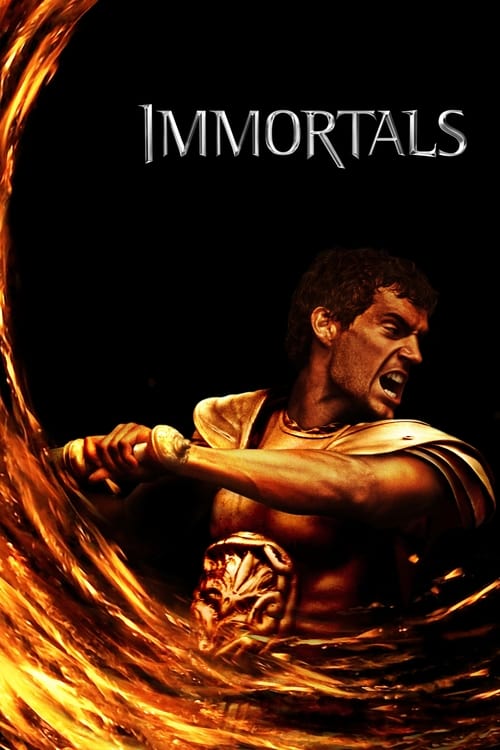
Immortals
2011
No user ratings available yet
Representation score: 5.3 out of 10
Representation Score
Fair
2014
RDirector
Noam Murro
Runtime
102 minutes
Average Rating
No ratings yetNew Showbiz Analysis
The film stands out by placing a strong female commander as a central antagonist, disrupting traditional gender roles and challenging the typical portrayal of wartime narratives. However, the absence of LGBTQ+ representation and adherence to traditional moral frameworks limit its inclusivity. Additionally, while the Persian forces are depicted through a diverse cast, the film’s visual style occasionally risks exoticizing the Eastern forces, reinforcing a stark contrast between Greek and Persian identities.
Category Breakdown
The film focuses on heterosexual relationships and conflicts, with no visible representation of same-sex intimacy or non-binary gender identities.
Artemisia is portrayed as a powerful female commander with significant military authority and intellectual equality. Her role challenges the stereotype of a male-dominated battlefield.
The Persian Empire is represented through a diverse cast reflecting various ethnicities. However, the film's visual style sometimes leans towards exoticizing the Eastern forces.
The story adheres to traditional notions of heroism and the defense of the state, maintaining a conventional moral framework without challenging religious institutions.
There are no prominent depictions of visible or invisible disabilities. Characters are primarily defined by their physical abilities and combat skills.
Present on Screen
Limited or Absent
Official Synopsis
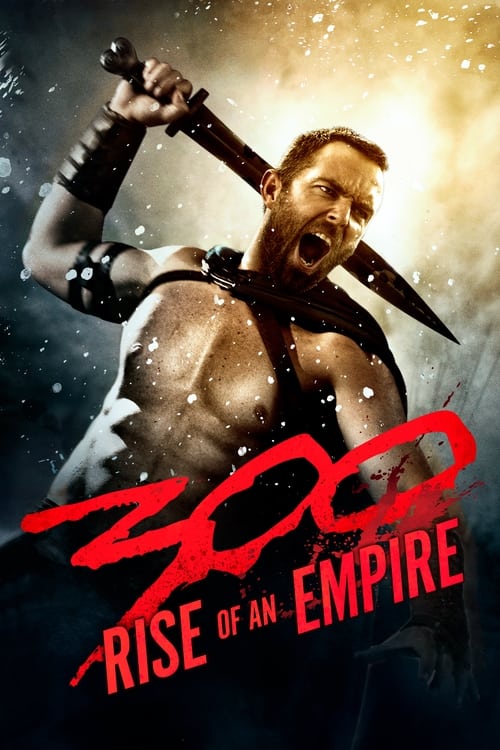
Greek general Themistocles attempts to unite all of Greece by leading the charge that will change the course of the war. Themistocles faces the massive invading Persian forces led by mortal-turned-god, Xerxes and Artemesia, the vengeful commander of the Persian navy.
2011
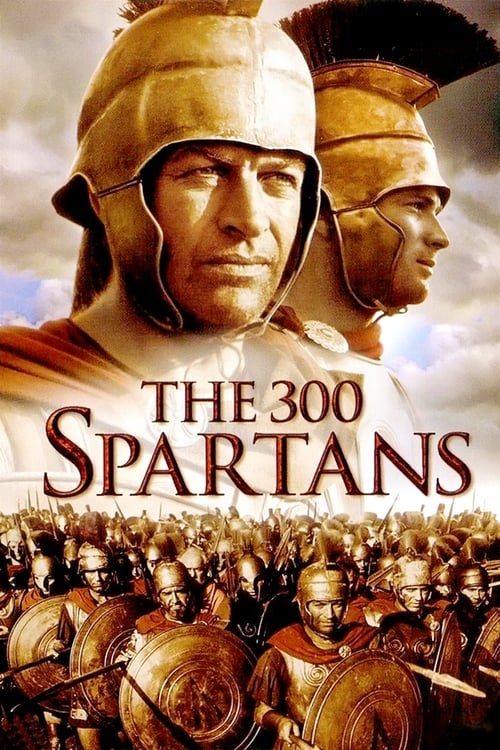
1962

2010

1964
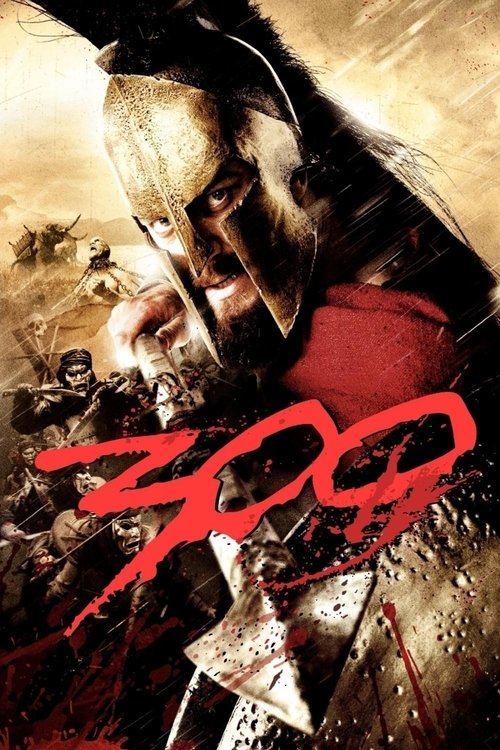
2007
2009

2014
2018
No reviews yet. Be the first to share your thoughts on this movie!
Use the rating form above to leave a star rating and optional review.