
Full Metal Jacket
1987
No user ratings available yet
Representation score: 4.2 out of 10
Representation Score
Limited
2000
RDirector
Joel Schumacher
Runtime
101 minutes
Average Rating
No ratings yetNew Showbiz Analysis
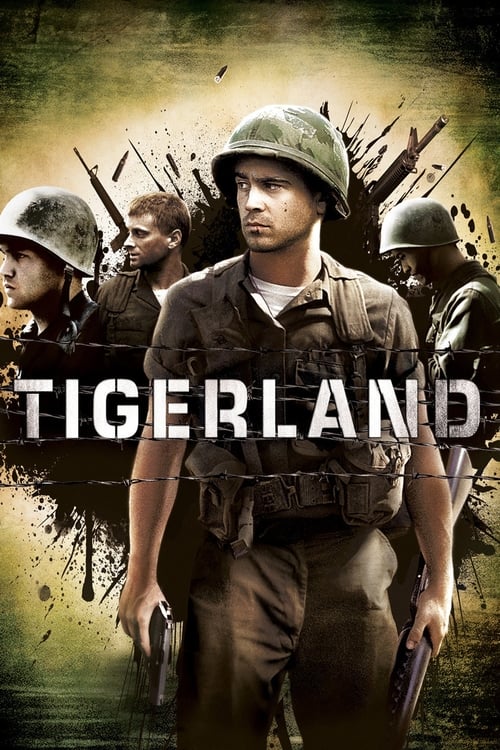
Tigerland is a raw portrayal of institutional breakdown rather than a survey of diverse demographics. While it excludes women and LGBTQ+ identities, it avoids glorifying war. Instead, it zeroes in on the psychological disintegration of men within a corrupt system. The film's strength lies in its meaningful racial integration and its critical view of the military-industrial complex. By making Black soldiers central figures facing shared systemic pressures, it provides a grounded perspective on Vietnam-era military dynamics. However, the film remains confined by its narrow focus on a hyper-masculine environment. The depiction of trauma serves the plot's brutality rather than exploring the complexities of disability.
Category Breakdown
The film adheres to a strict focus on straight and cisgender relationships, with no visible LGBTQ+ characters or depictions of non-assuming gender matches what was assigned at birth identities.
The setting emphasizes a monolithic masculine landscape where women have no significant role in driving the story. It reinforces a rigid hierarchy of masculinity based on violence and endurance.
Black soldiers are integrated into the main group, avoiding including someone from a minority group without giving them real depth. They play a significant role in navigating systemic pressures and harsh training conditions.
The film critiques the military-industrial complex by showing Western institutions as predatory and corrupt systems that consume individuals.
Physical and psychological trauma are used mainly to illustrate brutality. The film lacks nuanced exploration of disability or neurodivergence, focusing instead on environmental harshness.
Present on Screen
Limited or Absent
Official Synopsis
A group of recruits go through Advanced Infantry Training at Fort Polk, Louisiana's infamous Tigerland, last stop before Vietnam for tens of thousands of young men in 1971.
1987
1980
1978

1979
2000
1971
1986

1998
No reviews yet. Be the first to share your thoughts on this movie!
Use the rating form above to leave a star rating and optional review.