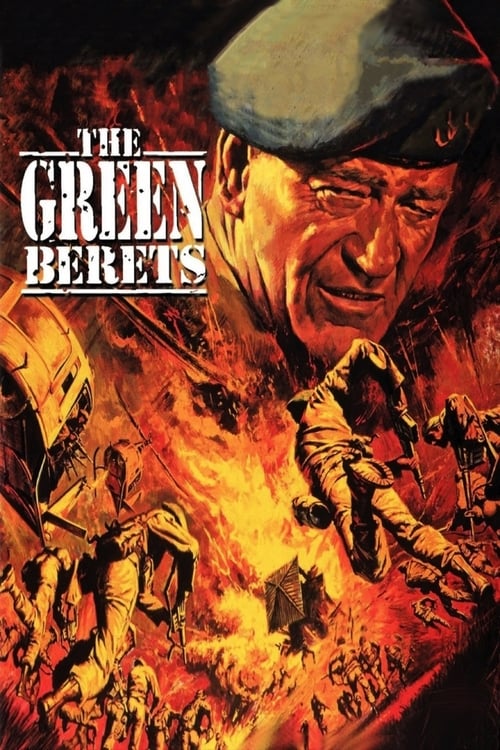
The Green Berets
1968
No user ratings available yet
Representation score: 0.5 out of 10

Representation Score
Limited
1979
RDirector
Francis Ford Coppola
Runtime
147 minutes
Average Rating
No ratings yetNew Showbiz Analysis
Apocalypse Now is a deeply masculine epic that prioritizes psychological depth and the deconstruction of institutional structures over demographic variety. While it fails significantly in gender and LGBTQ+ representation, it excels in its cultural critique of Western hegemony. The film's strength lies in its anti-imperialist subtext and its refusal to frame American intervention as a stabilizing force. It challenges the moral superiority of Western ethics through the character of Colonel Kurtz. However, the narrative remains limited by its perspective, often viewing the Southeast Asian landscape and its people through a strictly American lens. The lack of women's ability to drive the story and nuanced mental health representation keeps the diversity score low.
Category Breakdown
The film focuses solely on straight military relationships and male camaraderie. There are no LGBTQ+ characters or non-cisgender identities represented.
The story centers on male psychological breakdown and brotherhood. Women appear as symbolic or highly stylized figures rather than active participants, lacking control over their own stories.
The cast is mostly white, reflecting the American military presence. Vietnamese people are shown primarily through the eyes of the American characters.
The film provides a deep critique of Western institutions and military authority. It uses religious symbols to highlight the hypocrisy of institutional beliefs.
Psychological trauma and mental instability are explored through the lens of war's chaos. These elements serve the plot's descent into disorder rather than offering nuanced representation.
Present on Screen
Limited or Absent
Official Synopsis
At the height of the Vietnam war, Captain Benjamin Willard is sent on a dangerous mission that, officially, "does not exist, nor will it ever exist." His goal is to locate - and eliminate - a mysterious Green Beret Colonel named Walter Kurtz, who has been leading his personal army on illegal guerrilla missions into enemy territory.
1968

1988
2020
1986

1987

1966

2000
1978
No reviews yet. Be the first to share your thoughts on this movie!
Use the rating form above to leave a star rating and optional review.