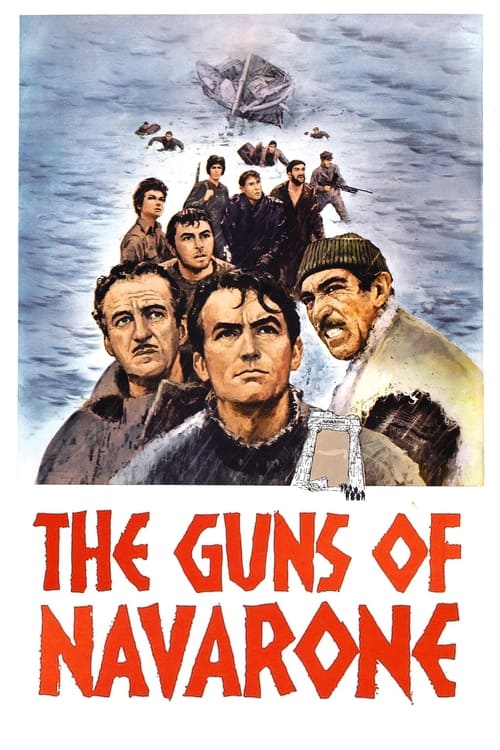
The Guns of Navarone
1961
No user ratings available yet
Representation score: 0.8 out of 10

Representation Score
Limited
1967
NRDirector
Robert Aldrich
Runtime
149 minutes
Average Rating
No ratings yetNew Showbiz Analysis
The film challenges the traditional war hero archetype by focusing on social outcasts and convicted criminals. Although it lacks meaningful LGBTQ+ representation, it complicates the idea of patriotic virtue through moral relativism. By integrating diverse racial and religious backgrounds into the ensemble, the film provides a moderate level of representation for its time. This helps move the story away from the homogeneity typical of mid-century cinema. Ultimately, the film's strength lies in its cynical deconstruction of institutional authority. It reimagines social dysfunction as a necessary tool of war, marking a shift towards more complex, anti-hero driven storytelling.
Category Breakdown
The film does not include any non-straight or non-cisgender identities, maintaining a strict focus on heterosexual relationships.
The cast is predominantly male, emphasizing masculine combat and discipline. Women have limited roles and rarely challenge gender hierarchies.
The ensemble features mostly white actors but includes characters of various ethnicities and Jewish backgrounds. These diverse characters are integral to the story of a misfit group.
The narrative questions traditional morality by portraying criminals as state-sanctioned agents. Military authority is shown as pragmatic and cynical rather than morally righteous.
The film does not depict any visible or invisible disabilities. There are no neurodivergent characters with significant roles.
Present on Screen
Limited or Absent
Official Synopsis
12 American military prisoners in World War II are ordered to infiltrate a well-guarded enemy château and kill the Nazi officers vacationing there. The soldiers, most of whom are facing death sentences for a variety of violent crimes, agree to the mission and the possible commuting of their sentences.
1961
1965
1968
1943

1985
1970
1987

1987
No reviews yet. Be the first to share your thoughts on this movie!
Use the rating form above to leave a star rating and optional review.