Dunkirk
2017
No user ratings available yet
Representation score: 1.2 out of 10
Representation Score
Fair
2006
RDirector
Clint Eastwood
Runtime
141 minutes
Average Rating
No ratings yetNew Showbiz Analysis
Letters from Iwo Jima stands out by shifting the perspective to the Japanese defenders, disrupting typical Hollywood clichés and providing significant roles for a non-Western cast. However, the film's diversity is uneven. While it excels in racial and cultural nuances, it operates within a rigid, hyper-masculine framework that excludes women and LGBTQ+ identities entirely. The result is a film that is culturally transformative but socially narrow, prioritizing a sophisticated, relativistic view of the human cost of imperial warfare over gender and sexual diversity.
Category Breakdown
The film is set in a highly masculine military environment where there is no representation of LGBTQ+ identities or same-sex relationships.
The story focuses on a strictly patriarchal military structure where female characters are completely absent, thus not engaging with gendered power dynamics.
By featuring a Japanese cast and using the native language, the film avoids the 'faceless antagonist' stereotype and gives significant roles to characters of color.
The story uses moral relativism to break down the traditional hero-villain dichotomy, portraying soldiers as individuals caught in the machinery of empire and systemic conflict.
Physical trauma and combat injuries are shown as consequences of war, focusing on survival struggles rather than exploring specific disability identities.
Present on Screen
Limited or Absent
Official Synopsis
The story of the battle of Iwo Jima between the United States and Imperial Japan during World War II, as told from the perspective of the Japanese who fought it.
2017
1969
2006
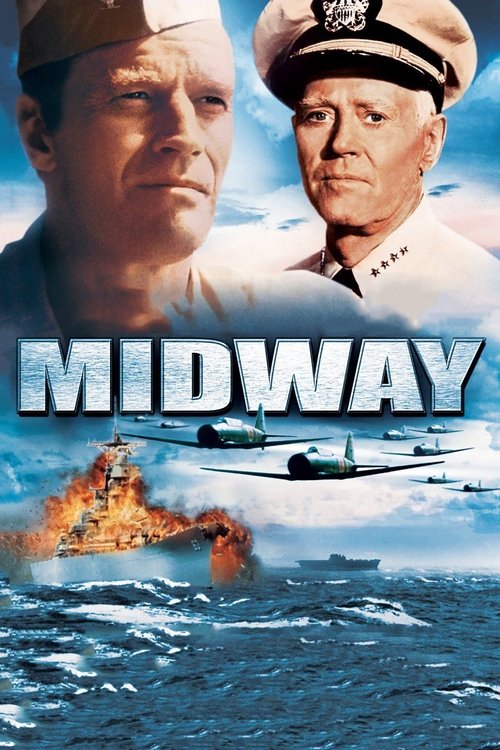
1976
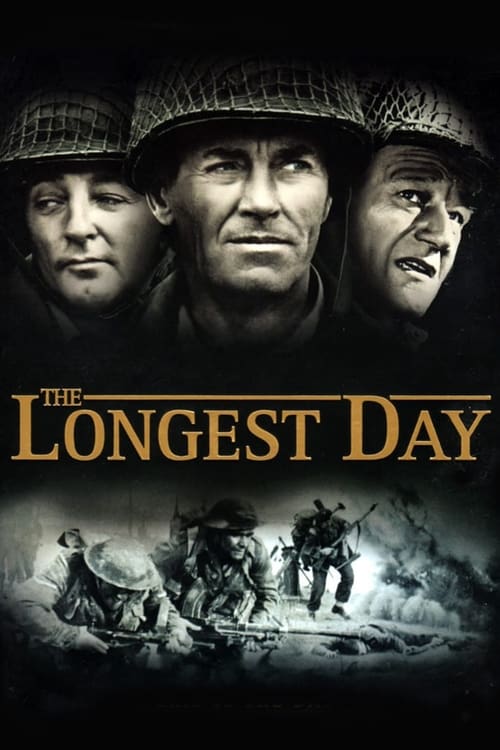
1962
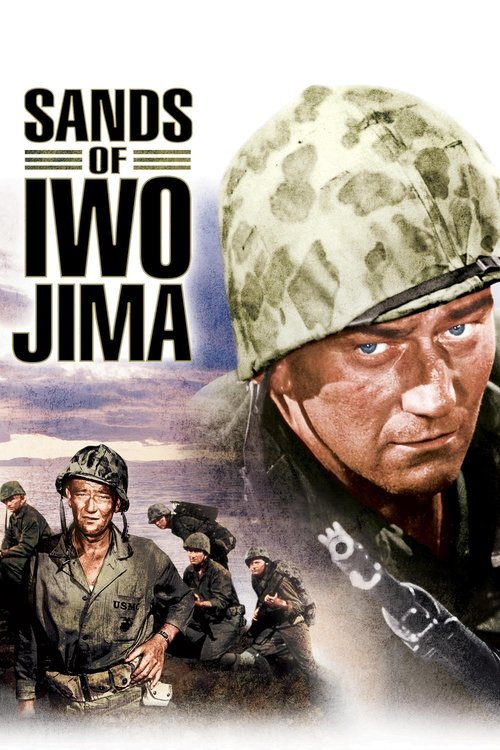
1950
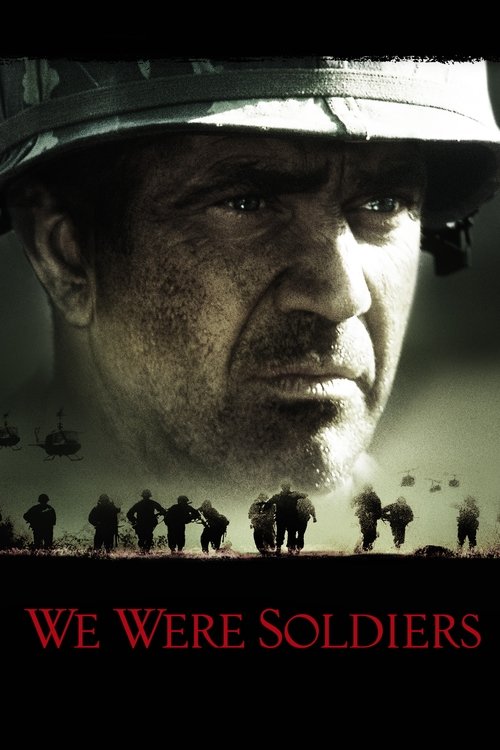
2002

1958
No reviews yet. Be the first to share your thoughts on this movie!
Use the rating form above to leave a star rating and optional review.