
Valkyrie
2008
No user ratings available yet
Representation score: 2.3 out of 10

Representation Score
Good
2009
RDirector
Quentin Tarantino
Runtime
153 minutes
Average Rating
No ratings yetNew Showbiz Analysis
Inglourious Basterds opens with a Jewish family’s massacre and closes with a Jewish woman burning the Nazi elite. Shosanna’s cinema fire is the film’s thesis: the regime’s culture is ash, and its leaders are meat. The Basterds scalp Nazis for sport, but Shosanna kills for justice. Her precision defeats Landa’s charm. The film treats Jewish survival as the only valid moral stance. The last image is fire, consuming the propaganda that built the state.
Category Breakdown
No same-sex couples or identities appear on screen. Romantic and sexual dynamics remain strictly heterosexual. This absence aligns with the specific war narrative context.
Shosanna serves as the strategic and moral center, executing the final act of vengeance with precision. Her competence contrasts with the loud, crude male Basterds who serve as her enablers. The film frames female patience and targeted violence as superior to male brute force.
Jewish identity drives the plot, with Jewish characters holding the moral high ground and tactical edge. A Black soldier serves as a competent team member, and an Afro-French man is Shosanna’s lover. Non-white characters are active agents rather than passive victims or background props.
Nazi Germany is depicted as a hollow, bureaucratic evil that must be destroyed. The film rejects traditional war heroism in favor of personal vengeance and cinematic spectacle. The burning of the cinema serves as the ultimate rejection of the regime’s cultural apparatus.
No characters with lasting physical or cognitive impairments are featured. Injuries are temporary plot devices that do not alter the characters’ long-term status or abilities. The focus remains on able-bodied combatants.
Present on Screen
Limited or Absent
Official Synopsis
In Nazi-occupied France during World War II, a group of Jewish-American soldiers known as "The Basterds" are chosen specifically to spread fear throughout the Third Reich by scalping and brutally killing Nazis. The Basterds, lead by Lt. Aldo Raine soon cross paths with a French-Jewish teenage girl who runs a movie theater in Paris which is targeted by the soldiers.
2008

1943

2016
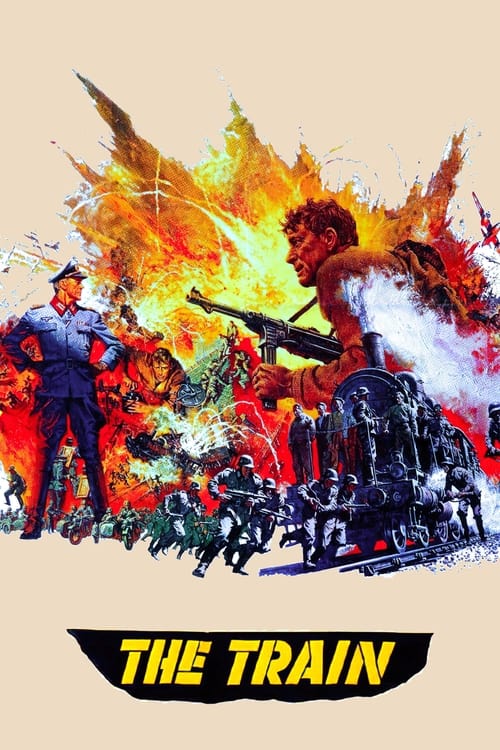
1964

2008
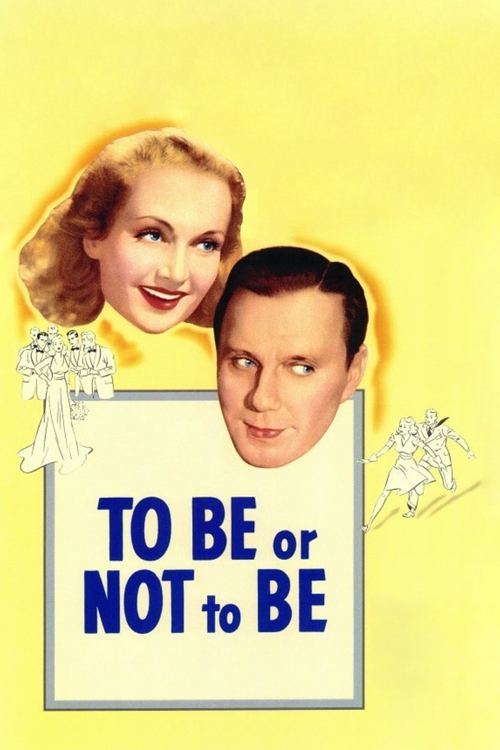
1942
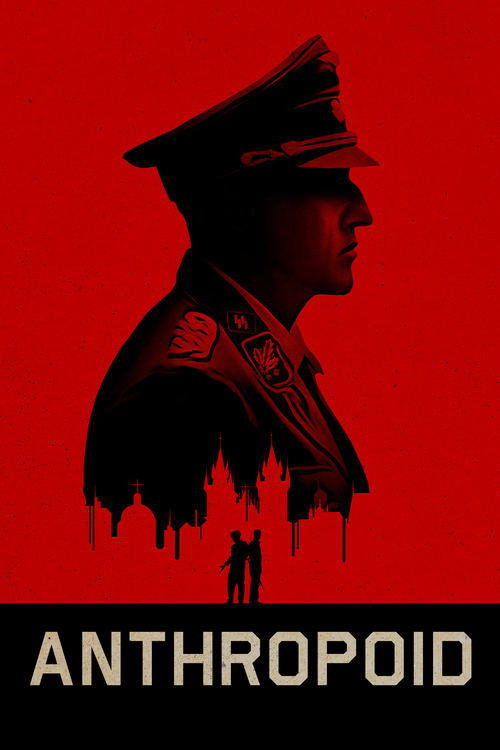
2016
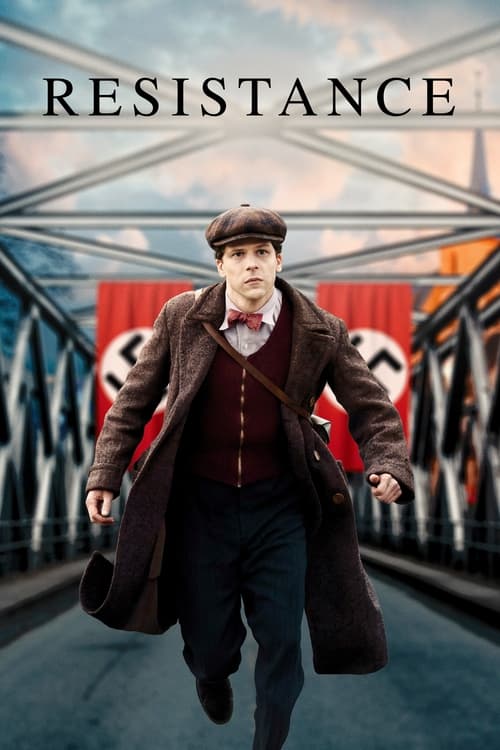
2020
No reviews yet. Be the first to share your thoughts on this movie!
Use the rating form above to leave a star rating and optional review.