The Act of Killing
2012
No user ratings available yet
Representation score: 2.8 out of 10
Representation Score
Fair
2014
PG-13Director
Joshua Oppenheimer
Runtime
100 minutes
Average Rating
No ratings yetNew Showbiz Analysis
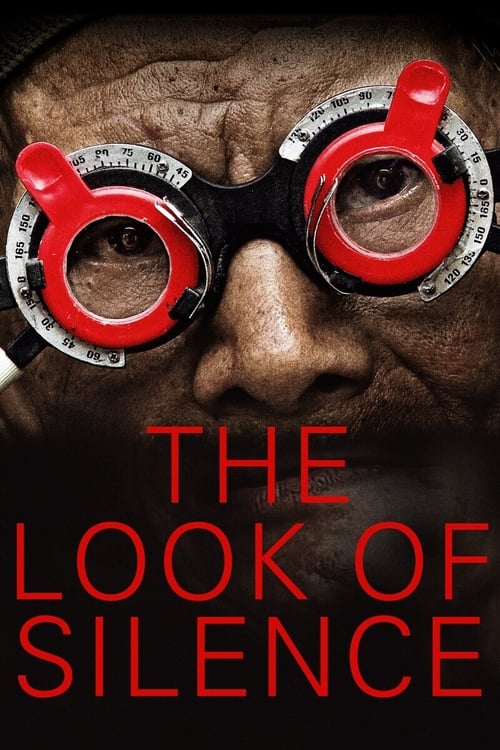
The Look of Silence is a sophisticated deconstruction of historical hegemony. It succeeds by prioritizing the subjective truths of the oppressed over the official records of the state, offering a complex study of trauma and impunity. The film's strength lies in its refusal to offer a simplistic moral resolution, instead examining how political affiliation is weaponized by systemic frameworks of violence. While it excels in cultural and racial representation, it remains limited by a narrative structure that focuses heavily on male protagonists and lacks LGBTQ+ or specific disability-focused content.
Category Breakdown
The film does not include any LGBTQ+ characters or themes. The plot revolves around the socio-political trauma of the 1965–66 period and the interactions between victims and perpetrators.
The story mainly focuses on male experiences of grief and confrontation. Women appear in domestic settings as witnesses to systemic violence but are not the primary agents of political inquiry.
This film provides a crucial, non-Western perspective on historical violence. By focusing on an Indonesian protagonist, it challenges Eurocentric dominance in documentary filmmaking and gives significant roles to Indonesian subjects.
The film offers a strong critique of state-sanctioned authority and traditional power structures. It deconstructs official history by highlighting the victims of a perceived communist purge and questions state-driven morality.
The film captures the psychological scars and invisible trauma of survivors. However, it does not feature neurodivergence or physical disabilities as primary narrative drivers.
Present on Screen
Limited or Absent
Official Synopsis
An Indonesian man with a communist background named Ramli was brutally murdered when the "Communist" purge occurred in 1965. His remaining family members lived in fear and silence until the making of this documentary. Adi, a brother of his, decided to revisit the horrific incident and visited the men who were responsible for the killings and one survivor of the purge. These meetings uncovered sadistic details of the murders and exposed raw emotions and reactions of the killers' family members about what happened in the past - much to Adi's disappointment.
2012
2019

2009

1985

2004
2008
2012
2011
No reviews yet. Be the first to share your thoughts on this movie!
Use the rating form above to leave a star rating and optional review.