Black Hawk Down
2001
No user ratings available yet
Representation score: 3.4 out of 10
Representation Score
Minimal
2002
RDirector
Randall Wallace
Runtime
138 minutes
Average Rating
No ratings yetNew Showbiz Analysis
We Were Soldiers is a traditionalist historical drama that prioritizes historical fidelity and heroic archetypes. The narrative structure reinforces established social and institutional hierarchies rather than challenging them. The film focuses heavily on themes of duty, traditional masculinity, and the brotherhood of the military unit. This results in a narrow perspective centered around a specific demographic and a conventional social structure. While the film captures the intensity of the Ia Drang Valley battle, it lacks depth in representing diverse identities and experiences. It treats various identities and traumas as plot devices to support a central, duty-bound ethos.
Category Breakdown
The film operates within a conventional framework that assumes everyone is straight or cisgender. It does not feature LGBTQ+ characters or explore non-straight-centered identities.
Narrative roles are divided between masculine combat and feminine domestic endurance. Female characters show emotional resilience but their roles are defined by their relationships to male protagonists.
The American military unit is depicted as a predominantly white, homogeneous group. Vietnamese characters are primarily depicted as adversaries or settings rather than individuals with complex identities.
The story celebrates traditional Western values like patriotism and military discipline. It avoids moral relativism, focusing instead on duty and the sanctity of the chain of command.
Physical injuries are used as narrative markers of the cost of war. These depictions serve the plot's intensity rather than exploring disability identity or neurodivergence.
Present on Screen
Limited or Absent
Official Synopsis
The year is 1965 and America is at war with North Vietnam. Commanding the air cavalry is Lt. Col. Hal Moore (Gibson), a born leader committed to his troops. His target: the Ia Drang Valley, called "The Valley of Death." As Moore prepares for one of the most violent battles in U.S. history, he delivers a stirring promise to his soldiers and their families: "I will leave no man behind...dead or alive. We will all come home together."
2001
1976
2005
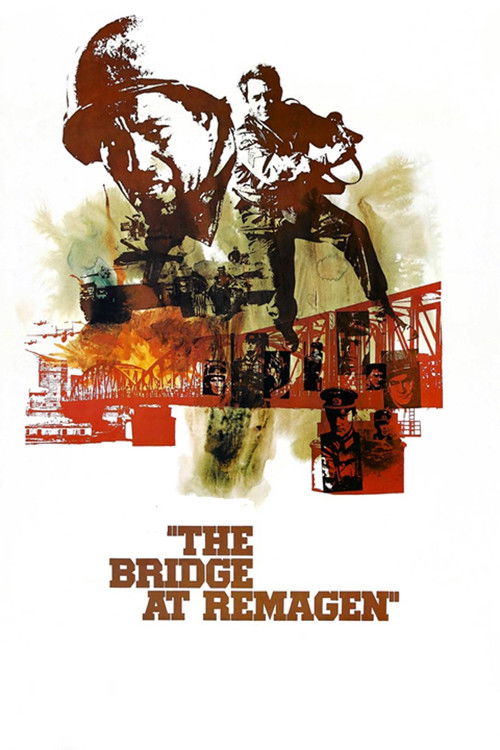
1969

2020
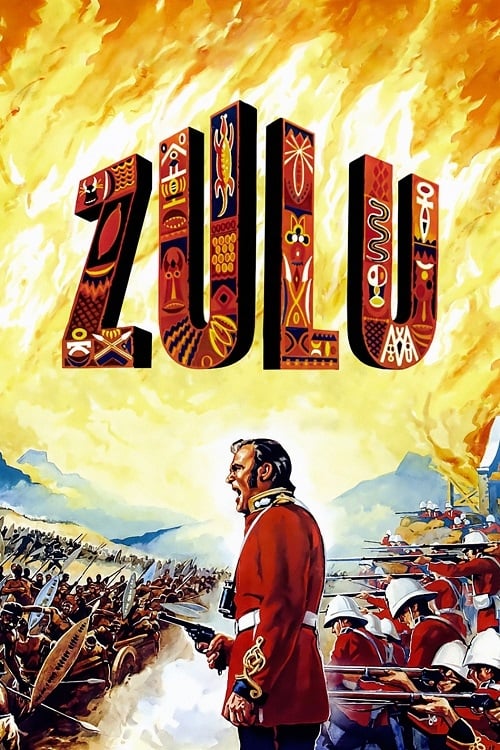
1964
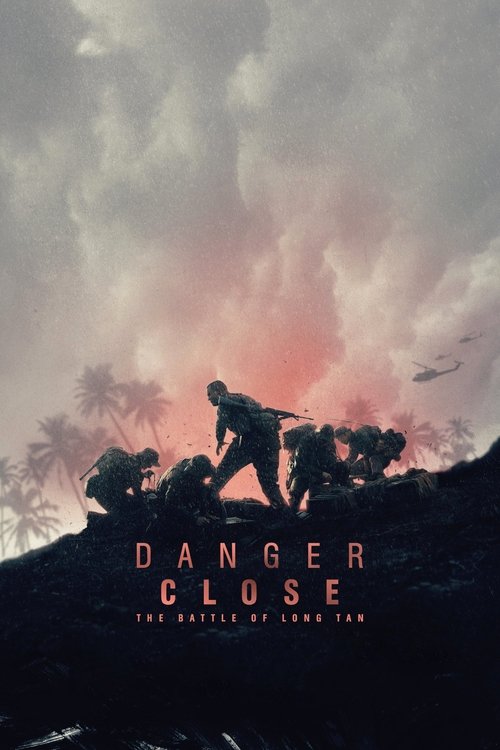
2019
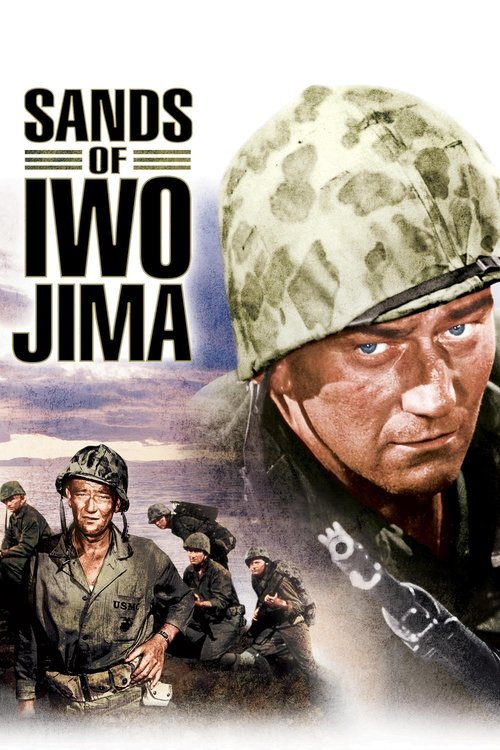
1950
No reviews yet. Be the first to share your thoughts on this movie!
Use the rating form above to leave a star rating and optional review.