New Showbiz

You are here:
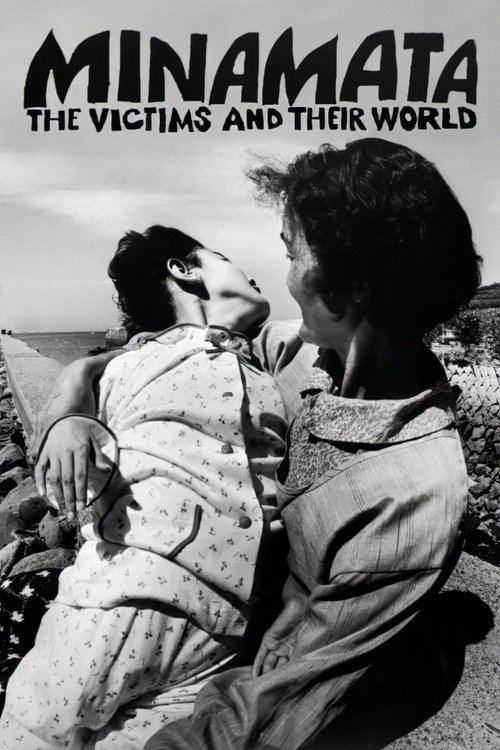
Minamata

Minamata

2020

R

Director

Andrew Levitas

Runtime

115 minutes

Average Rating

No ratings yet

Synopsis

War photographer W. Eugene Smith travels back to Japan where he documents the devastating effect of mercury poisoning in coastal communities.

Where to Watch

Diversity & Representation

Overall Score

6.7/10

Good


Category Breakdown

LGBTQ+ Representation

Minimal

The film lacks LGBTQ+ characters or non-heteronormative identity arcs. The narrative focuses exclusively on the historical documentation of mercury poisoning and communal survival.

Gender Representation

Fair

Japanese women serve as essential pillars of resilience and the community's emotional core. They move beyond submissive tropes, exercising significant agency as they navigate family and social devastation.

Racial & Ethnic Diversity

Excellent

The film centers a Japanese cast and avoids white savior tropes by granting victims primary agency. It examines the power dynamics between Western observers and localized, non-Anglo-Saxon populations.

Religious & Cultural Diversity

Excellent

The narrative offers a sophisticated critique of industrial capitalism and institutional negligence. It prioritizes the collective survival of a fishing community over corrupt corporate or state authority.

Disability Representation

Excellent

The film provides an unflinching look at neurological and physical disabilities caused by mercury poisoning. It treats these impairments with dignity rather than using them as mere plot devices.

Strengths

  • Strong portrayal of Japanese agency, avoiding white savior tropes.
  • Dignified and unflinching depiction of neurological and physical disabilities.
  • Sophisticated critique of industrial capitalism and corporate negligence.
  • Empowers female characters as essential pillars of community resilience.

Areas for Improvement

  • Complete absence of LGBTQ+ characters or non-heteronormative identity arcs.

AI Analysis

Minamata succeeds as a powerful social document that centers the agency of a non-Western community. By focusing on the Japanese victims' struggle against the Chisso Corporation, the film avoids common colonialist pitfalls and provides a profound look at the human cost of industrial negligence. The film's strength lies in its respectful depiction of disability and its critique of systemic corporate greed. It treats the physical toll of mercury poisoning with dignity, ensuring the victims are seen as active participants in their own struggle rather than passive subjects. However, the film's narrow focus on this specific historical tragedy results in a lack of LGBTQ+ representation. While the film excels in racial and disability-focused narratives, this absence limits its overall demographic breadth.

How are these scores produced? →

Featured in

  • Best Racial & Ethnic Representation in Film
  • Racial & Ethnic Representation in Drama
  • Best Racial & Ethnic Representation of the 2020s
  • Best Disability Representation in Film
  • Disability Representation in Drama
  • Best Religious & Cultural Representation in Film
  • Religious & Cultural Representation in Drama
  • Religious & Cultural Representation in Historical Film

Similar Movies

Movie poster for The Railway Man

The Railway Man

2013

No user ratings available yet
Diversity score: 5.8 out of 10

Rate this Movie

No rating selected
Use arrow keys to select a rating from 1 to 5 stars
Optional text review, maximum 2000 characters
Tip: Wrap spoilers with ||double pipes|| to hide them
0/2000 characters
You must be signed in to submit a rating

Reviews

No reviews yet. Be the first to share your thoughts on this movie!

Use the rating form above to leave a star rating and optional review.