
Safety
2020
No user ratings available yet
Representation score: 7.8 out of 10
Representation Score
Fair
2019
TV-PGDirector
Chiwetel Ejiofor
Runtime
113 minutes
Average Rating
No ratings yetNew Showbiz Analysis
The film is a powerful example of authentic storytelling, successfully avoiding the typical Western-centric approach. By featuring an all-Black, Malawian cast, it provides a rare and dignified portrayal of life in the Global South. However, the film operates within the confines of its historical context. Traditional patriarchal hierarchies and the absence of LGBTQ+ representation limit its exploration of gender and identity diversity. Ultimately, the film's strength lies in its intellectual depth. It uses a post-colonial lens to challenge Western institutions and highlight the ingenuity required to overcome systemic neglect.
Category Breakdown
The film does not include any LGBTQ+ characters or narratives. The story centers on the survival of the traditional family unit within its historical context.
The narrative follows traditional patriarchal structures where male figures hold primary authority. Women demonstrate resilience during the famine but do not have the power to drive the main plot.
The film features an all-Black, Malawian cast, achieving exceptional representation. It avoids the Western perspective by focusing on a Black protagonist in a realistic rural setting.
The story offers a sophisticated critique of systemic failures and post-colonial corruption. It highlights how global economic structures and political neglect exacerbate local vulnerabilities.
No specific characters are defined by physical or neurodivergent disabilities. Instead, the film examines the collective struggle of a community affected by famine and environmental disaster.
Present on Screen
Limited or Absent
Official Synopsis
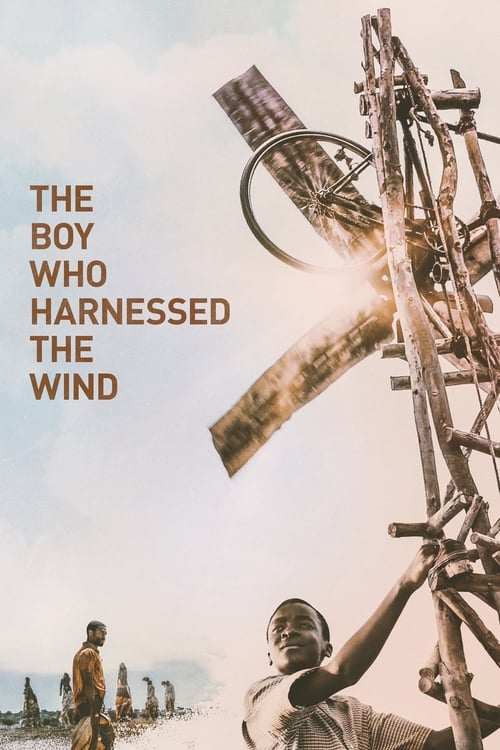
Against all the odds, a thirteen year old boy in Malawi invents an unconventional way to save his family and village from famine.
2020
2010

2013

2016

2013
2017
2015

2000
No reviews yet. Be the first to share your thoughts on this movie!
Use the rating form above to leave a star rating and optional review.