
Stonewall
2015
No user ratings available yet
Representation score: 9.8 out of 10
Representation Score
Excellent
2008
RDirector
Gus Van Sant
Runtime
128 minutes
Average Rating
No ratings yetNew Showbiz Analysis
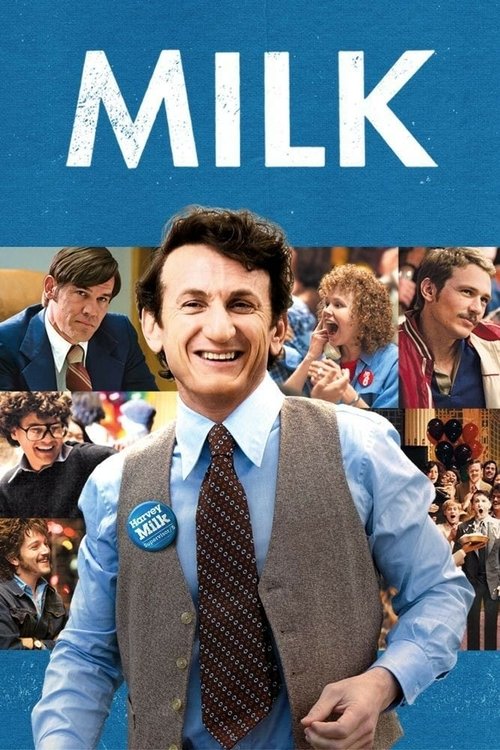
Gus Van Sant creates a compelling look at identity politics and systemic change. By focusing on the mobilization of the LGBTQ+ community, the film demonstrates how underrepresented groups can influence democratic processes. The narrative effectively captures the multi-layered nature of civil rights struggles within a multicultural city. It frames the dismantling of traditional social norms as essential for progress. Despite its heavy focus on male-centric political environments, the film challenges conventional masculinity through emotional intelligence. It remains a crucial examination of how identity-based organizing can address entrenched social inequalities.
Category Breakdown
The film highlights LGBTQ+ identity by placing it at the center of political discussions. It shows how the LGBTQ+ community drives change through organizing and activism.
The story focuses on male-dominated political environments and personal relationships. However, it challenges traditional masculinity by emphasizing emotional vulnerability and community organizing based on shared identity.
Set in 1970s San Francisco, the film captures an urban landscape where diverse communities come together. It portrays the coalition-building between the LGBTQ+ community and other underrepresented groups.
The film critiques traditional Western institutions and conservative structures. It presents them as barriers to human rights and equality, highlighting their role in systemic oppression.
The film does not focus on physical disabilities but instead examines the psychological impact of living under intense social hostility. It explores the mental health consequences of facing relentless social prejudice.
Present on Screen
Limited or Absent
Official Synopsis
The true story of Harvey Milk, the first openly gay man ever elected to public office. In San Francisco in the late 1970s, Harvey Milk becomes an activist for gay rights and inspires others to join him in his fight for equal rights that should be available to all Americans.
2015
1984
2013
1997
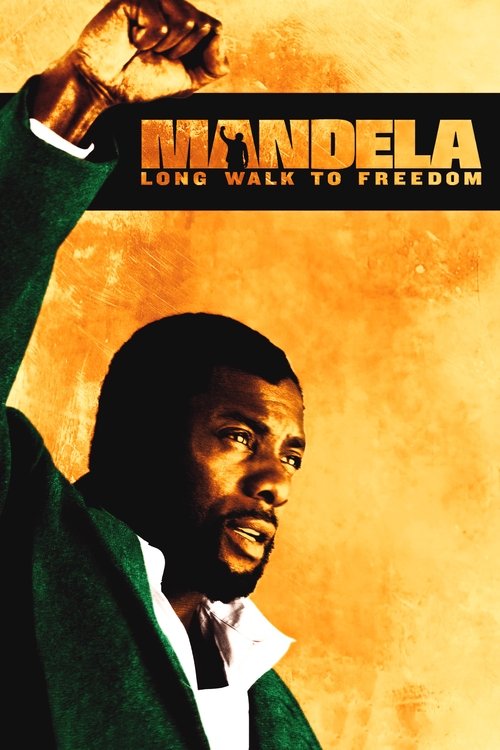
2013
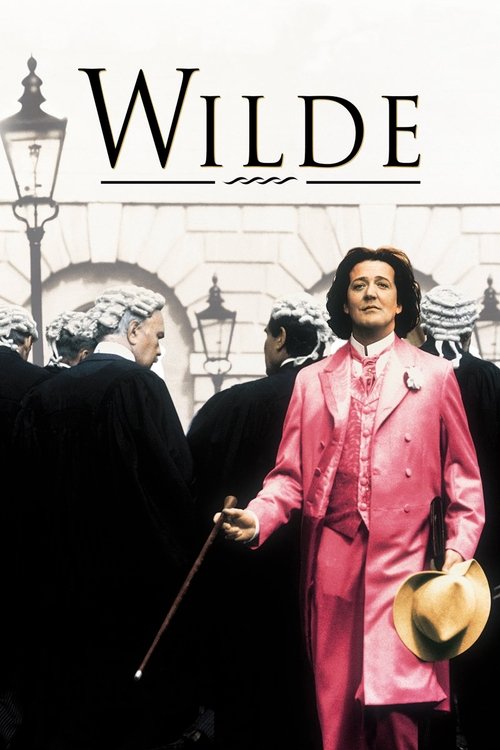
1997
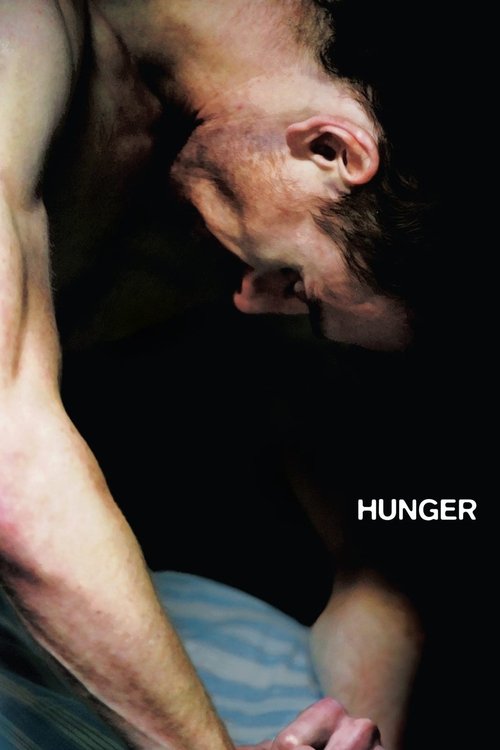
2008

2000
No reviews yet. Be the first to share your thoughts on this movie!
Use the rating form above to leave a star rating and optional review.