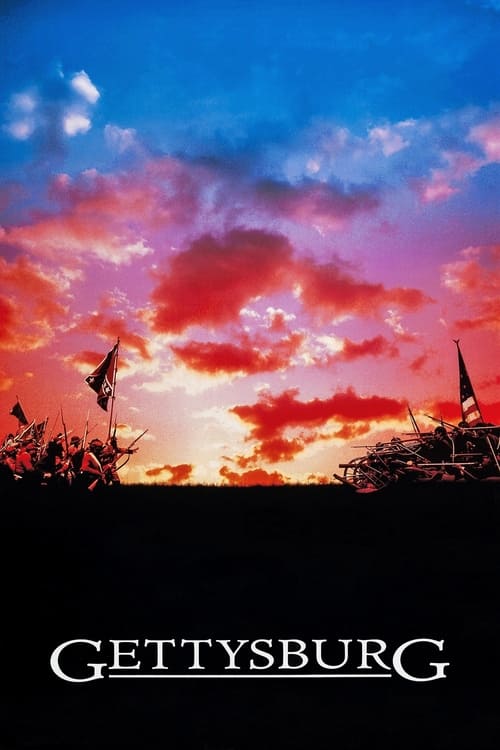
Gettysburg
1993
No user ratings available yet
Representation score: 0.8 out of 10
Representation Score
Minimal
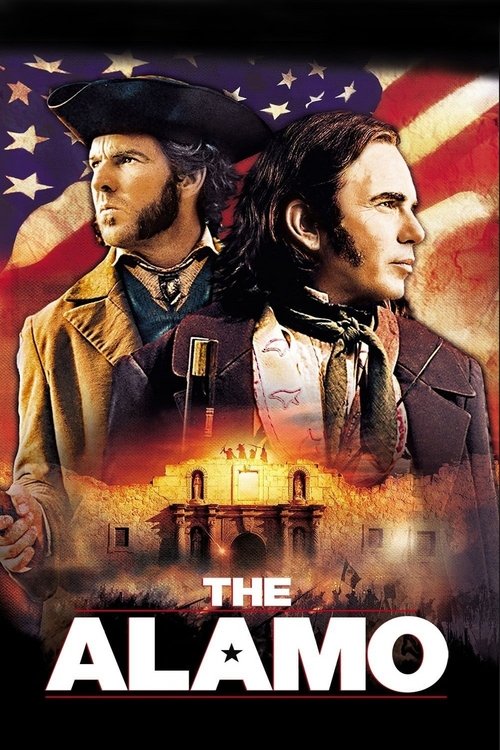
2004
PG-13Director
John Lee Hancock
Runtime
137 minutes
Average Rating
No ratings yetNew Showbiz Analysis
The film presents a traditional historical epic that upholds established hierarchies. It emphasizes classic themes of heroism and national sovereignty, adhering to conventional Western storytelling. Representation leans heavily towards a white, masculine demographic, centering on Anglo-Saxon protagonists and male-led military actions. While Tejano individuals are present, their roles are limited, and the narrative focuses on the conflict between defenders and invaders.
Category Breakdown
The film does not include any identifiable LGBTQ+ characters. Social interactions follow the strict norms of mid-19th-century society.
The story focuses almost entirely on male military leaders and fighters. Women play minor roles as emotional support for the men.
The main characters and plot revolve around white Anglo-Saxon individuals. Although there are Tejano characters, the story centers on the struggles of Texan settlers.
The film highlights patriotism and military honor within a traditional context. It celebrates the foundational myths of Texan independence without questioning these narratives.
There are no significant depictions of disabilities. The emphasis is on the physical strength and combat skills of the defenders.
Present on Screen
Limited or Absent
Official Synopsis
Based on the 1836 standoff between a group of Texan and Tejano men, led by Davy Crockett and Jim Bowie, and Mexican dictator Santa Anna's forces at the Alamo in San Antonio, Texas.
1993
1964
2003
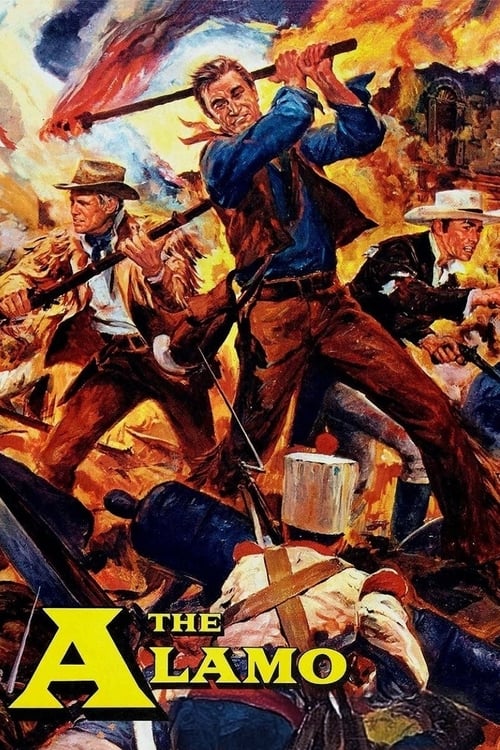
1960
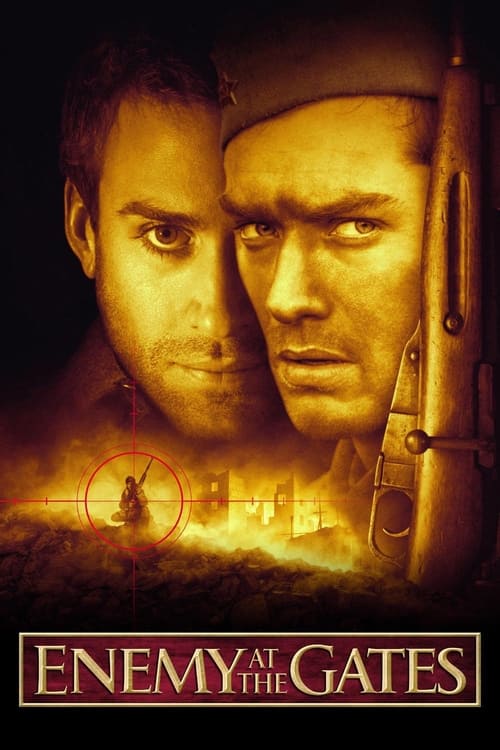
2001
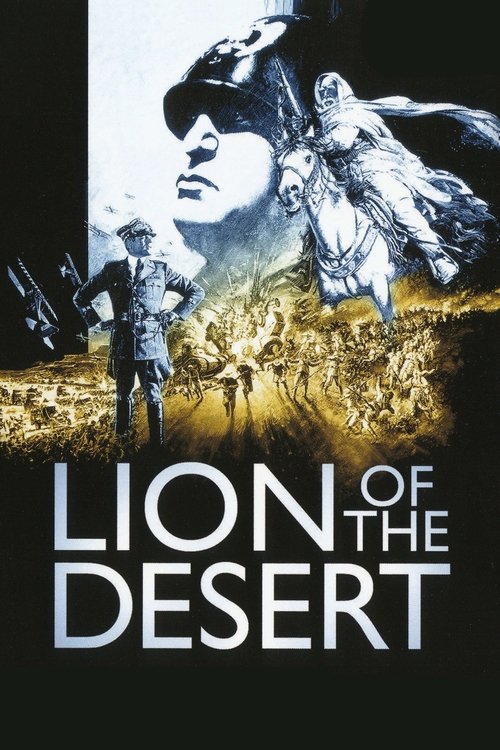
1981
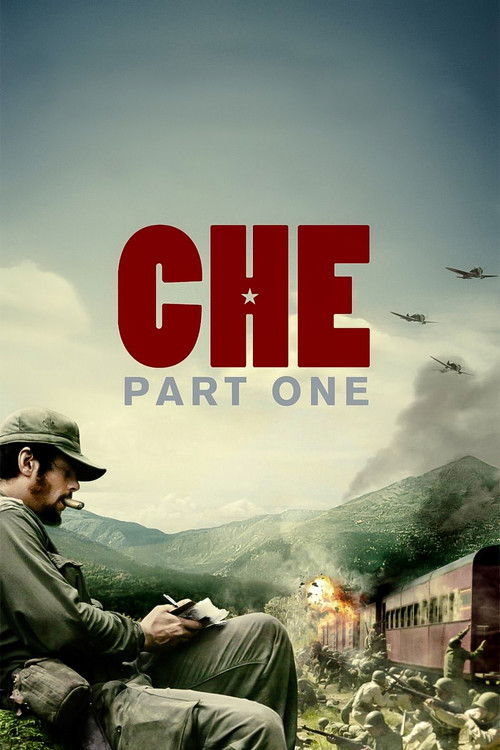
2008
1980
No reviews yet. Be the first to share your thoughts on this movie!
Use the rating form above to leave a star rating and optional review.