
Judas and the Black Messiah
2021
No user ratings available yet
Representation score: 7.0 out of 10
Representation Score
Fair
2020
RDirector
Aaron Sorkin
Runtime
130 minutes
Average Rating
No ratings yetNew Showbiz Analysis
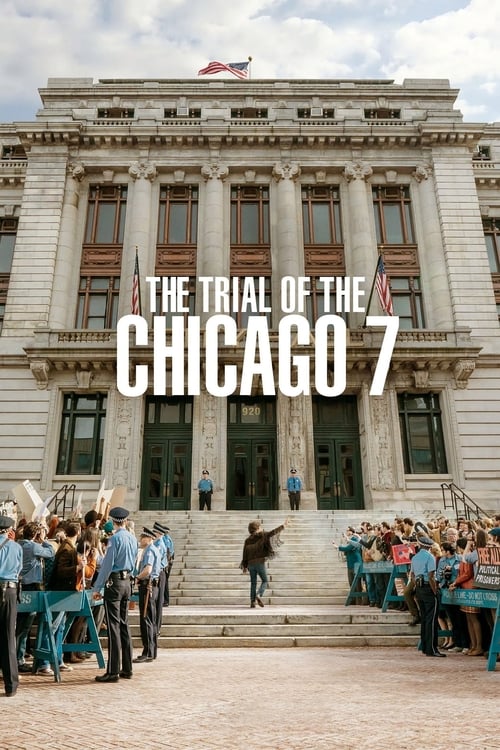
Aaron Sorkin’s drama is a powerful exploration of systemic critique, focusing on the intersection of race and political dissent. By highlighting the legal targeting of Black activists like Bobby Seale, the film effectively challenges the perceived stability of Western legal traditions. However, the film remains anchored in a traditional social hierarchy, focusing on male protagonists and legal maneuvering, which limits the representation of diverse gendered roles and queer perspectives. The social landscape feels somewhat narrow as a result. Ultimately, the film’s strength lies in its anti-establishment stance, effectively deconstructing institutional power, even if it does so primarily through a predominantly male lens.
Category Breakdown
The film primarily focuses on the political and legal strategies of a male-dominated movement, lacking prominent LGBTQ+ characters or narratives that challenge the assumption that everyone is straight or cisgender.
The narrative follows a traditional, male-centric structure where women play supporting roles rather than being central to driving the story.
The film effectively showcases racial tensions and systemic inequities. Including Bobby Seale highlights how judicial systems can be used against underrepresented groups.
The story offers a strong critique of Western institutions, portraying the judicial system and law enforcement as tools of state suppression rather than neutral arbiters.
There are no prominent depictions of visible or invisible disabilities that significantly influence the narrative or serve as central character arcs.
Present on Screen
Limited or Absent
Official Synopsis
What was supposed to be a peaceful protest turned into a violent clash with the police. What followed was one of the most notorious trials in history.
2021
1990
2002

2018

2019
1980

2005

2017
No reviews yet. Be the first to share your thoughts on this movie!
Use the rating form above to leave a star rating and optional review.