The Long Walk Home
1990
No user ratings available yet
Representation score: 4.7 out of 10
Representation Score
Fair
2014
PG-13Director
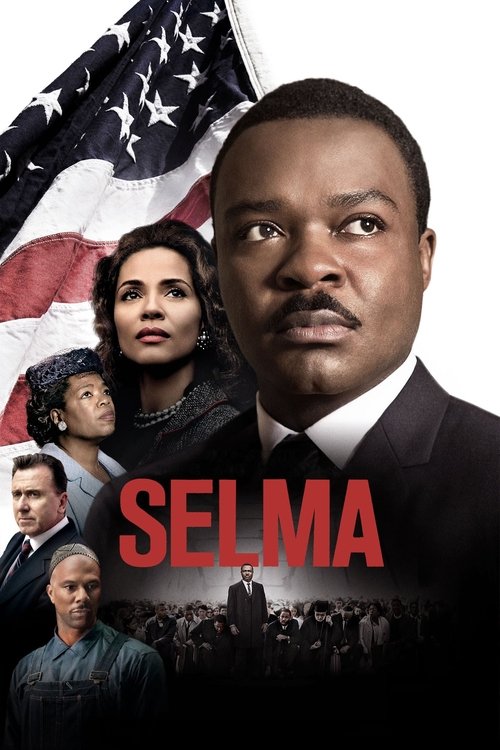
Ava DuVernay
Runtime
128 minutes
Average Rating
No ratings yetNew Showbiz Analysis
Ava DuVernay’s *Selma* is a masterclass in historical reclamation. By centering Black ability to act and rejecting the 'white savior' cliché, the film disrupts traditional cinematic approaches to racial justice. The casting and narrative structure ensure that the architects of the Voting Rights Act are the undisputed protagonists. The film also provides a nuanced look at systemic oppression, moving beyond simple hero-versus-villain dynamics to critique the institutional frameworks that enabled Jim Crow laws. This elevates the story from a mere biography to a profound study of political struggle. While the film lacks specific LGBTQ+ representation and disability-focused arcs, these absences reflect the historical period's constraints.
Category Breakdown
The film focuses on the historical realities of the 1965 Civil Rights Movement and does not include specific LGBTQ+ characters or non-straight relationships.
The film highlights the significant roles played by women such as Coretta Scott King and local female organizers, who are shown as essential strategic pillars.
The film centers the Black experience through an all-Black ensemble and avoids the 'white savior' cliché by making Black citizens the primary drivers of the plot.
The film critiques Western institutional power by portraying state authorities as part of a systemic, oppressive framework rather than just individual antagonists.
The film depicts physical trauma from state-sanctioned violence but does not focus on characters with neurodivergence or chronic illness. These injuries are consequences of oppression.
Present on Screen
Limited or Absent
Official Synopsis
"Selma," as in Alabama, the place where segregation in the South was at its worst, leading to a march that ended in violence, forcing a famous statement by President Lyndon B. Johnson that ultimately led to the signing of the Voting Rights Act.
1990

2017

2019

1996
2021

2011

2022

2018
No reviews yet. Be the first to share your thoughts on this movie!
Use the rating form above to leave a star rating and optional review.