Miles Ahead
2016
No user ratings available yet
Representation score: 8.3 out of 10
Representation Score
Fair
2008
RDirector
Darnell Martin
Runtime
109 minutes
Average Rating
No ratings yetNew Showbiz Analysis
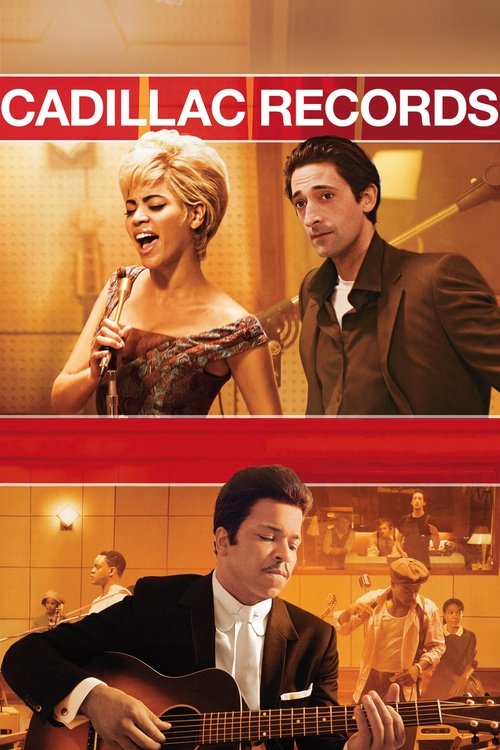
Cadillac Records provides a powerful look at the lives of Black artists during the mid-20th century, focusing on the exploitation within the music industry. By highlighting the experiences of figures like Muddy Waters and Etta James, the film challenges the dominant narrative and prioritizes Black ability to act. The film's strength lies in its nuanced portrayal of identity, particularly in how it frames the personal volatility of its characters as a response to socioeconomic pressures. It effectively critiques the commodification of culture and the predatory nature of capitalist structures. However, the film lacks LGBTQ+ representation and occasionally leans into the 'tortured artist' cliché when depicting mental health and addiction.
Category Breakdown
The film does not include any LGBTQ+ characters or non-assuming gender matches what was assigned at birth identities. It focuses solely on heterosexual relationships and professional dynamics.
Etta James is portrayed as a strong and independent woman who drives the narrative forward. Her character highlights her emotional and professional autonomy within a patriarchal industry.
The film centers Black identity and history through the rise of Chess Records. It emphasizes the ability to act of Black individuals and critiques the exploitative nature of racial power dynamics.
The narrative examines how the music industry commodifies Black culture for profit. It delves into the tension between institutional authority and individual liberation.
The film addresses the psychological impact of addiction and mental health struggles among musicians. These elements are woven into the character arcs, highlighting the personal toll of such conditions.
Present on Screen
Limited or Absent
Official Synopsis
The story of sex, violence, race and rock and roll in 1950s Chicago, and the exciting but turbulent lives of some of America's musical legends, including Muddy Waters, Leonard Chess, Little Walter, Howlin' Wolf, Etta James and Chuck Berry.
2016
2015
1991
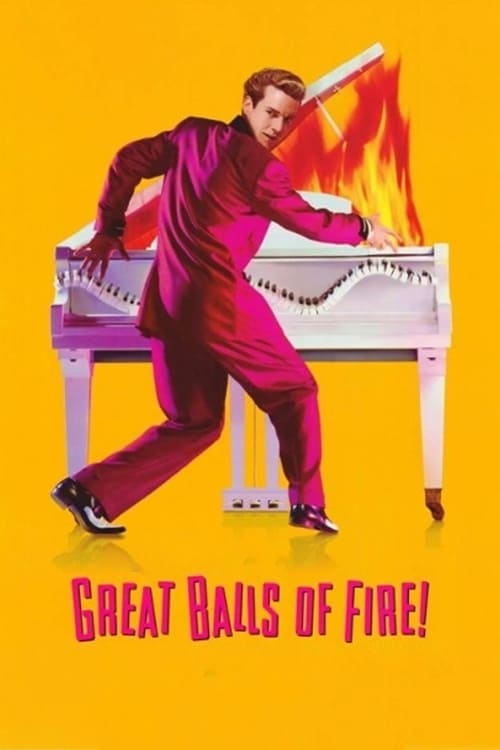
1989
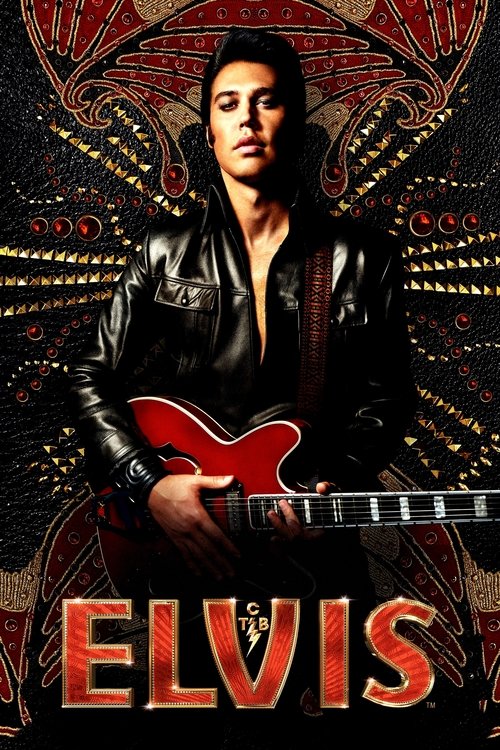
2022
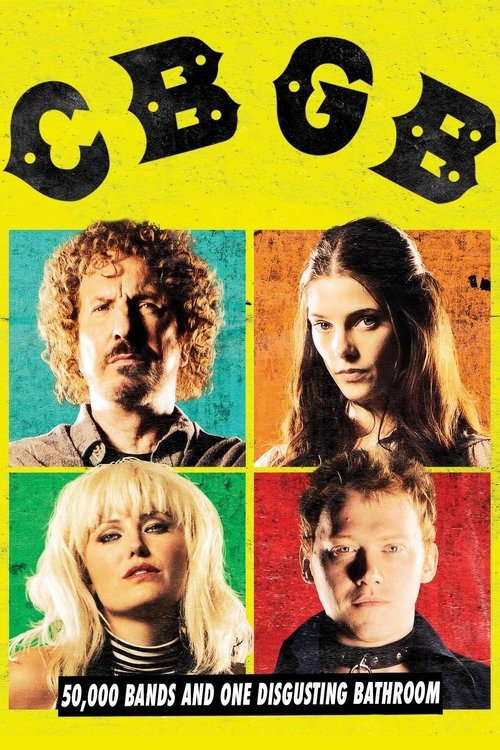
2013
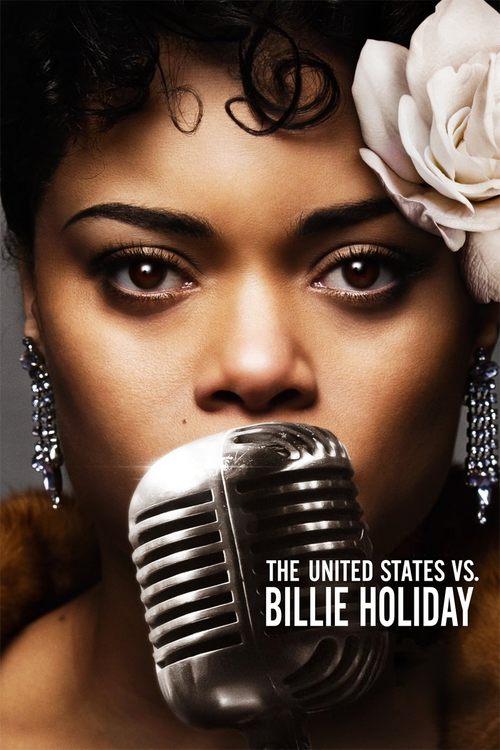
2021
1981
No reviews yet. Be the first to share your thoughts on this movie!
Use the rating form above to leave a star rating and optional review.