The Way Back
2010
No user ratings available yet
Representation score: 4.6 out of 10
Representation Score
Fair
2002
PGDirector
Phillip Noyce
Runtime
94 minutes
Average Rating
No ratings yetNew Showbiz Analysis
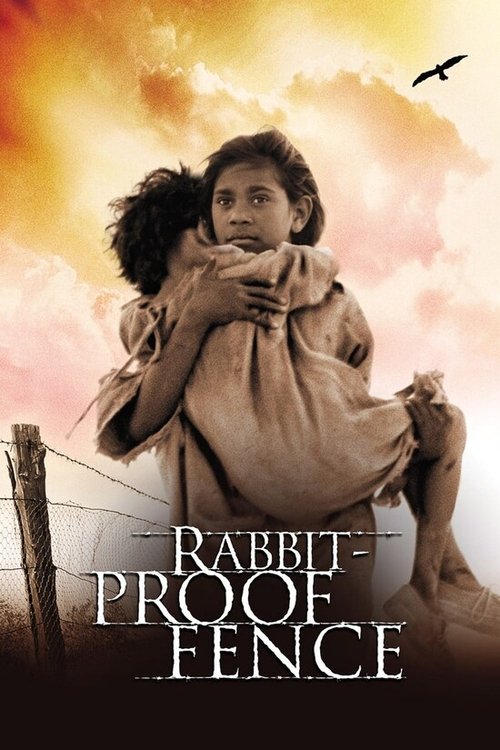
Rabbit-Proof Fence deconstructs colonial dominance by focusing on the experiences of three Aboriginal girls. It replaces settler-colonial myths with a harsh depiction of state-enforced displacement and systemic oppression. The film highlights racial and cultural identity, making Indigenous sovereignty the central issue. It overturns traditional gender roles by emphasizing female strength and strategic thinking as key drivers of the plot. Though it lacks LGBTQ+ representation and specific disability-focused stories, Rabbit-Proof Fence provides a powerful critique of post-colonial themes and highlights the resilience of underrepresented individuals.
Category Breakdown
The film does not include any LGBTQ+ characters or themes. The story focuses solely on the survival of the protagonists and their family ties.
Women play a crucial role in driving the story. Female characters, particularly Molly, show strategic thinking and physical strength, avoiding stereotypes of weakness.
This film centers around a non-Anglo-Saxon cast and offers a post-colonial critique. It uses the protagonists' racial identity to challenge historical assimilation policies in Australia.
The film criticizes Western institutions and the legal system. It portrays government authorities as tools of oppression rather than protectors of Indigenous rights.
The narrative does not focus on specific disabilities. Characters face physical hardships, but disability is not a main plot point.
Present on Screen
Limited or Absent
Official Synopsis
In 1931, three Aboriginal girls escape after being plucked from their homes to be trained as domestic staff, and set off on a trek across the Outback.
2010
1959
2013
1962

1997
1990

2016

1975
No reviews yet. Be the first to share your thoughts on this movie!
Use the rating form above to leave a star rating and optional review.