
The Devils
1971
No user ratings available yet
Representation score: 7.9 out of 10
Representation Score
Fair
2006
RDirector
Miloš Forman
Runtime
114 minutes
Average Rating
No ratings yetNew Showbiz Analysis
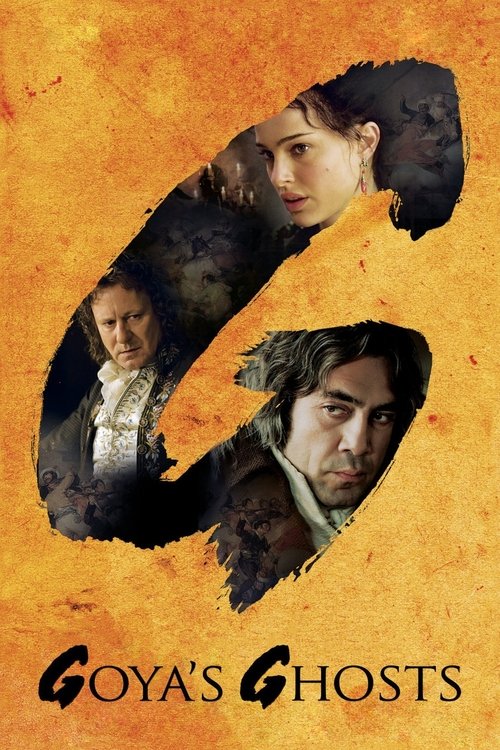
Goya's Ghosts is a sophisticated critique of power that prioritizes the deconstruction of corrupt institutions over broad demographic representation. It succeeds by exposing the Church and State as sources of systemic oppression rather than stability. The film's strength lies in its refusal to idealize historical Western institutions. By focusing on the conflict between individuals and the state, it offers a critical perspective on how religious dominance can become oppressive. However, the film is limited by its historical setting, which results in a lack of contemporary LGBTQ+ and racial diversity. It remains a period piece reflecting the homogeneity of its era.
Category Breakdown
The film does not include any LGBTQ+ characters or non-binary identities. It focuses solely on the heterosexual social structures of 18th-century Spain.
The story centers on the mistreatment of women under patriarchal rule. It challenges traditional stereotypes by depicting male leadership as morally corrupt and psychologically unstable.
The cast reflects the demographic uniformity of late 18th-century Spain. While it lacks multi-ethnic representation, it highlights the socioeconomic divisions of the time.
The film critically examines the Spanish Inquisition and the Catholic Church. It portrays these institutions as oppressive and predatory rather than moral guides.
There are no specific depictions of visible or invisible disabilities. While the film explores psychological trauma, disability is not a central theme.
Present on Screen
Limited or Absent
Official Synopsis
Painter Francisco Goya becomes involved with the Spanish Inquisition after his muse, Inés, is arrested by the church for heresy. Her family turns to him, hoping that his connection with fanatical Inquisitor Lorenzo, whom he is painting, can secure her release.
1971
1986
1996

1937

2006

1953
2003
1965
No reviews yet. Be the first to share your thoughts on this movie!
Use the rating form above to leave a star rating and optional review.