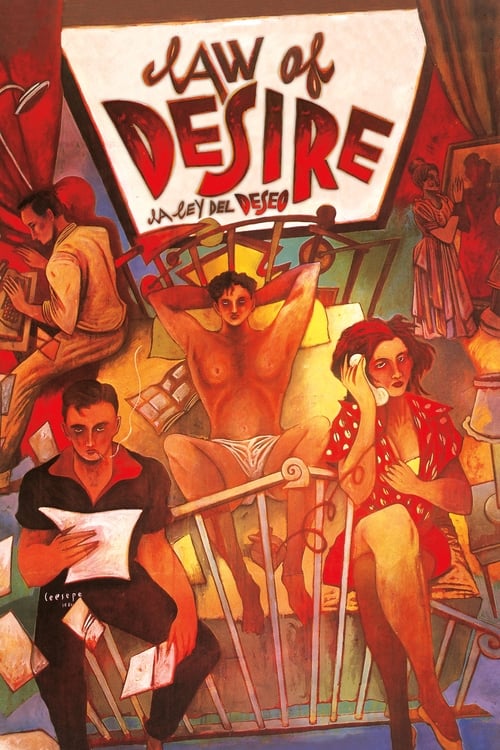
Law of Desire
1987
NC-17No user ratings available yet
Representation score: 9.8 out of 10
These lists use approved LGBTQ+ representation scores for 1980s films that have written notes. Highest-scoring films are those whose notes describe more on-screen LGBTQ+ representation. Lowest-scoring films are those whose notes describe little or none. Neither list is a quality ranking.
The film focuses on queer identity and male-to-male desire as key themes. It also provides a nuanced look at gender identity through the character Tina, who is transgender, avoiding superficial representation.
The film centers on a non-straight protagonist, exploring the psychological impact of hiding one's sexuality and the complexities of same-sex relationships during a restrictive time period.
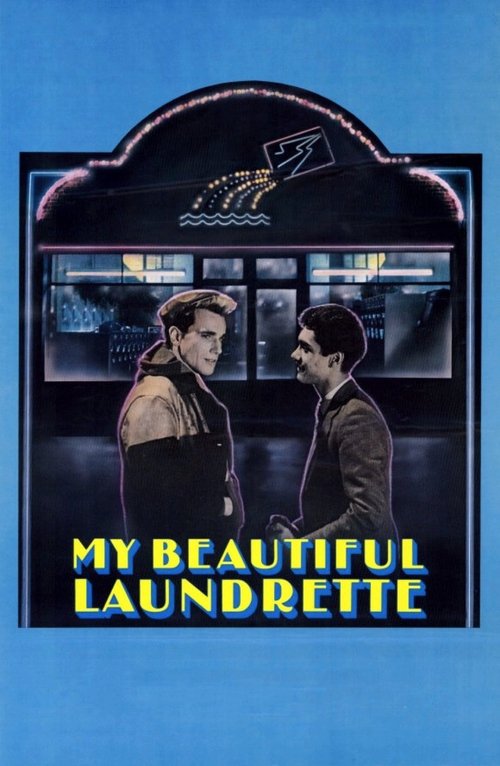
The film centers its narrative on a romantic relationship between Omar and Stephen, who are both part of the LGBTQ+ community. This relationship is a key driver of the plot, challenging the assumption that everyone is straight or cisgender.
Molina's queer identity is central to the story, and the film explores same-sex intimacy through cinematic fantasies. Molina's imprisonment highlights the consequences of his identity on a state level.
The film focuses on a transgender woman named Lisa, making her identity central to the romantic storyline. This portrayal challenges traditional assumptions about gender by exploring Lisa's experiences through a mainstream lens.
The film disrupts the assumption that everyone is straight or cisgender through the central bond between Celie and Shug Avery. This intimate relationship serves as a vital catalyst for the protagonist's personal liberation.
The film focuses on repressed desire and homoerotic tension within a strict military environment. It delves into psychological intimacy between Jack Celliers and Japanese officers, challenging traditional masculine roles.
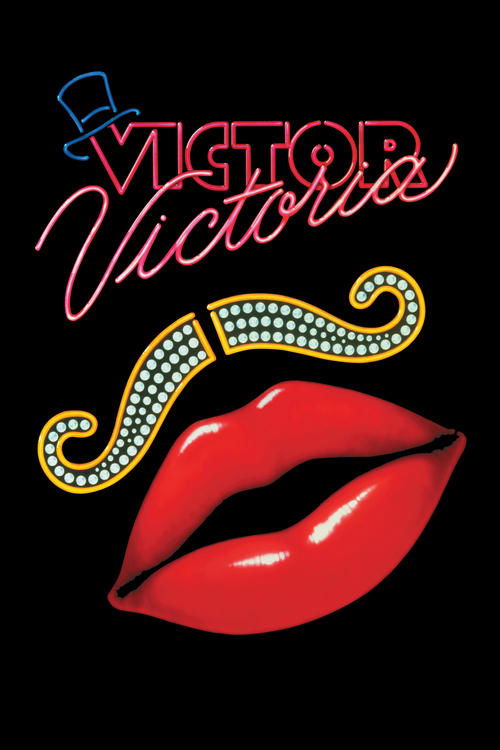
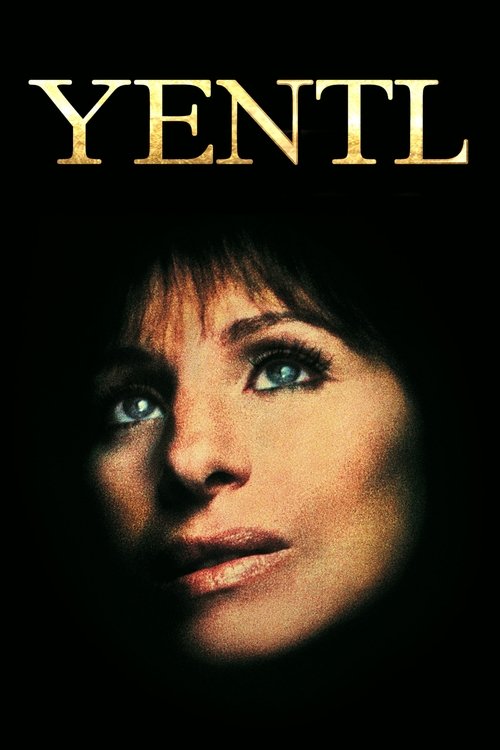
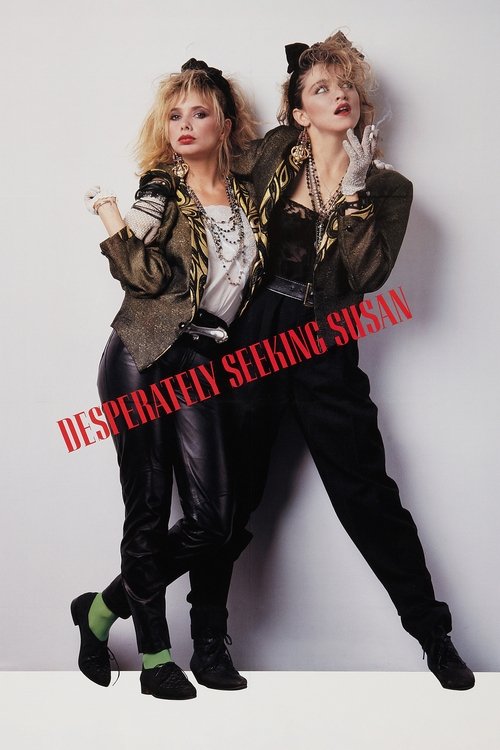
The film centers on a female protagonist who adopts a male persona, challenging traditional gender roles. This portrayal highlights the performative nature of identity and attraction.
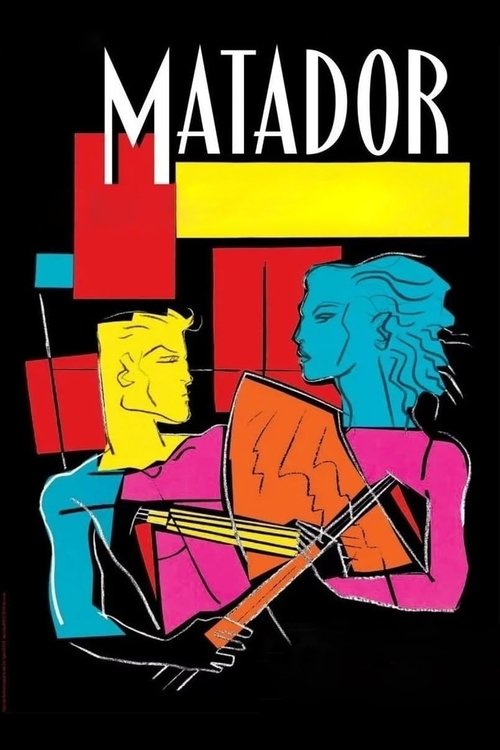
The film incorporates various sexual orientations beyond traditional norms into its core psychological themes. Instead of treating LGBTQ+ identities as side stories, it focuses on desires that don't fit typical frameworks.
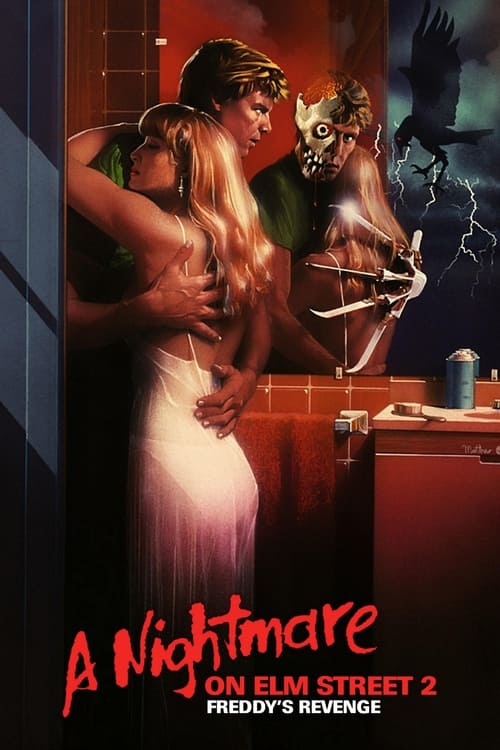
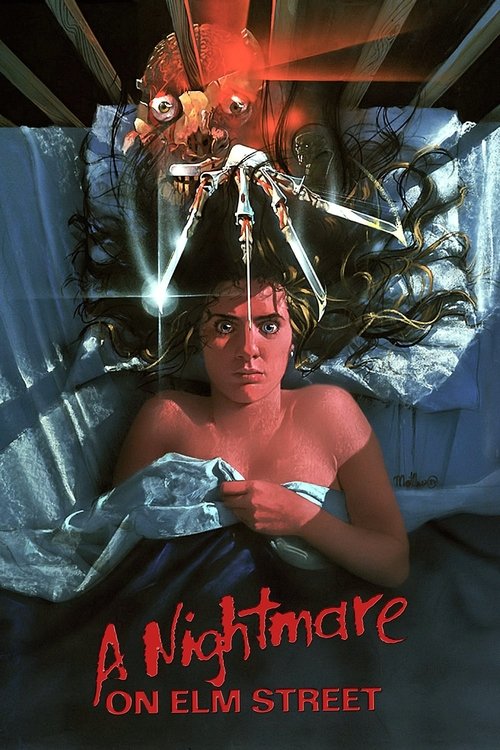
The film uses Freddy's possession of Jesse to create a powerful metaphor for the intrusive nature of emerging non-straight desires and the fight for personal freedom.
Queer identities are woven naturally into the social fabric, challenging traditional cinematic binaries of gender and desire. The film integrates these identities without treating them as secondary.

1982
PGThe film presents Billy Kwan as a character whose identity transcends the traditional gender binary. This portrayal avoids stereotypes and focuses on a complex, emotionally rich relationship.
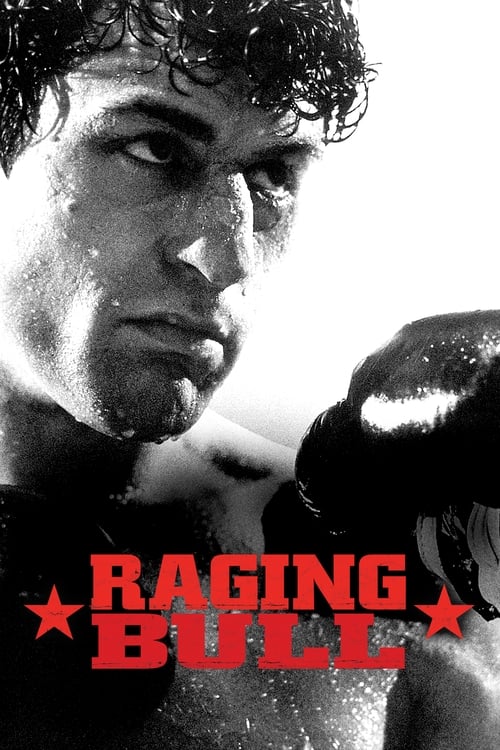
The film challenges traditional views of sexuality through intense, non-traditional physical intimacy. The hyper-stylized homoerotic tension and male-centric physical obsession suggest a fluid understanding of identity.
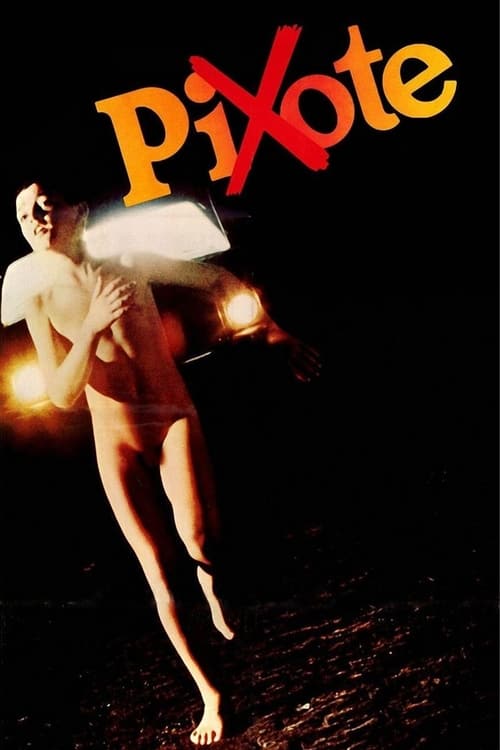
Lilica, a 17-year-old transgender hustler, adds layers of complexity to the story. Her presence challenges the hyper-masculine environment and helps the group escape.
The film explores gender non-conformity through a protagonist who adopts a male persona to navigate social restrictions. This performance of identity creates a complex romantic tension that challenges traditional assumptions about gender.
Bob, the protagonist, is openly bisexual and his identity helps create a non-traditional relationship that challenges traditional expectations and the idea of strict monogamy.
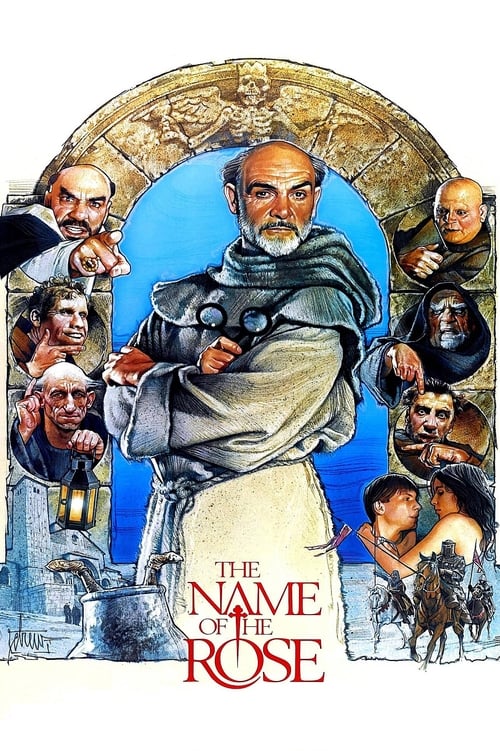
The film uses hints of same-sex attraction as a key part of its mystery. These feelings fuel tension and conflicts within the monastery.
The film includes a cross-dressing character who is an integral part of the chaotic plot rather than just a joke.
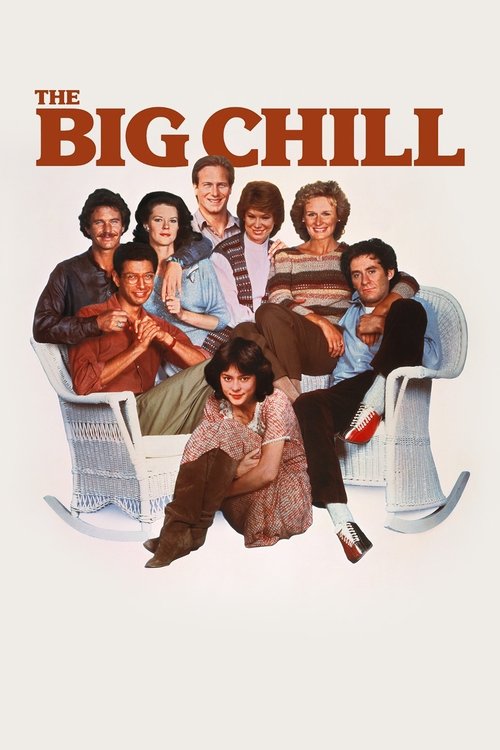
Kevin is integrated into the social group without being singled out. His identity is presented naturally, contributing to the overall dynamics of the film.
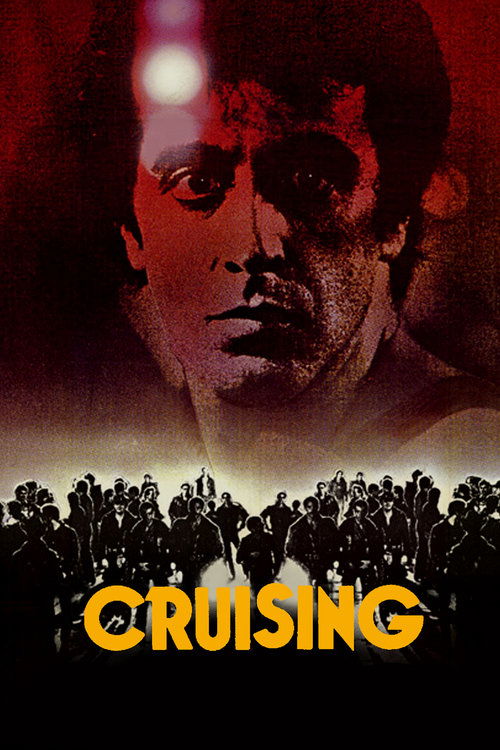
The film focuses on the leather and S&M underground of late-70s New York. It offers a detailed look at non-traditional sexual practices and queer spaces.
Uncle Monty stands out with his flamboyant personality, diverging from typical social norms of the time. The close relationship between the main characters can be interpreted as having queer undertones, though these identities are not treated as jokes.
The film is set in the nightlife culture of the 1980s East Village, which celebrates diverse sexual identities and non-traditional social connections.
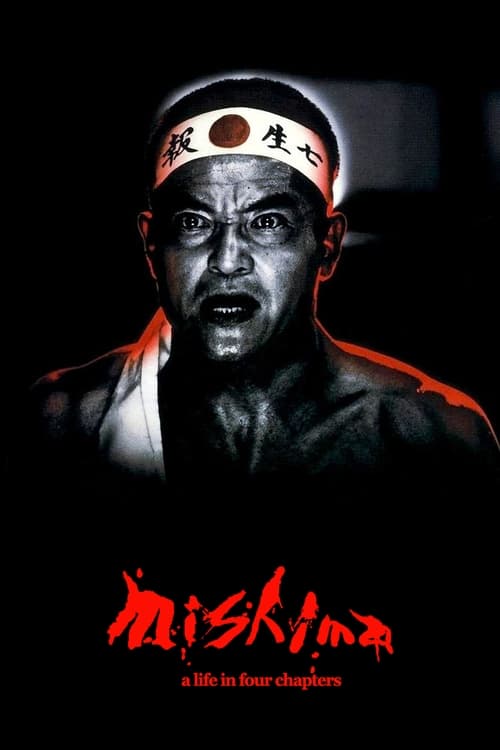
The film explores queer aesthetics through its focus on the male form and subtle homoerotic themes. It uses stylized reenactments to examine desires that go beyond traditional heterosexual norms and the tension between intellectual and physical masculinity.
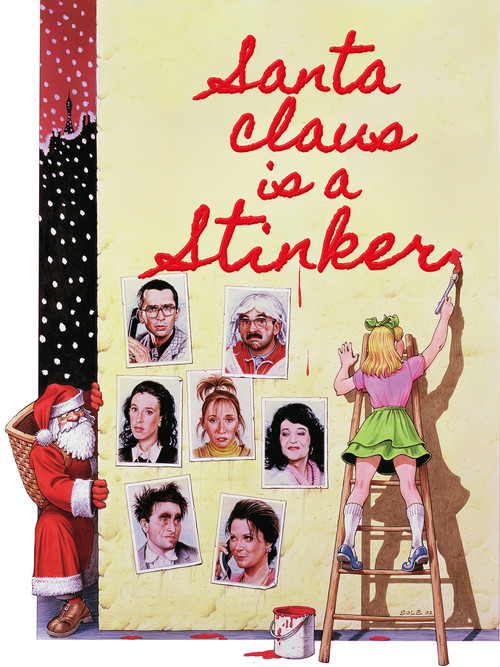
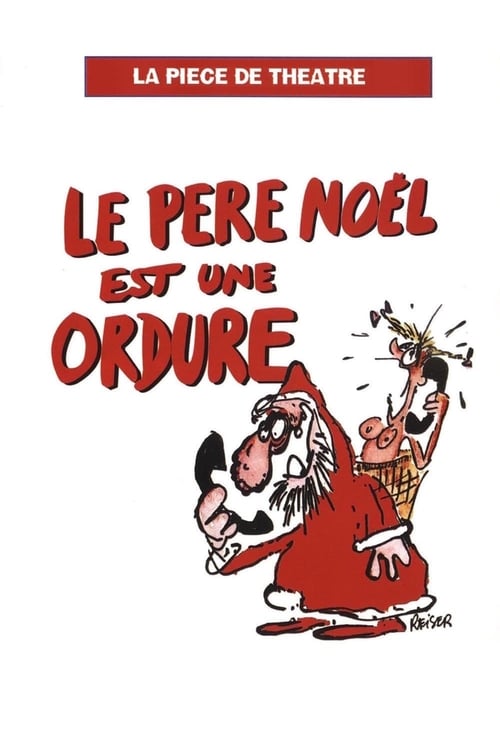
The film centers a transvestite character within the main chaotic event, disrupting traditional holiday narratives. This identity is integrated into the story rather than being used for a simple joke.
The film creates an environment where LGBTQ characters challenge rigid social norms. While the main plot revolves around a survival partnership, the supporting cast includes characters who exist outside traditional domestic settings.
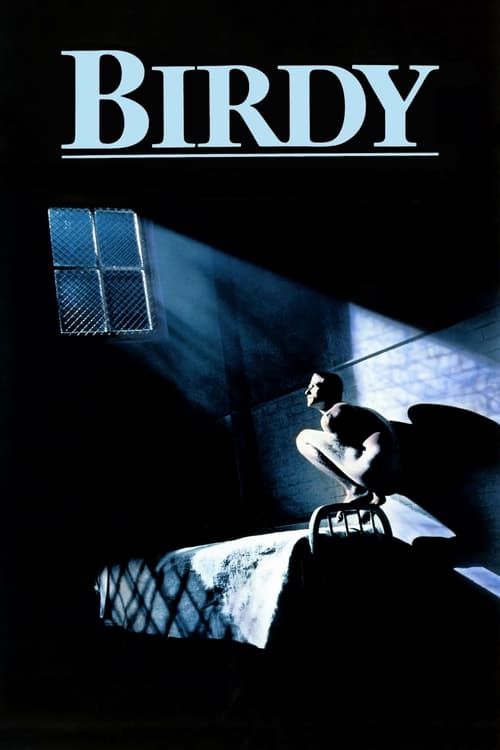
The film showcases a strong, emotional connection between Ralph and Birdy. Although it doesn't explicitly label their relationship as LGBTQ, it challenges the typical idea of tough masculinity by showing deep vulnerability.
The film establishes a society where men are removed from the equation, operating outside traditional cis-conventions that assume everyone is straight. While it lacks specific queer romantic arcs, the civilization functions outside conventional gender norms.
The film challenges traditional expectations around sexuality and relationships through satirical depictions of unconventional behaviors and subtle queer references. It consistently questions the sanctity of the traditional family structure.
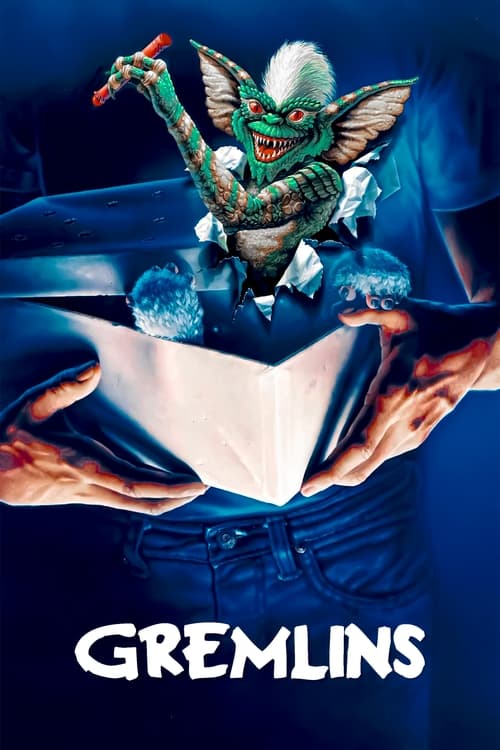
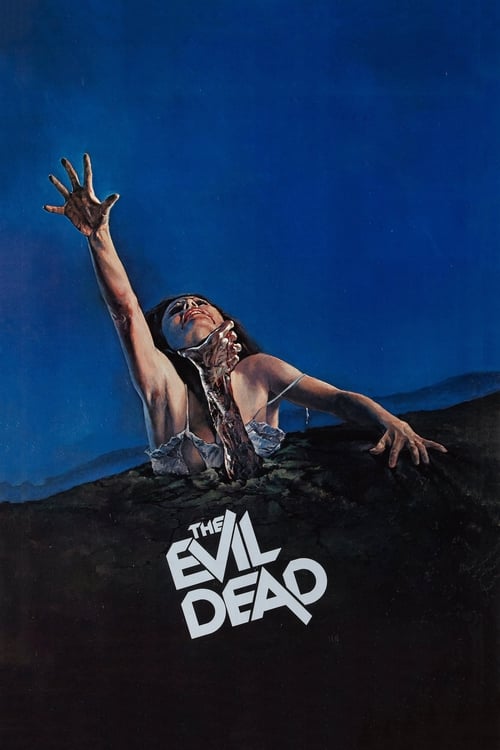
No queer characters, same-sex intimacy, or identity themes appear in the narrative. The focus remains entirely on the nuclear family unit and supernatural horror.
The film does not explicitly depict non-straight relationships or same-sex intimacy. Character dynamics center around traditional romantic and family relationships.
The film does not include any LGBTQ+ characters or non-cisgender identities. The social setting emphasizes traditional heterosexual family structures and relationships.
The film does not include any queer identities or non-straight relationships. The social setting is portrayed through a strictly heterosexual lens.
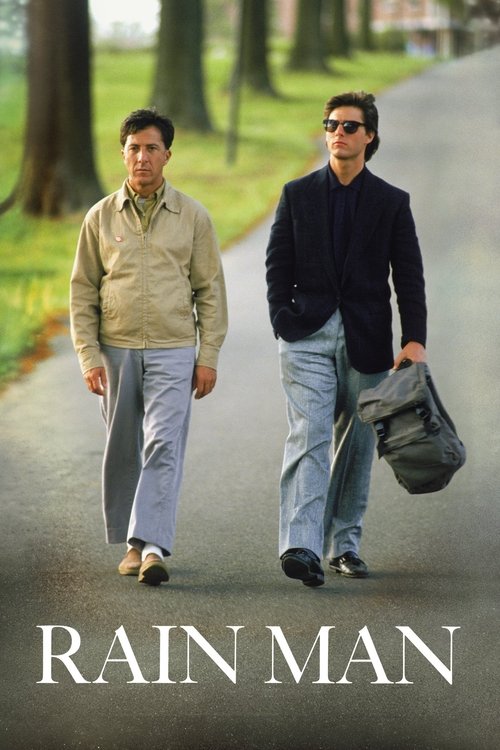
The film adheres to traditional assumptions about straight relationships, with no representation of LGBTQ+ identities or subtext.
The film does not include any characters with LGBTQ+ identities or orientations. It operates within a conventional social framework without any specific references to diverse sexual orientations or gender identities.
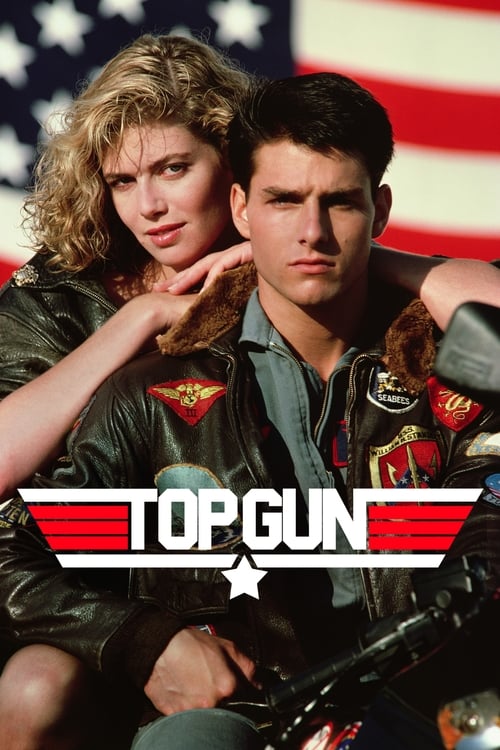
The film is set within a hyper-masculine military environment that assumes everyone is straight. There are no LGBTQ+ characters or diverse gender identities represented.
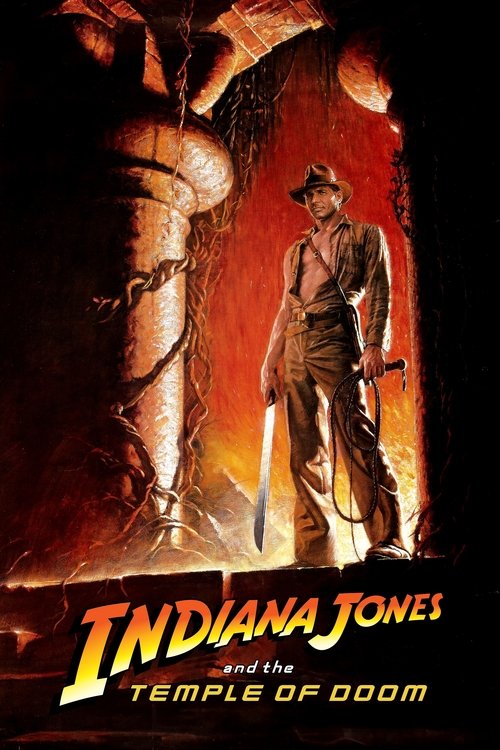
The film does not include any LGBTQ+ characters or non-straight relationships. The romantic subplot focuses solely on a traditional heterosexual relationship between Indiana Jones and Willie Scott.
The film adheres to a strict focus on straight relationships, with no depictions of LGBTQ+ identities or same-sex relationships.
The film does not include any representation of LGBTQ+ identities or non-cisgender identities. Same-sex intimacy is also absent.
The film does not include any LGBTQ+ characters or explore non-straight relationships. It focuses on a traditional family structure without any queer themes.
The film adheres to a strictly heterosexual and cisgender framework. The central romance between Bruce Wayne and Vicki Vale follows conventional structures without any visible presence of LGBTQ+ identities.
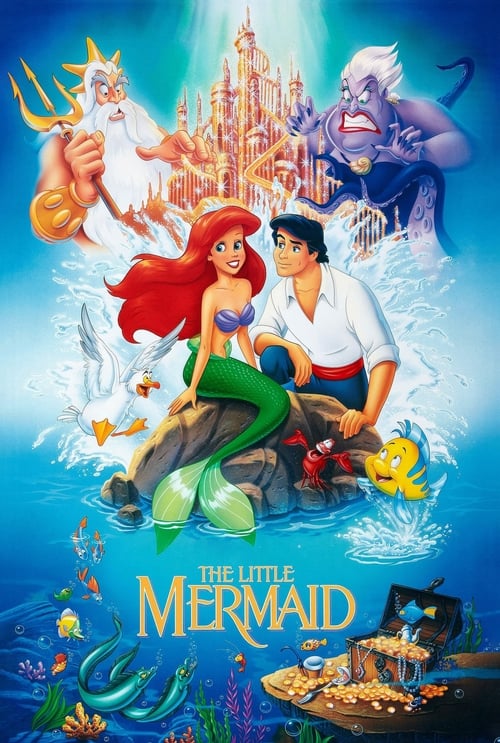
The film follows a strictly heterosexual storyline, with no representation of LGBTQ+ identities. The central plot revolves around the romance between Ariel and Prince Eric, without any queer characters.
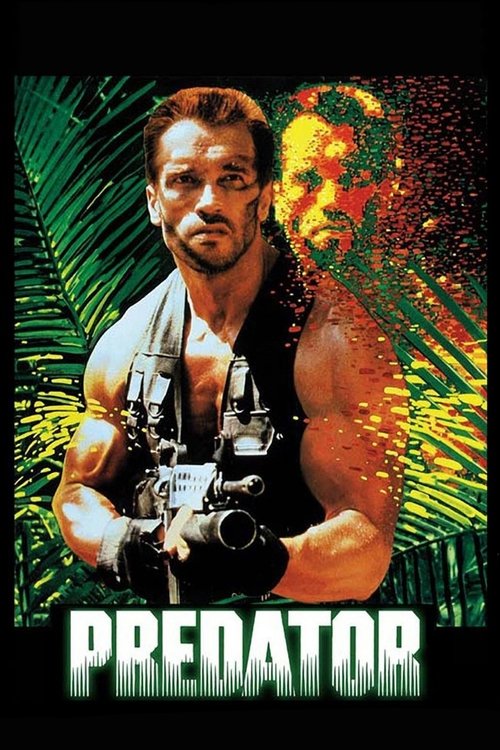
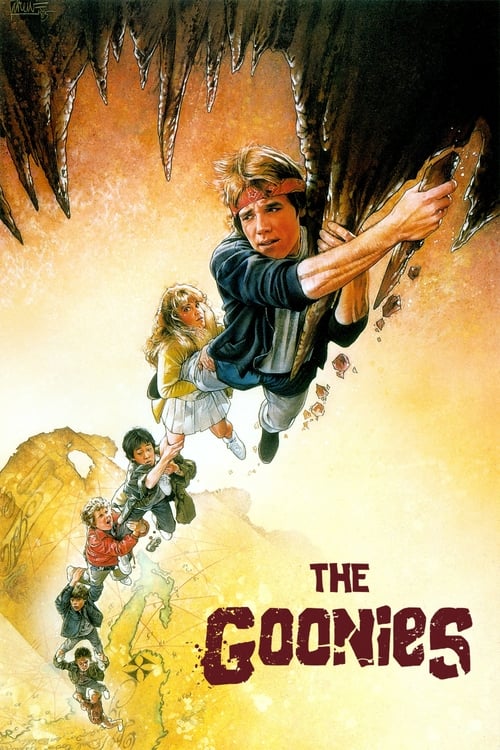
The film does not include any LGBTQ+ characters or themes related to non-straight identities. The social setting emphasizes a single, hyper-masculine bond among the characters.
The film does not include any LGBTQ+ characters or non-cisgender identities. It focuses solely on a male-centric family dynamic within a straight-centered context.
The film does not include any LGBTQ+ characters or explore non-straight relationships. Kingston Falls is shown through a traditional lens without addressing queer identities.
The film does not include any LGBTQ+ characters or explore non-straight relationships.
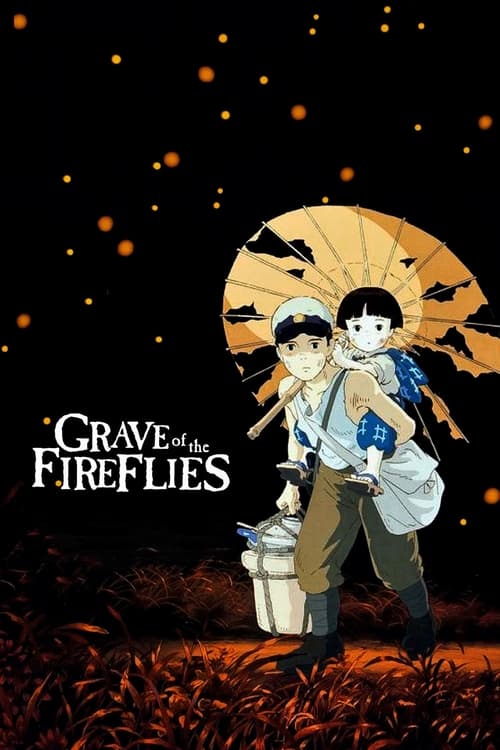
The story focuses entirely on the emotional bond between siblings. There are no depictions of LGBTQ+ identities or non-cisgender romantic arcs within this historical framework.
The film focuses on male bonding and does not depict any non-cisgender identities or same-sex relationships.
The film does not include any LGBTQ+ characters or non-straight relationships. The romantic storyline centers around a traditional heterosexual couple set in the 1960s.
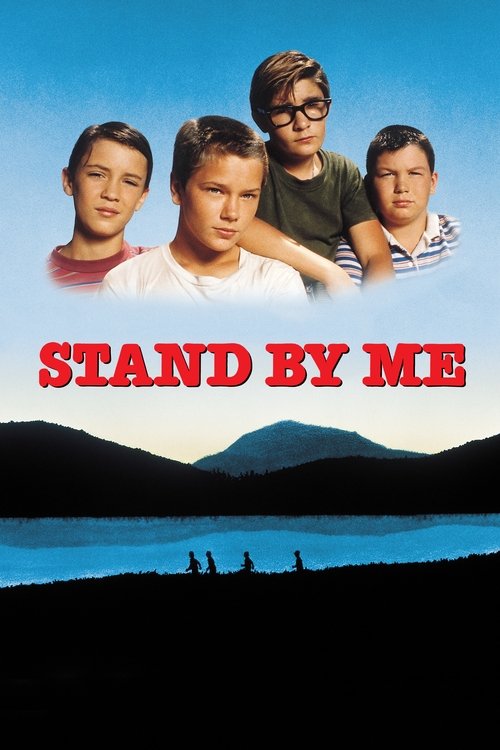
The film does not include LGBTQ+ characters or explore non-straight relationships. It focuses on platonic friendships and traditional teenage social structures.
The film does not include any LGBTQ+ characters or non-cisgender identities.
The film does not include any LGBTQ+ characters or non-straight relationships. The dystopian Detroit setting emphasizes a strict binary conflict between law enforcement and criminals.
The film does not include any LGBTQ+ characters or non-assuming gender matches what was assigned at birth identities.
The film adheres to an assumption that everyone is straight or cisgender. There are no non-cisgender identities or same-sex dynamics in the narrative.
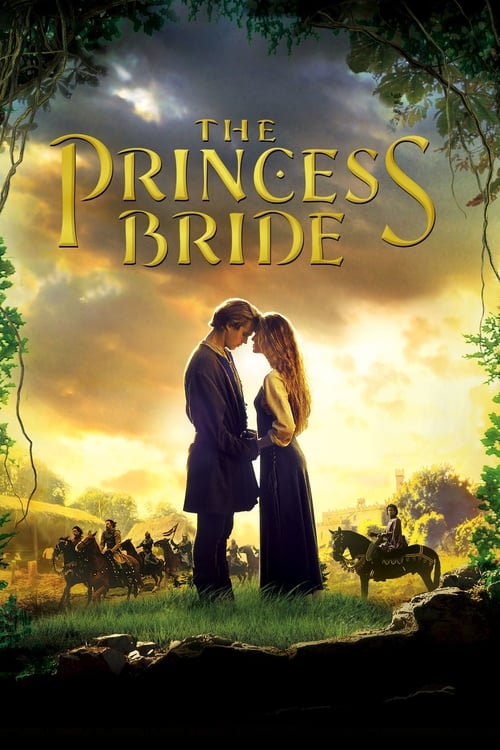
The film focuses on a relationship between Westley and Buttercup that assumes both are straight. There are no characters with non-traditional gender identities or same-sex relationships.
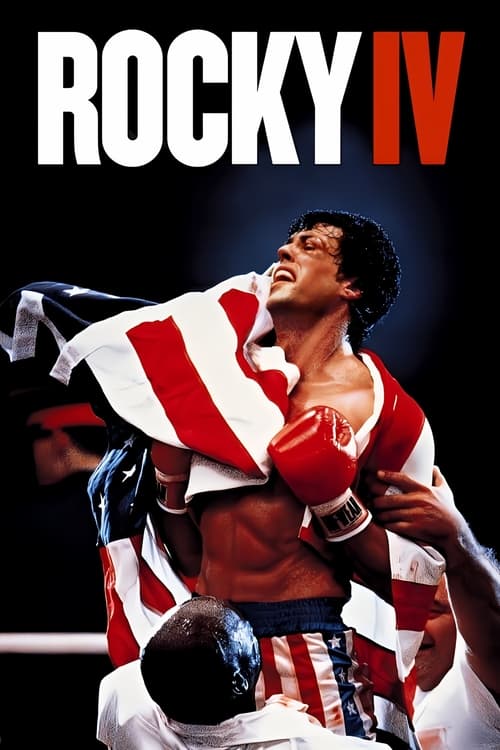
The film operates within a strictly heterosexual and hyper-masculine framework. There is no visible presence of LGBTQ+ identities or critiques of the assumption that everyone is straight or cisgender.
The film adheres to an assumption that everyone is straight or cisgender, with no visible LGBTQ+ characters or narratives challenging traditional social structures.
The film centers on a relationship between two heterosexual characters and does not depict any non-straight or non-cisgender identities.
The film does not include any LGBTQ+ characters or those with non-conforming gender identities. It focuses solely on traditional heterosexual relationships.
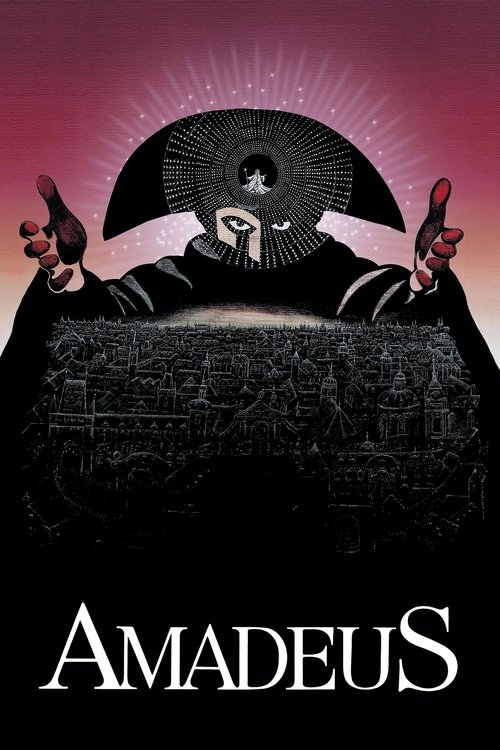
The film is set in the strict social confines of 18th-century Vienna. It explores deep psychological connections between men but does not include explicit depictions of non-traditional gender identities or same-sex relationships.
The film focuses solely on heterosexual relationships and traditional gender roles. There are no LGBTQ+ characters or non-straight identities featured in the story.
The film does not include any LGBTQ+ characters or scenarios involving non-straight relationships. The love story revolves around a traditional heterosexual relationship between Daniel and Ali.
The film does not include any LGBTQ+ characters or stories. The romantic storyline centers around a traditional heterosexual relationship.
The story focuses on a close, platonic friendship between the two main characters without depicting any queer identities or non-straight relationships.
The film follows a strictly heterosexual storyline, focusing on the romantic and platonic relationship between a man and a woman without any queer subtext.
The film doesn't include any LGBTQ+ identities or non-cisgender gender expressions. The characters are part of a traditional group of young adults without any queer subtext.
The film does not include any significant LGBTQ+ characters or narratives. The social landscape focuses on traditional heterosexual relationships.
The film does not include any LGBTQ+ characters or explore non-straight relationships. The story centers around the male bond between the two main characters.
The film operates within a strictly straight-centered framework. There is no presence of non-cisgender identities or same-sex intimacy.
The film does not include explicit LGBTQ+ identities or same-sex romantic relationships. Instead, it focuses on a metaphysical struggle rather than any queer-coded themes.
The film does not include any LGBTQ+ characters or themes related to sexual orientation or gender identity. The social setting is centered around heterosexual relationships and traditional masculinity.
The film adheres to an assumption that everyone is straight or cisgender. There are no non-assuming gender matches what was assigned at birth identities or narratives that challenge the assumption that everyone is straight or cisgender.
The film follows a strictly heterosexual storyline, focusing on the protagonist's relationship with a woman without any hints of LGBTQ themes.
The film does not include any LGBTQ+ characters or situations involving non-straight relationships. All romantic relationships are between heterosexual couples.
The film does not include any LGBTQ+ identities or non-assuming gender matches what was assigned at birth characters, focusing instead on straight relationships.
The film does not include any LGBTQ+ characters or non-traditional gender identities.
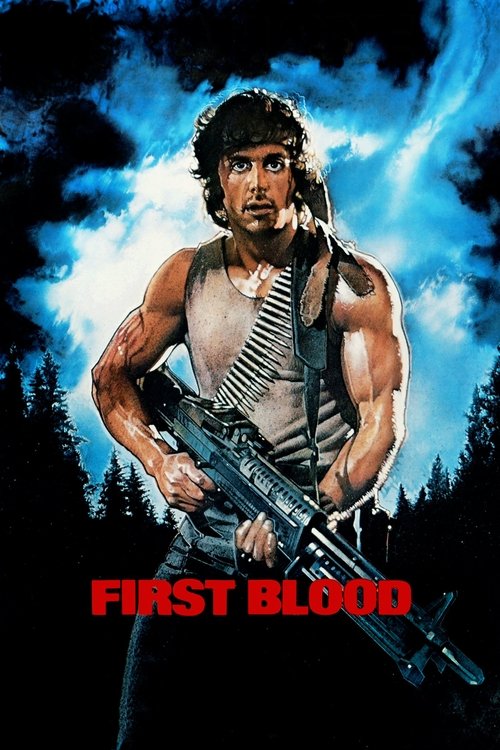
The film does not include any LGBTQ+ characters or narratives. The survivalist setting does not engage with queer identities or non-straight relationships.
The film does not include any LGBTQ+ characters or queer dynamics. It focuses solely on heterosexual relationships and hyper-masculine combat.
The film focuses on heterosexual relationships and biological imperatives, with no depiction of LGBTQ+ identities or non-assuming gender matches what was assigned at birth characters.