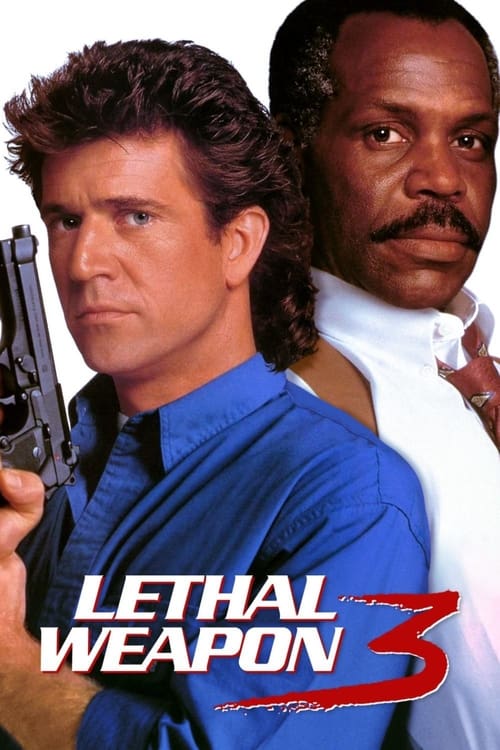
Lethal Weapon 3
1992
No user ratings available yet
Representation score: 3.1 out of 10

Representation Score
Limited
1987
RDirector
Richard Donner
Runtime
110 minutes
Average Rating
No ratings yetNew Showbiz Analysis
Lethal Weapon stands as a foundational buddy cop film that balances traditional genre clichés with progressive casting. Its most significant achievement is the central interracial partnership, which offers a level of integrated ability to act rare for its era. However, the film remains heavily tied to 1980s social norms. It relies on gendered archetypes where women serve as domestic anchors, and mental health is used primarily as a plot device to drive character instability. Ultimately, the film is a study in masculine authority. While it disrupts racial homogeneity in its leads, it reinforces conventional domestic and gender hierarchies throughout the narrative.
Category Breakdown
The film adheres to an assumption that everyone is straight or cisgender, with no visible LGBTQ+ characters or narratives challenging traditional social structures.
Female characters mainly serve as emotional catalysts or domestic anchors. The narrative emphasizes traditional hierarchies, focusing on male-dominated law enforcement roles.
The central interracial pairing of Danny Glover and Mel Gibson breaks the homogeneous casting typical of 1980s action cinema. This professional partnership offers meaningful representation.
The film explores moral relativism through Riggs's disregard for procedure. It prioritizes individualistic, non-conformist action over rigid institutional adherence.
Mental health is addressed through Riggs's suicidal thoughts and psychological instability. However, this focuses on the 'loose cannon' cliché rather than a nuanced exploration of neurodivergence.
Present on Screen
Limited or Absent
Official Synopsis
A veteran cop and an unstable detective become partners who must put their differences aside in order to bring down a heroin-smuggling ring run by ex-Special Forces.
1992
1990
1998
1986
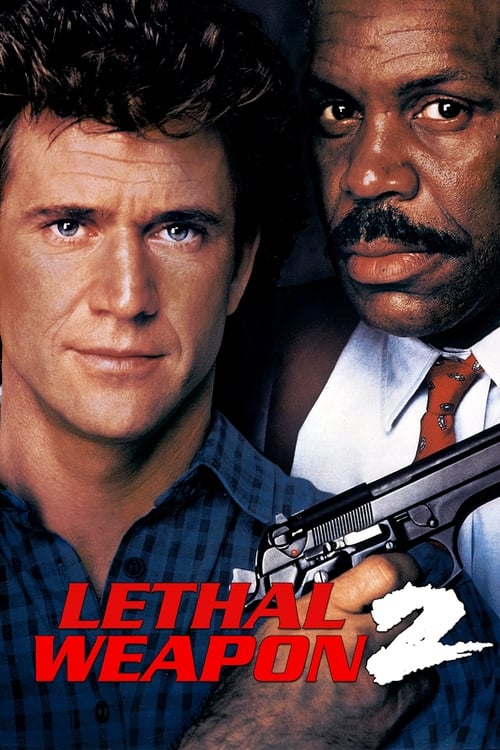
1989
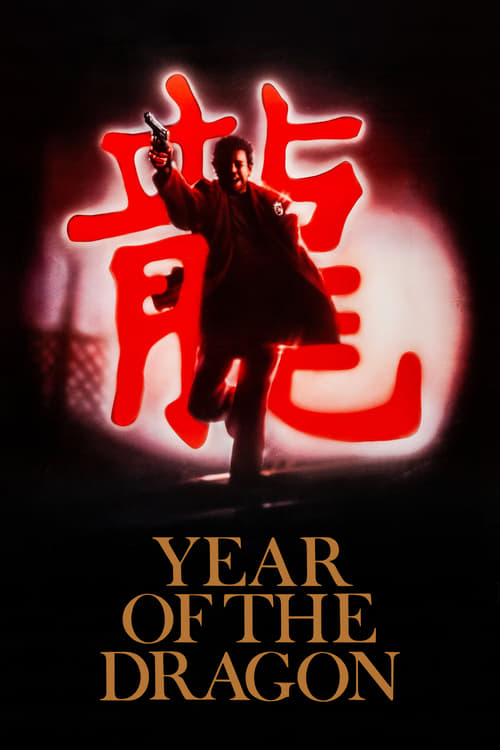
1985
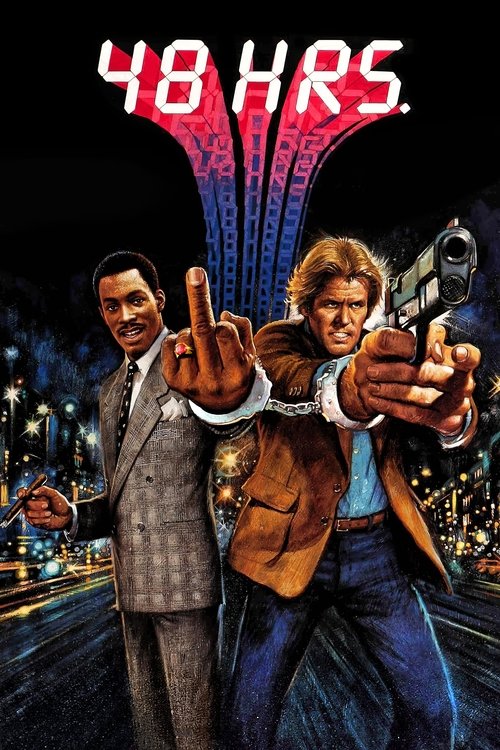
1982
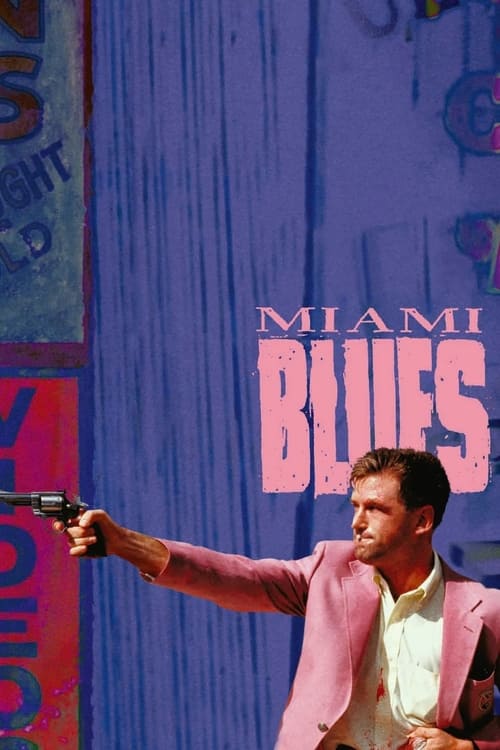
1990
No reviews yet. Be the first to share your thoughts on this movie!
Use the rating form above to leave a star rating and optional review.