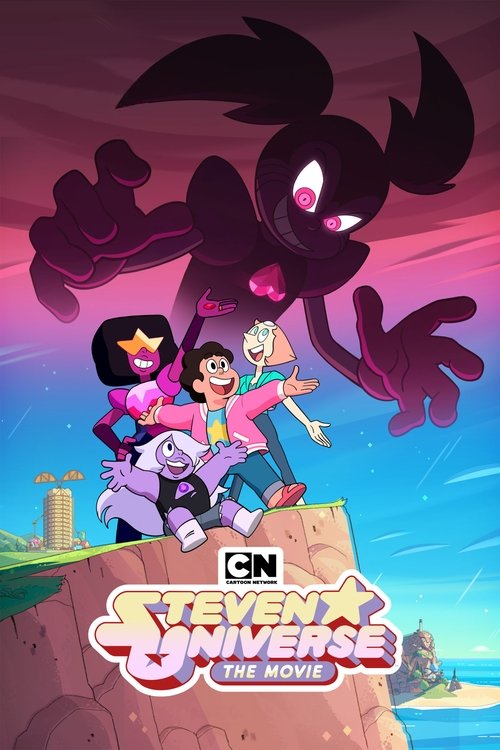
Steven Universe: The Movie
2019
TV-PGNo user ratings available yet
Representation score: 9.6 out of 10
These lists use approved LGBTQ+ representation scores for action films that have written notes. Highest-scoring films are those whose notes describe more on-screen LGBTQ+ representation. Lowest-scoring films are those whose notes describe little or none. Neither list is a quality ranking.
The film uses non-human Gems as powerful symbols for non-traditional gender identities and sexual orientations. It highlights identity fluidity and rejects strict, traditional assumptions about gender and sexuality, making queer and non-binary identities central to the story.
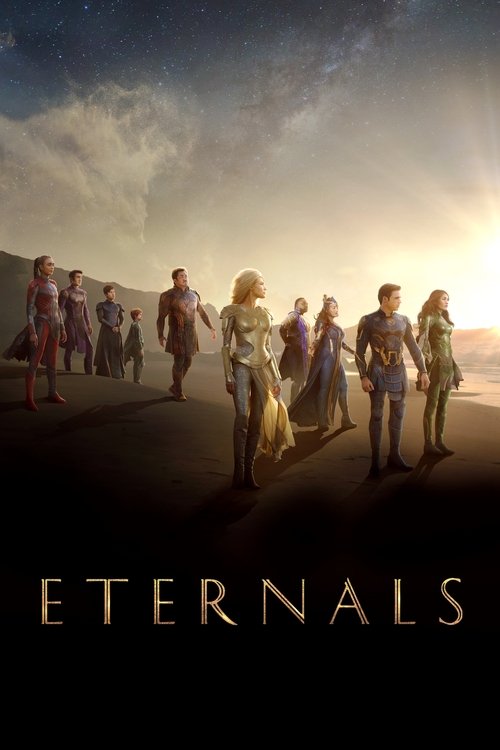
Phastos is portrayed with depth, showing a normalized marriage to Egois. His queer identity is a core part of his character rather than a superficial plot device, and his technical skills play a key role in the story.
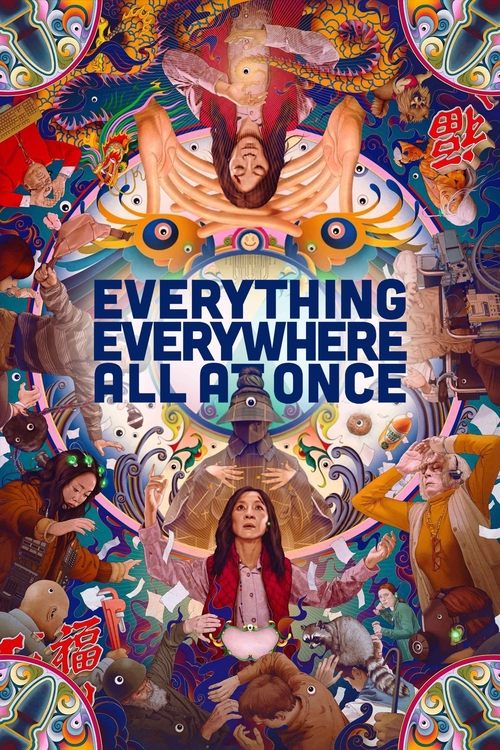
The film centers its emotional core on the queer experience through Joy, a lesbian character. Her identity drives the primary conflict, exploring themes of belonging and the friction caused by traditionalist familial expectations.
The central plot revolves around a romantic relationship between Ginny and Camille, which significantly influences their character development and the overall storyline.
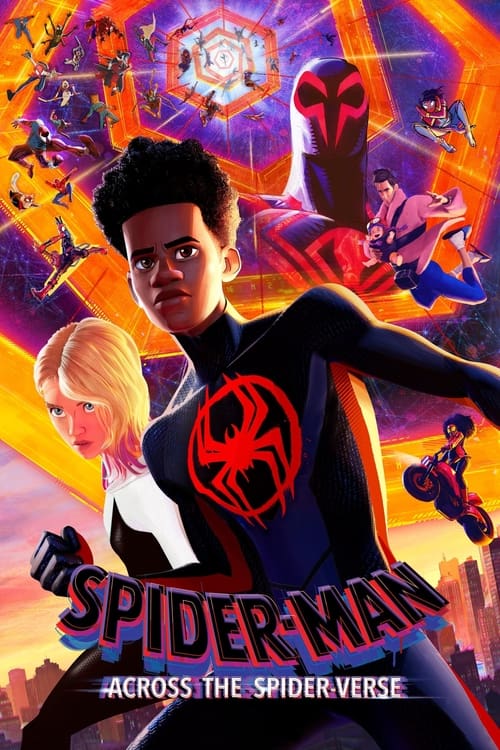
Queer identity is naturally integrated into the multiverse. Hobie Brown embodies this through his unconventional style and dialogue that challenge traditional norms.
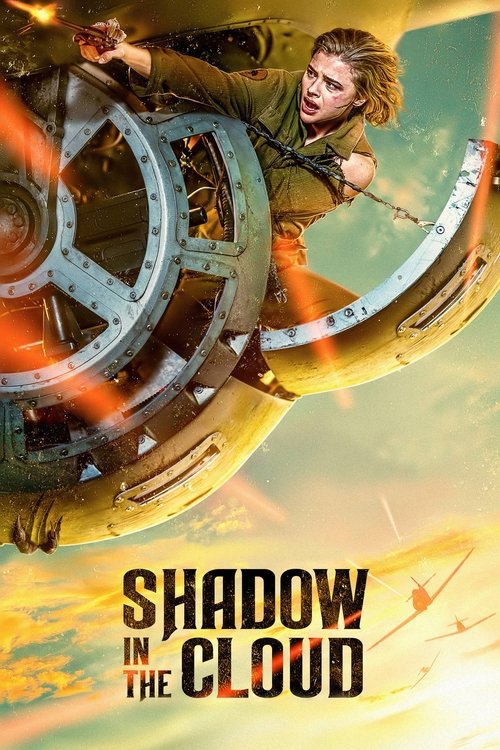
The film focuses on a romantic relationship between two women, which serves as the main emotional storyline in a traditionally restrictive WWII setting.
The film focuses on queer liberation as a core human right rather than a minor subplot. It uses the main conflict to criticize the state's use of the assumption that everyone is straight or cisgender as a means of control.
The film delves deeply into the emotional nuances of same-sex relationships, focusing on the complexity of queer male identity rather than using orientation as a plot device.
The film focuses on a transgender woman named Lisa, making her identity central to the romantic storyline. This portrayal challenges traditional assumptions about gender by exploring Lisa's experiences through a mainstream lens.
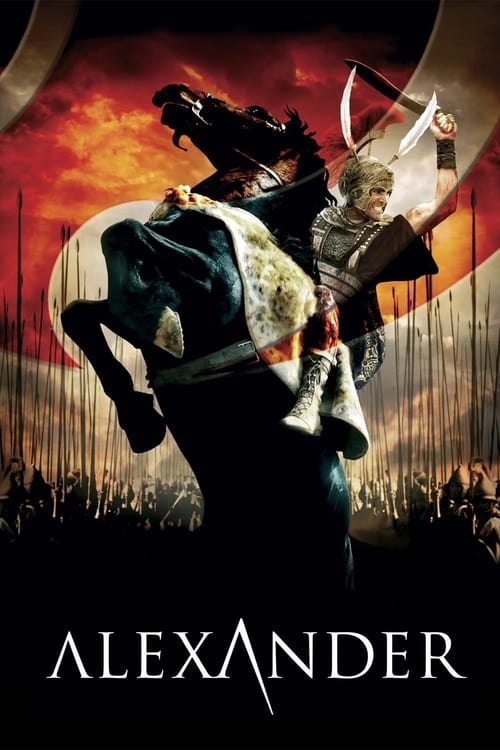
The film emphasizes the deep bond between Alexander and Hephaestion, integrating their relationship into the protagonist's identity rather than treating it as a side story. This challenges traditional masculine stereotypes.
The film focuses on queer identity and same-sex relationships, which are central to the emotional journey and character development. These elements challenge typical genre expectations centered around straight relationships.
The film includes characters like Wiccan and Hulkling as part of the main cast. Their roles challenge assumptions about straight relationships and avoid being mere tokens within the team.
The film focuses on the romantic and emotional growth of its two male leads. Queer identity is woven into the main character arcs rather than being a side plot.
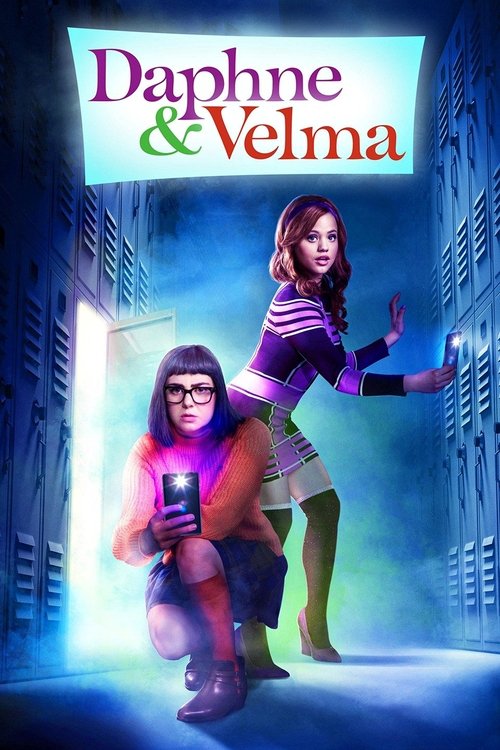
The film reimagines the bond between Daphne and Velma through a queer lens. It moves beyond including someone from a minority group without giving them real depth by integrating non-straight identities into the characters' core emotional arcs.
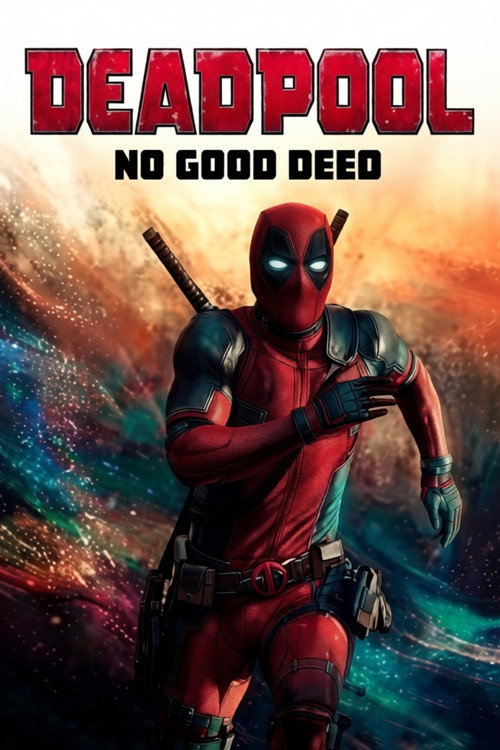
Deadpool's portrayal challenges traditional superhero clichés by disrupting rigid masculine ideals without needing explicit romantic plotlines. His meta-commentary on the genre shakes up conventional expectations.
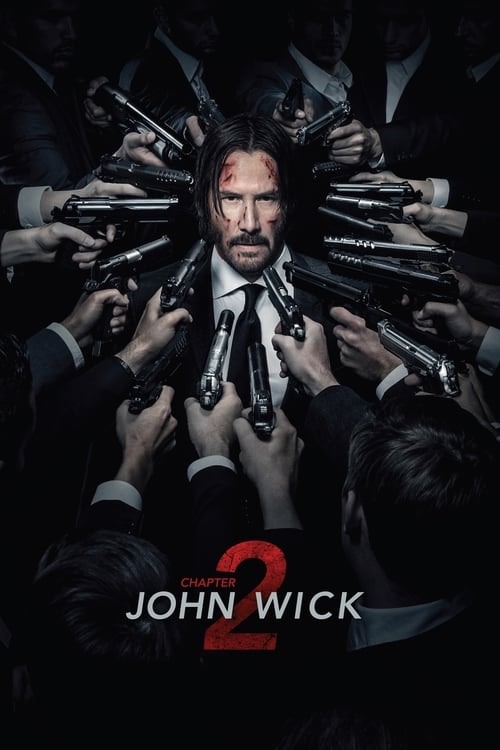
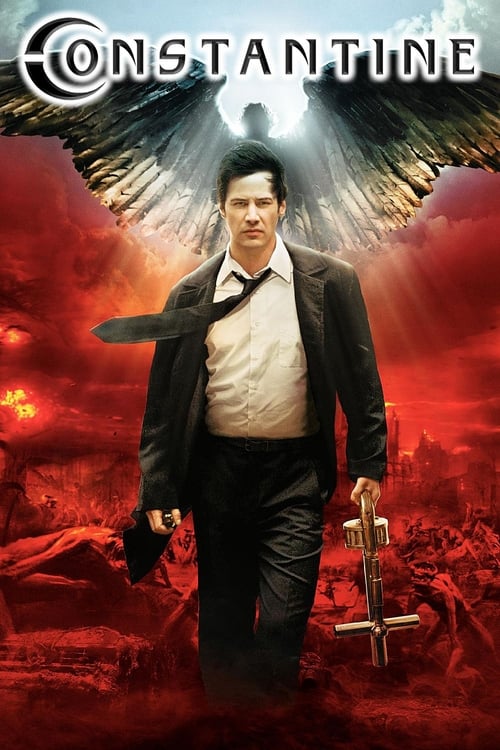
The film includes the character Santino D'Antonio, who identifies as non-binary. This inclusion challenges the assumption that everyone is straight or cisgender, embedding gender diversity directly into the high-stakes power dynamics of the assassin guild.
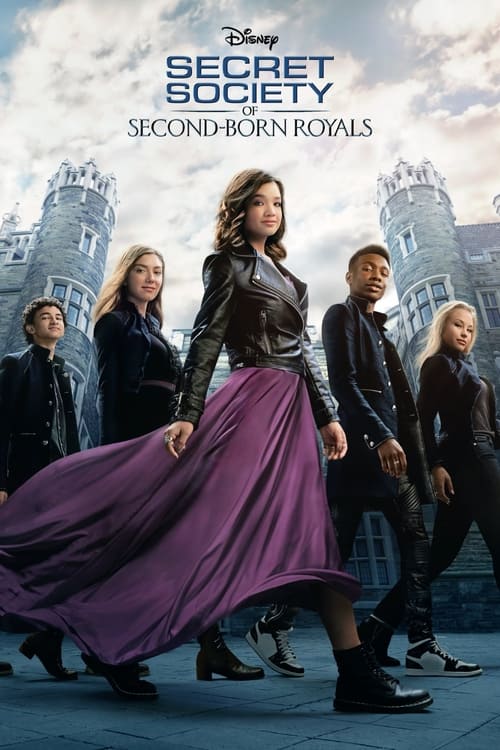
Queer identities are integrated into the main cast rather than being treated as side characters. This approach normalizes diverse romantic interests within the traditionally conservative setting of a royal society.
The film examines non-traditional social structures through anthropological settings, depicting fluid sexualities in Samoa and New Guinea to critique rigid Western constructs.
The film touches on issues of bodily autonomy and the tension between constructed and authentic identities. While the LGBTQ themes are subtle, the underlying message aligns with queer theories about non-traditional gender and sexuality.
The film includes intimate moments between female characters that reflect their personal lives rather than serving as mere plot devices. These interactions are part of their everyday experiences.
The film focuses on the strong relationship between Poison Ivy and Harley Quinn, implying a romantic connection that challenges typical heterosexual norms.
The character Gabriel presents a sophisticated deconstruction of traditional gender roles through an androgynous aesthetic. This portrayal of gender fluidity within a central, powerful role provides meaningful representation of diverse gender identities.
The film delves into identity struggles through a modern perspective, emphasizing the journey towards self-realization. While the central romance is spiritual, the narrative aligns with queer theories that recognize one's true essence.
The film delves into the complexities of sexual identity and same-sex intimacy through the character of Uday Hussein. It treats these identities as central to the story rather than just plot devices, examining how they intersect with the absolute political power of the regime.
The film celebrates those who exist outside traditional heterosexual norms through subtle hints. Midian serves as a sanctuary where underrepresented individuals find support and community, highlighting the importance of found families.
The film integrates queer identities into the main group's social fabric, presenting them as normal rather than focusing on trauma. This approach normalizes these identities within the group.
The film uses subtle symbolism to convey themes of embracing an authentic self, which can be interpreted as an allegory for the transgender experience. It avoids labeling characters explicitly while still conveying these themes.
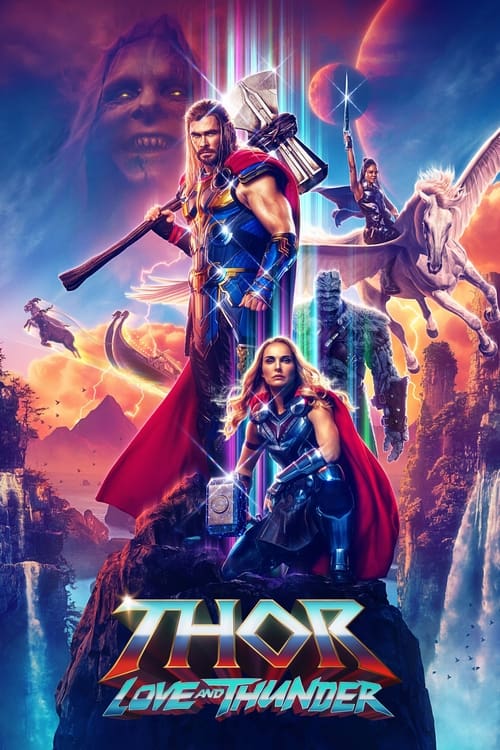
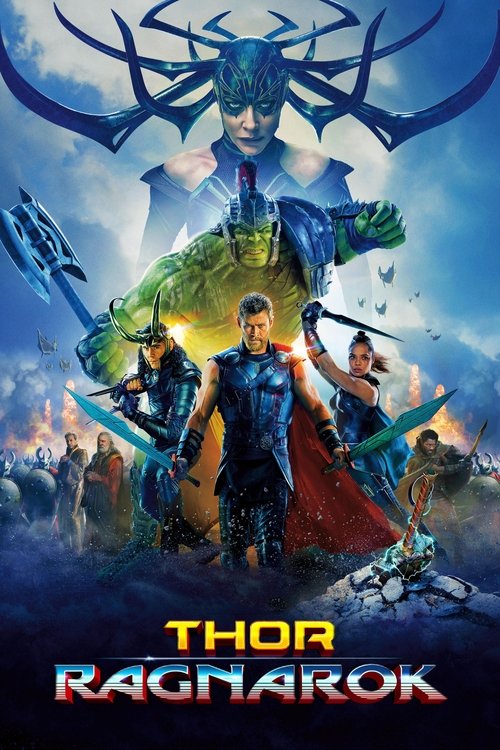
The film includes non-traditional romantic dynamics, such as Korg's relationship with Eve, which moves beyond typical heterosexual pairings.

2008
PG-13Abe Sapien is portrayed with dignity, avoiding typical caricatures of LGBTQ+ individuals. He exists outside traditional assumptions about gender and sexuality, offering a nuanced perspective.
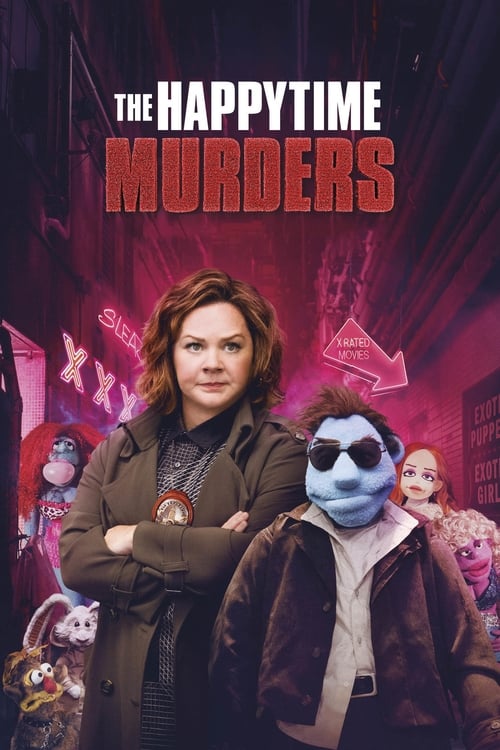
The film uses puppets to explore LGBTQ+ identities within a gritty, R-rated setting. This approach goes beyond including someone from a minority group without giving them real depth by integrating diverse sexualities into a chaotic urban landscape that challenges traditional expectations of puppet innocence.
The film examines the space between deep platonic friendships and emerging romantic feelings. It challenges the traditional view of adolescent friendships by showing fluidity in relationships.
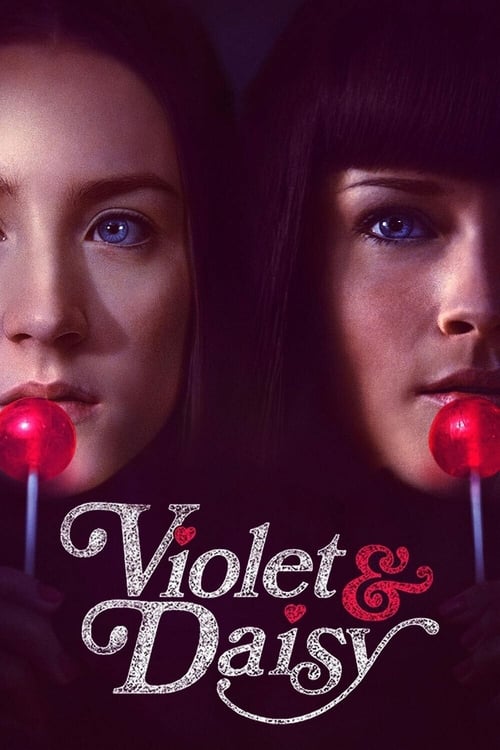
The film delves into non-traditional emotional connections through a close bond between the female leads. Their relationship mixes platonic support and romantic obsession, providing a layered look at identity.
The film includes diverse LGBTQ+ characters whose identities are shown through unique personalities rather than as central plot points. These dynamics challenge typical romantic storylines.
The film features a queer aesthetic that emphasizes gender-fluid styling rather than traditional romantic themes. The protagonists reject conventional feminine roles, though the movie doesn't center on a direct LGBTQ+ relationship.
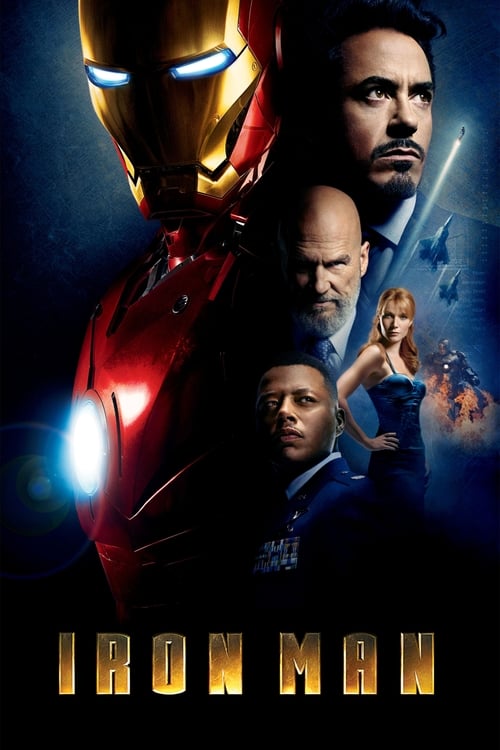
No LGBTQ+ characters appear in the film. Tony Stark’s romantic interests are exclusively women, and all intimacy is heterosexual.
No same-sex couples, romantic partners, or non-binary characters appear. The film features no queer dialogue, intimacy, or identity markers.
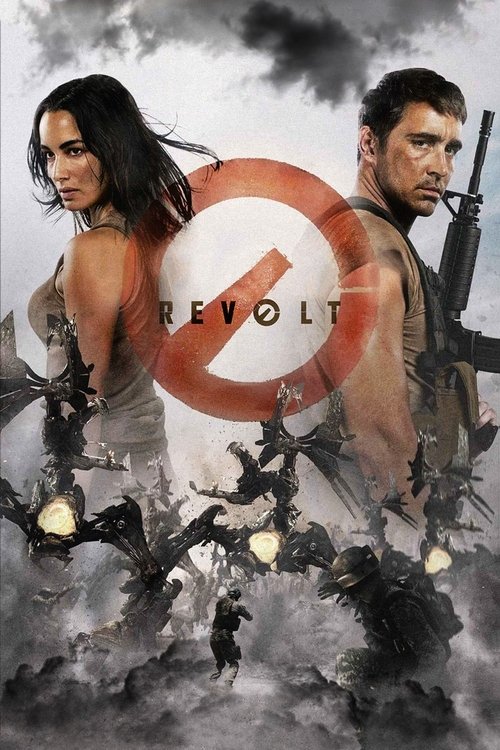
No same-sex couples or non-binary characters appear. The cast consists of men and women in survival dynamics.
No same-sex intimacy or queer characters appear. All romantic and social bonds follow a strictly heterosexual, binary structure.
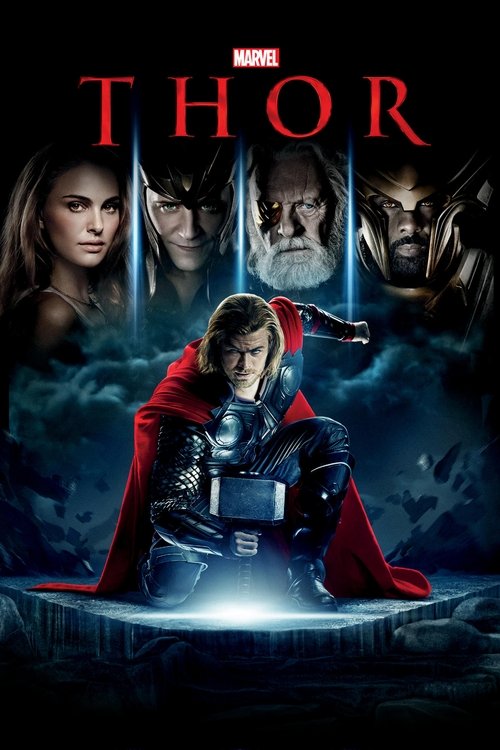
No LGBTQ+ characters, intimacy, or discussion appear on screen. The romantic dynamics are strictly heterosexual, pairing Thor with Jane and leaving other relationships undefined.
No same-sex couples, queer characters, or non-binary identities appear on screen. Romantic and familial bonds are strictly heterosexual or platonic.
No same-sex couples, romantic intimacy, or non-binary characters appear. The cast is entirely heterosexual, and no dialogue or plot points address sexual orientation or gender identity.
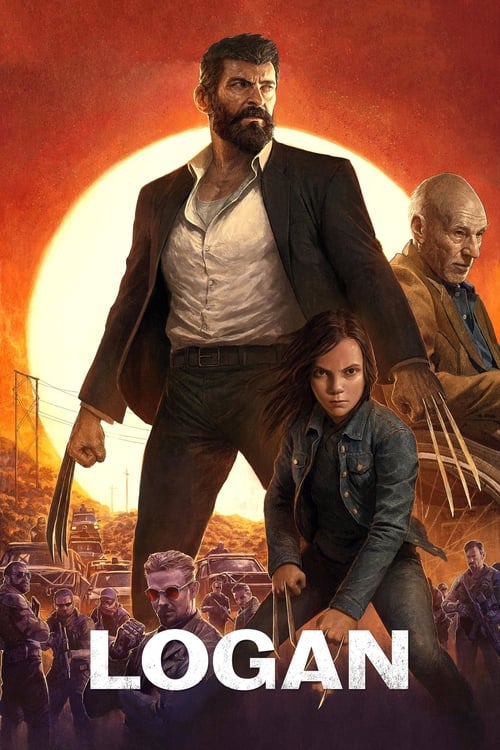
No LGBTQ+ characters, same-sex relationships, or queer identities appear in the film. The narrative focuses entirely on mutant status, familial bonds, and survival in a dystopian future.
No LGBTQ+ characters or same-sex romance appear in the film. All romantic or familial bonds depicted are between men and women.
No LGBTQ+ characters, same-sex romance, or gender-nonconforming identities appear on screen. All relationships are strictly platonic, fraternal, or hierarchical between male soldiers, civilians, and officers.
The film does not include explicit LGBTQ+ characters or same-sex relationships. The romantic focus is on the heterosexual relationship between Will Turner and Elizabeth Swann.
The film does not include any LGBTQ+ characters or narratives. The interpersonal dynamics focus on the protagonist's isolation and her eventual detachment from human social structures.
The film does not explicitly depict non-straight relationships or same-sex intimacy. Character dynamics center around traditional romantic and family relationships.
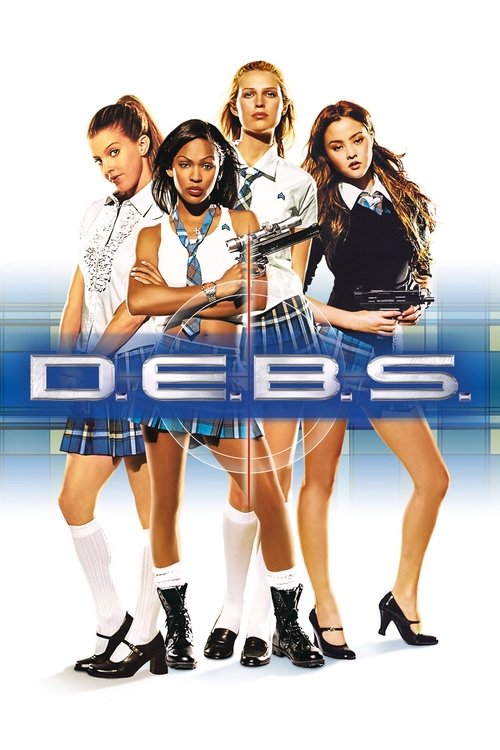
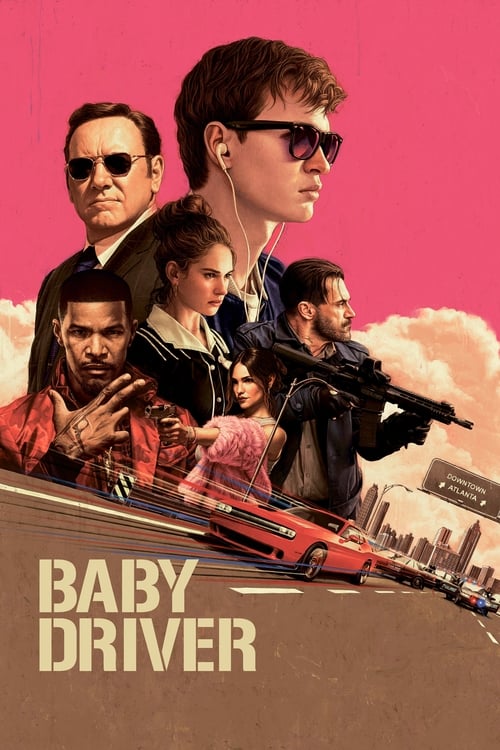
The film focuses on a relationship between Baby and Debora that assumes both are straight. There are no characters with non-traditional sexual orientations or gender identities.
The film focuses on a strictly heterosexual and cisgender nuclear family. There are no visible LGBTQ+ characters or non-cisgender identities present.
The story focuses on a relationship between Clark Kent and Lois Lane that assumes both are straight and cisgender. There are no characters or critiques that challenge these assumptions.
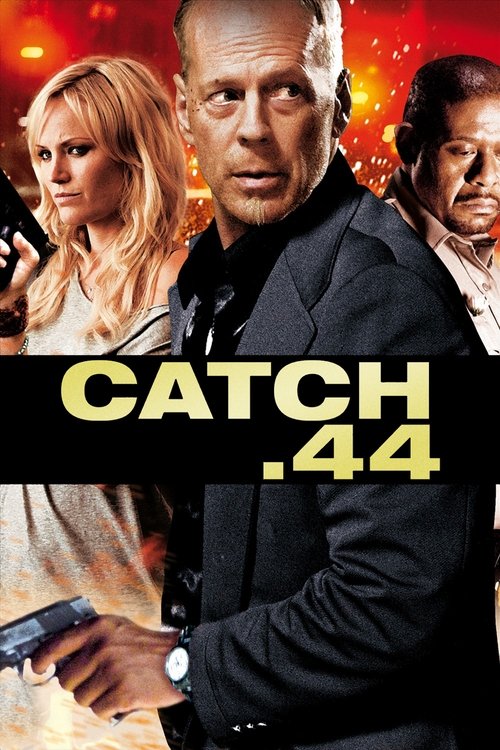
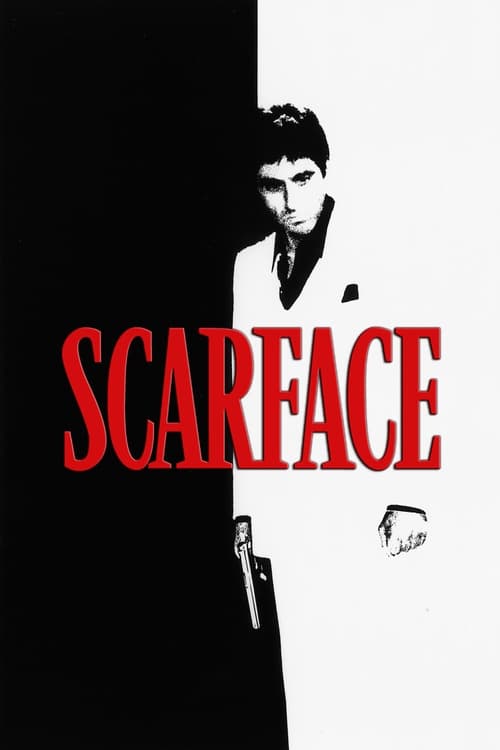
The film does not include any LGBTQ+ characters or narratives. The story centers around the relationship between the main characters and the criminal underworld.
The film lacks prominent LGBTQ+ characters or storylines. Interpersonal dynamics focus on traditional romantic tensions within straight-centered relationships.
The film does not include any LGBTQ+ characters or non-cisgender identities. The social framework remains focused on traditional heterosexual relationships.
The film does not include any LGBTQ+ characters or explore non-straight relationships. The romantic storyline focuses solely on a traditional heterosexual love triangle.
The film does not explicitly depict same-sex relationships or non-binary identities. Character interactions revolve around traditional heterosexual and family structures typical of high fantasy.
The film follows a conventional structure that assumes everyone is straight or cisgender. It does not prominently feature characters or stories centered around LGBTQ+ identities.
The film does not include any LGBTQ+ characters or representations of same-sex relationships.
The film focuses on Spartan familial structures and martial brotherhood without showing any non-traditional gender identities or same-sex relationships.
The film does not include any LGBTQ+ characters or explore non-straight relationships. Relationships are portrayed through traditional mother-child dynamics.
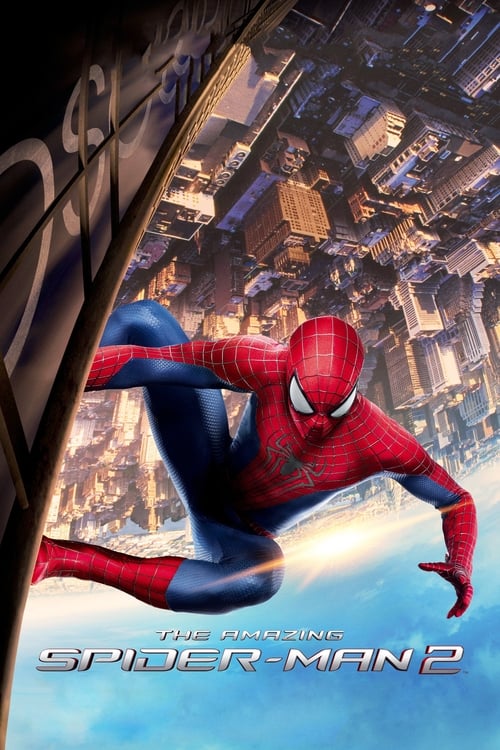
The film does not include any LGBTQ+ characters or narratives. It focuses solely on heterosexual relationships, such as the central romance between Peter Parker and Gwen Stacy.
The film does not include any LGBTQ+ characters or same-sex relationships. The story focuses on avoiding arranged marriages, which keeps it within traditional heterosexual boundaries.
The film does not include any LGBTQ+ characters or non-straight relationships. The central romantic and family structures are shown through a traditional straight-focused lens.
The film focuses solely on the romantic relationship between Chris and Taya Kyle, without including any LGBTQ+ identities or storylines.
The film does not include any queer identities or non-straight relationships. The social setting is portrayed through a strictly heterosexual lens.
The film focuses solely on heterosexual relationships and does not include any LGBTQ+ identities or critiques of heterosexuality.
The film does not include any LGBTQ+ characters or explore non-traditional sexual or gender identities. Emotional journeys are focused on conventional family and romantic relationships.
The film strictly follows the assumption that everyone is straight or cisgender. Emotional stakes revolve around the nuclear family, with no presence of LGBTQ+ representation or non-cisgender identities.
The film adheres to traditional assumptions about straight relationships, with no representation of LGBTQ+ identities or subtext.
The film does not include any notable LGBTQ+ characters or stories that go beyond traditional heterosexual relationships. The main romantic storyline focuses on a typical boy-meets-girl plot.
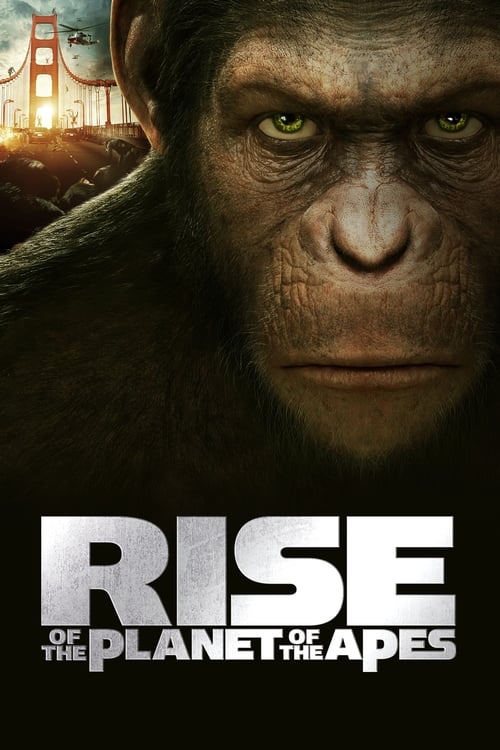
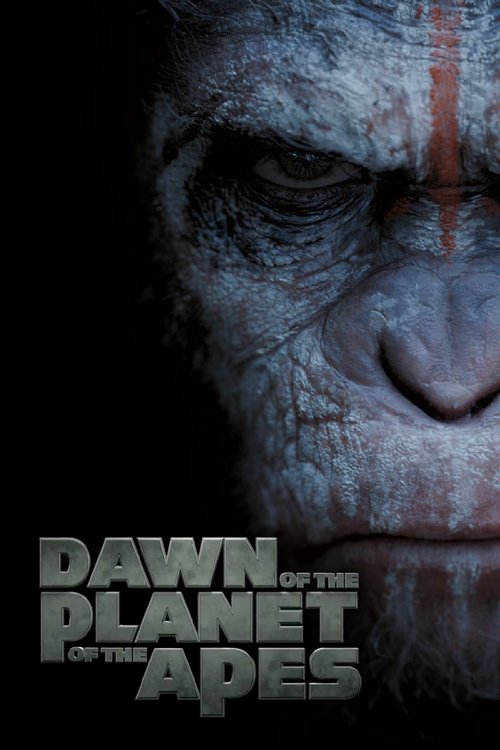
There are no LGBTQ+ characters or non-straight relationships in the film. The story focuses on the relationship between apes and humans.
The film adheres to a traditional framework that assumes everyone is straight or cisgender. There are no LGBTQ+ characters or explorations of non-straight identities.
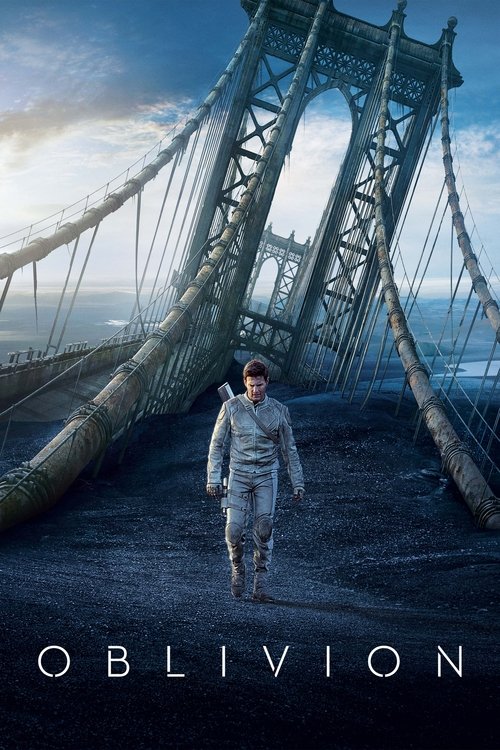
The film adheres to an assumption that everyone is straight or cisgender. The central emotional storyline focuses on the romantic relationship between Jack and Victoria.
The film does not include any LGBTQ+ characters or explore non-cisgender identities. It stays within the confines of heterosexual relationships, avoiding any engagement with queer themes.
The film focuses solely on a heterosexual couple and does not include any LGBTQ+ identities or narratives that question traditional romantic structures.
The film strictly follows the assumption that everyone is straight or cisgender. There are no representations of non-cisgender identities or same-sex relationships.
The film does not include any LGBTQ+ characters or storylines. It centers on heterosexual relationships and traditional interpersonal connections.
The story follows a strictly heterosexual and cisgender perspective, with no representation of LGBTQ+ identities or relationships.
The film focuses solely on heterosexual relationships and does not include any non-cisgender identities or queer perspectives.
The film does not include any LGBTQ+ characters or explore non-straight relationships. The focus is on the friendship between the male leads and the relationship between one of them and his father.
The film does not include any LGBTQ+ characters or non-straight relationships. Romantic subplots and interpersonal dynamics remain focused on traditional heterosexual relationships.
The film does not explicitly include LGBTQ+ identities or same-sex relationships. Its character dynamics focus on heterosexual relationships without challenging traditional gender roles.
The film does not include any LGBTQ+ characters or relationships that go beyond the assumption that everyone is straight or cisgender.
The film doesn't include any LGBTQ+ identities or queer-coded subtext. Relationships focus solely on traditional romantic interests.
The film does not include any LGBTQ+ characters or explore non-straight relationships. All romantic and biological storylines follow a traditional heterosexual structure.