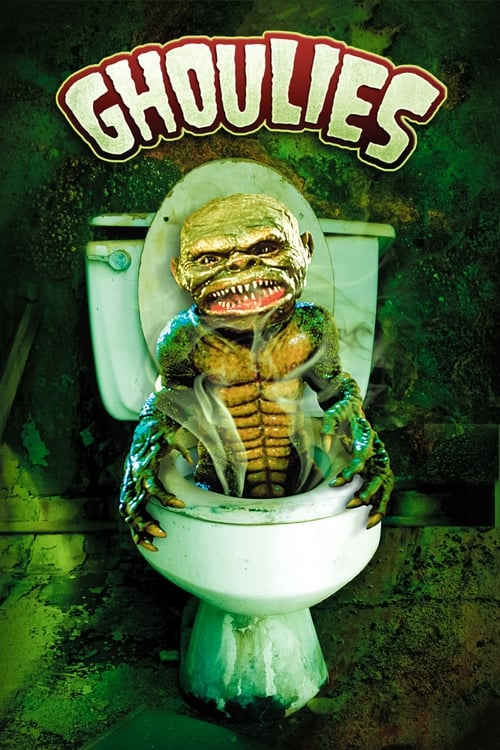
Ghoulies
1984
No user ratings available yet
Representation score: 0.7 out of 10
Representation Score
Limited
1987
RDirector
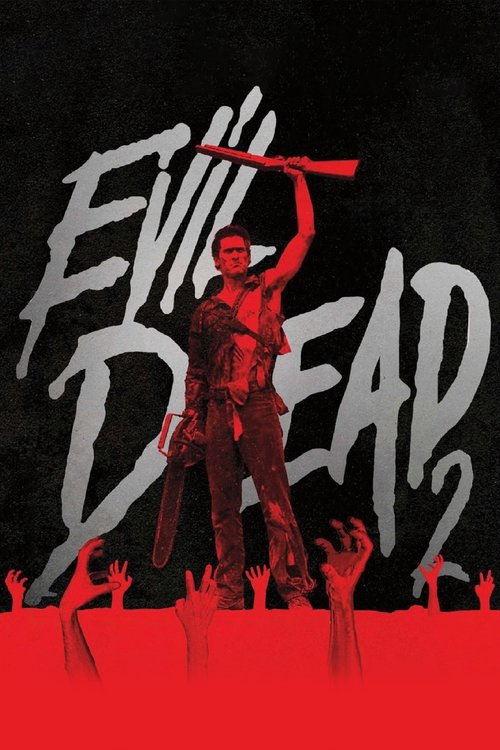
Sam Raimi
Runtime
84 minutes
Average Rating
No ratings yetNew Showbiz Analysis
Evil Dead II is a stylized genre piece that prioritizes kinetic visuals and visceral impact over social or characters who reflect more than one aspect of diversity. The narrative focuses on psychological isolation and individual survival, avoiding the complexities of identity politics or systemic power dynamics. The film adheres to conventional 1980s horror demographics, featuring a homogeneous cast within a rural setting. While the 'splatstick' tone occasionally deconstructs the protagonist's perceived masculine competence through physical comedy, the core character dynamics remain rooted in traditional clichés.
Category Breakdown
The film does not include any LGBTQ+ characters or non-traditional gender identities.
Gender roles follow traditional horror clichés. Linda, though central, loses her influence when possessed, while Ash assumes a rugged survivor role.
The cast is predominantly white, reflecting a rural setting. There are no non-Anglo-Saxon characters or attempts to diversify the cast.
The narrative replaces traditional religious morality with occult themes and cosmic horror, focusing on survivalist logic without social commentary.
Physical trauma and limb loss are used as horror devices, serving as plot catalysts rather than exploring disability in depth.
Present on Screen
Limited or Absent
Official Synopsis
Ash Williams and his girlfriend Linda find a log cabin in the woods with a voice recording from an archeologist who had recorded himself reciting ancient chants from "The Book of the Dead." As they play the recording an evil power is unleashed taking over Linda's body.
1984
1988
1983
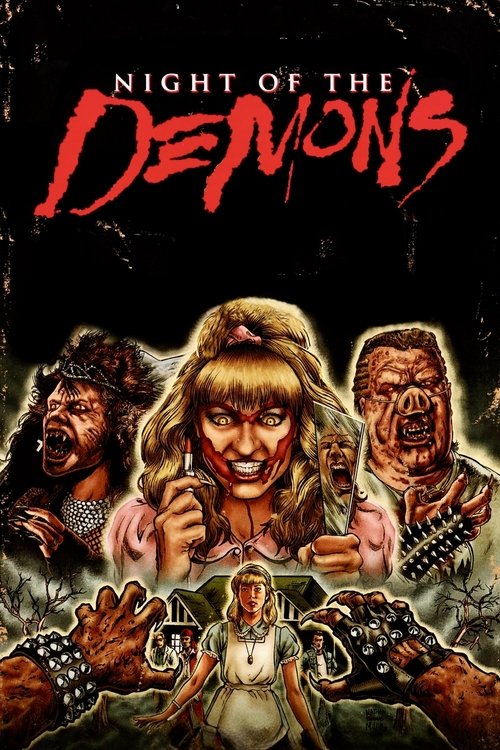
1988
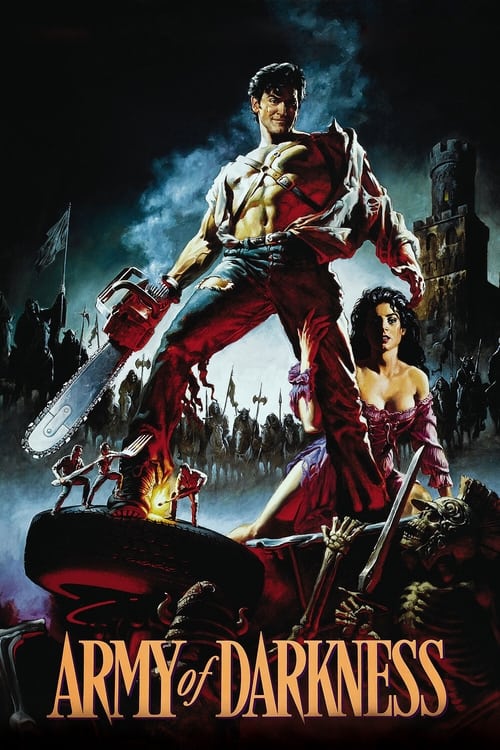
1992
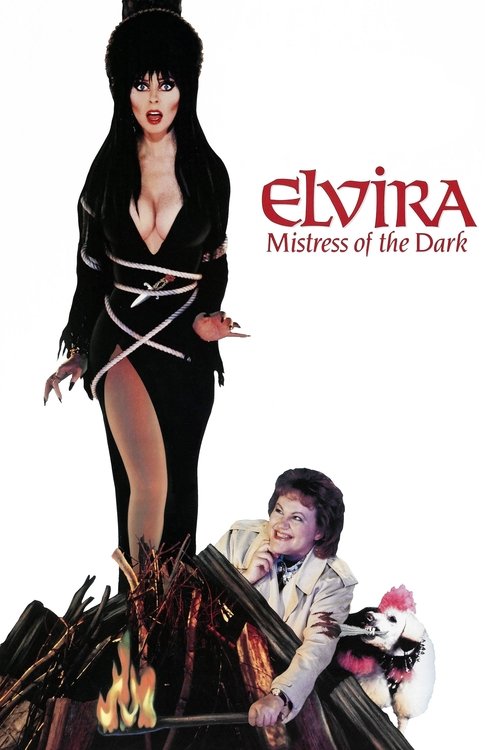
1988
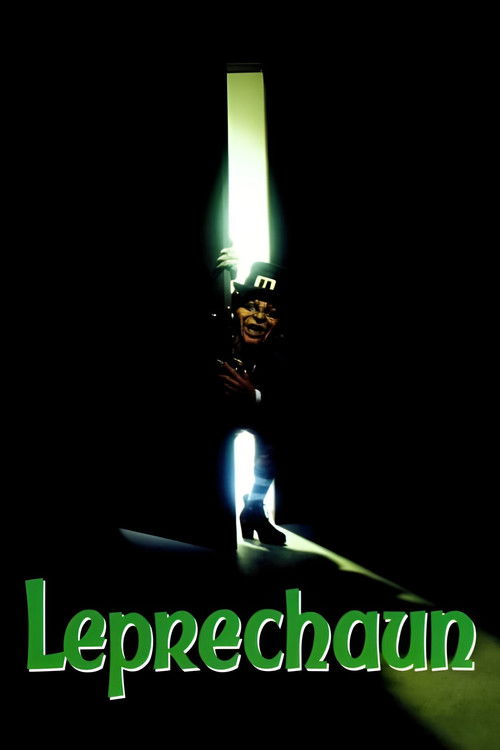
1993
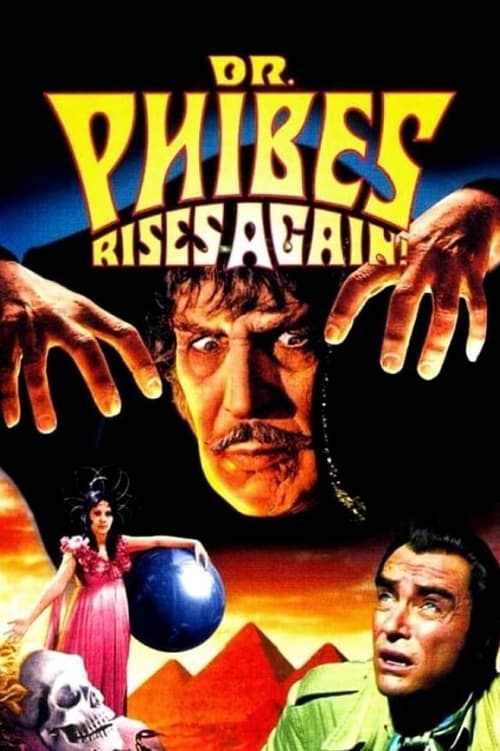
1972
No reviews yet. Be the first to share your thoughts on this movie!
Use the rating form above to leave a star rating and optional review.