Barefoot Gen 2
1986
No user ratings available yet
Representation score: 6.9 out of 10
Representation Score
Good
1988
NRDirector
Isao Takahata
Runtime
89 minutes
Average Rating
No ratings yetNew Showbiz Analysis
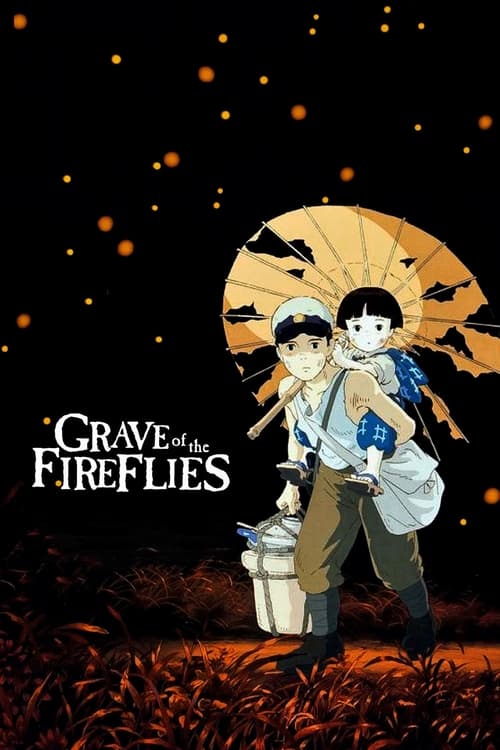
Isao Takahata’s masterpiece avoids the typical glory of war cinema, focusing instead on the human cost of systemic failure. By centering on the vulnerability of orphans, the film deconstructs nationalistic myths and examines the erosion of morality under extreme scarcity. The film succeeds in providing a non-Western perspective on global conflict, moving away from a Western-centric gaze. It uses the physical wasting of its characters to highlight bodily vulnerability, though this serves tragic realism rather than specific disability representation. While the narrative is strictly oriented toward straight relationships, its strength lies in its sophisticated critique of how state and communal structures fail the most vulnerable individuals during wartime.
Category Breakdown
The story focuses entirely on the emotional bond between siblings. There are no depictions of LGBTQ+ identities or non-cisgender romantic arcs within this historical framework.
The film challenges traditional roles by highlighting Seita's failure as a protector. Female characters, like the aunt, are portrayed with a pragmatic hardness rather than submissive archetypes.
Set in wartime Japan, the cast is ethnically uniform. However, it centers the civilian experience of a non-Western population facing the consequences of Allied firebombing.
The narrative offers a profound critique of traditional institutions and nationalist fervor. It explores the breakdown of family and state structures during systemic societal collapse.
While no characters have permanent disabilities, the film provides a visceral depiction of the physiological effects of starvation and extreme malnutrition.
Present on Screen
Limited or Absent
Official Synopsis
In the final months of World War II, 14-year-old Seita and his sister Setsuko are orphaned when their mother is killed during an air raid in Kobe, Japan. After a falling out with their aunt, they move into an abandoned bomb shelter. With no surviving relatives and their emergency rations depleted, Seita and Setsuko struggle to survive.
1986
1983

2016
1952
1991

2016

2025

1986
No reviews yet. Be the first to share your thoughts on this movie!
Use the rating form above to leave a star rating and optional review.