Moonlight
2016
RNo user ratings available yet
Representation score: 9.8 out of 10
These lists use approved LGBTQ+ representation scores for dramas that have written notes. Highest-scoring films are those whose notes describe more on-screen LGBTQ+ representation. Lowest-scoring films are those whose notes describe little or none. Neither list is a quality ranking.
The film explores queer identity through a nuanced lens, avoiding stereotypes by showing how same-sex intimacy interacts with societal pressures.
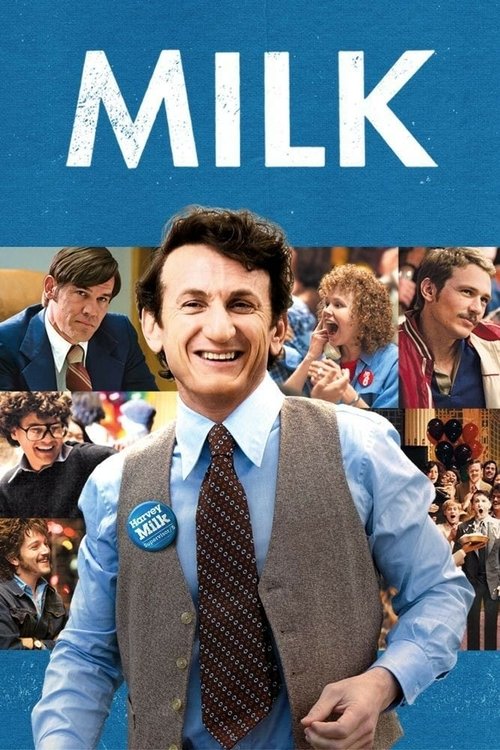
The film highlights LGBTQ+ identity by placing it at the center of political discussions. It shows how the LGBTQ+ community drives change through organizing and activism.
The film centers its entire narrative on a transgender man, exploring trans masculinity and romantic intimacy with profound depth. It avoids treating identity as a subplot and instead places it at the core of the story.
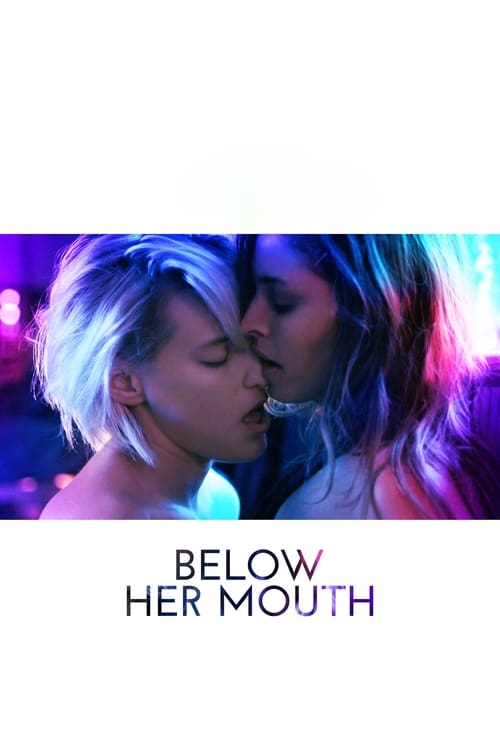
The film centers an intimate relationship between two women, making same-sex intimacy the core of its tension and momentum. It prioritizes sexual liberation and empowerment rather than portraying queerness as a tragic subplot.
The film explores the psychological impact of forced conformity on queer identity. It goes beyond including someone from a minority group without giving them real depth to criticize the institutional suppression of non-conforming identities.
The film focuses on queer characters who play key roles in political and social change. It shows same-sex relationships and domestic life with honesty and authenticity, while criticizing assumptions that everyone is straight or cisgender.
The film focuses on trans feminine identities as central to its storyline. Characters have strong ability to act and complex emotions, avoiding the typical tragic stereotypes often seen in mainstream movies.
The film focuses on LGBTQ+ identities as key drivers of the plot. It delves into the psychological complexities of same-sex relationships and the challenges of living in the closet.
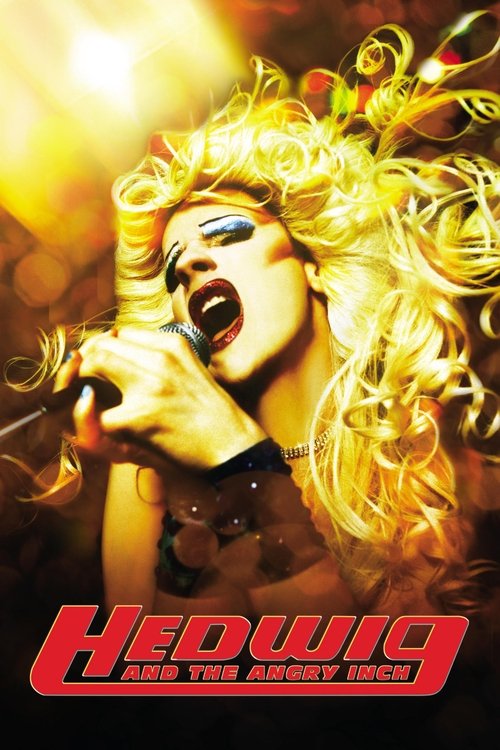
The film centers on a genderqueer experience that goes beyond the traditional gender binary. Hedwig's journey explores the complexities of transgender identity through a unique sense of self.
The film focuses on a romantic relationship between Elio and Oliver, highlighting their emotional and sexual intimacy with sensitivity and nuance.
The film explores same-sex intimacy deeply and emotionally, avoiding tragic clichés. It highlights the ability to act and depth of feelings in the central relationship.
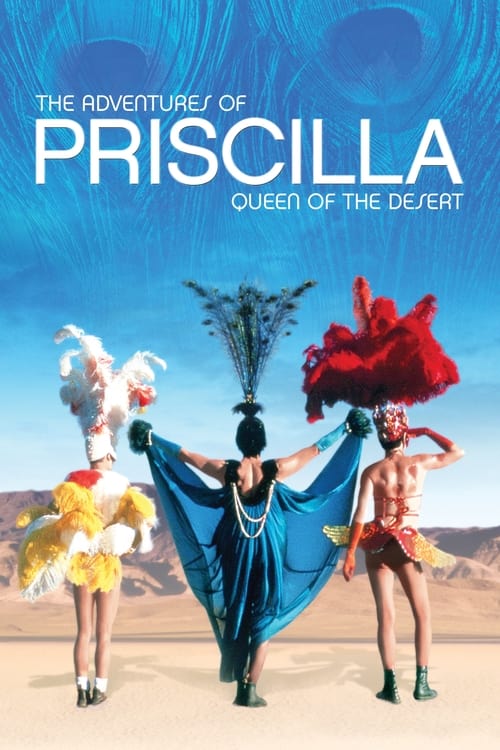
The film is groundbreaking for LGBTQ+ representation, featuring drag performers and a transgender woman as key figures driving the plot. It delves deeply into themes of gender performance and same-sex friendships, giving these characters substantial roles and ability to act.
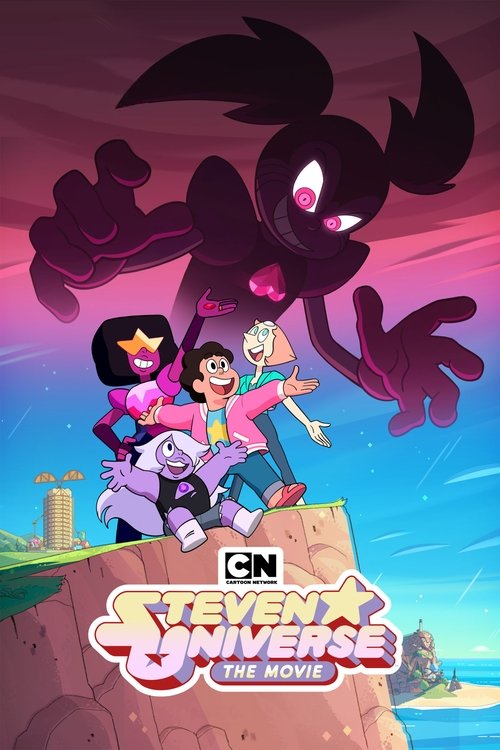
The film uses non-human Gems as powerful symbols for non-traditional gender identities and sexual orientations. It highlights identity fluidity and rejects strict, traditional assumptions about gender and sexuality, making queer and non-binary identities central to the story.
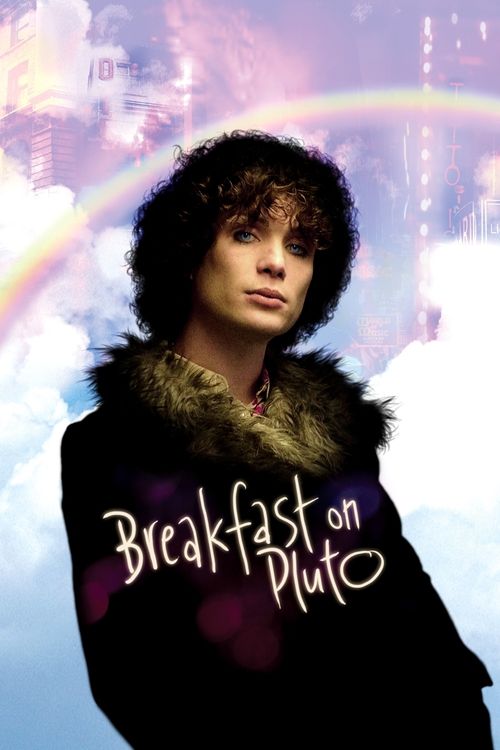
The film centers on a transgender protagonist named Pat/Kitten, exploring queer identity and survival in the 1970s. It challenges traditional assumptions about sexuality and gender without relying on clichés.
The film centers a profound, long-term queer relationship between Ennis and Jack. It goes beyond including someone from a minority group without giving them real depth to explore the emotional and physical intimacy of their bond while criticizing the systemic entrapment of the closet.
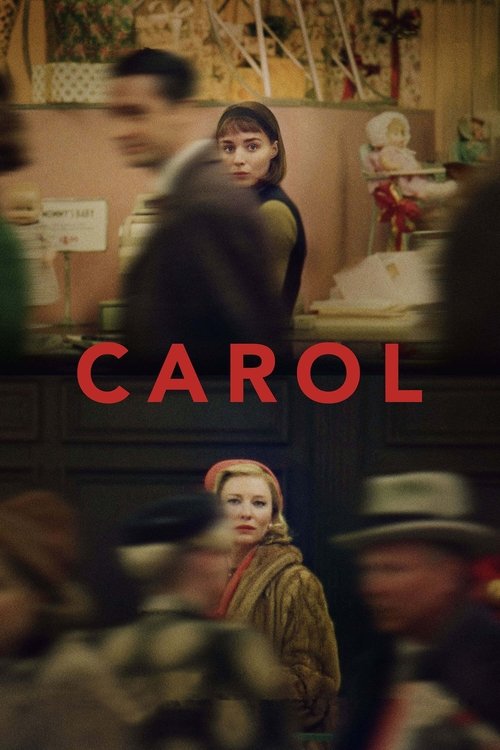
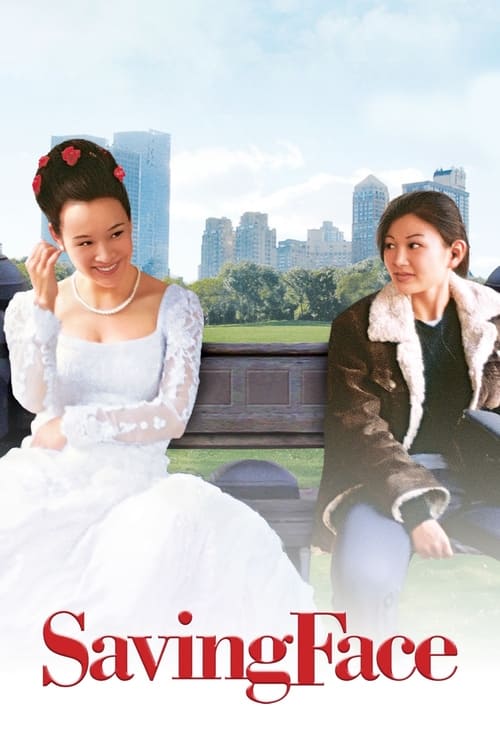
The film centers around a lesbian domestic partnership, treating queer identity as a normalized part of daily life rather than a source of conflict. Characters navigate their relationships with significant influence and control.
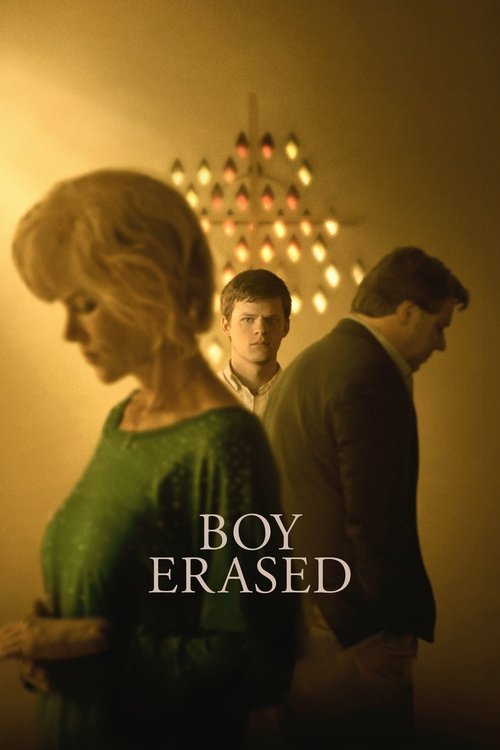
The film centers on a queer protagonist, exploring the psychological impact of societal pressure to conform to heterosexual norms. It also highlights the harmful effects of conversion therapy.
The film focuses on same-sex relationships as its main storyline rather than a side plot. Jasmine and Dallas play key roles, making their connection a deep exploration of identity and sexual awakening.
The film centers on a non-straight protagonist, exploring the psychological impact of hiding one's sexuality and the complexities of same-sex relationships during a restrictive time period.
The film includes a range of sexual orientations and gender expressions as key elements of the story. It challenges the idea that everyone is straight or cisgender by showing authentic same-sex relationships.
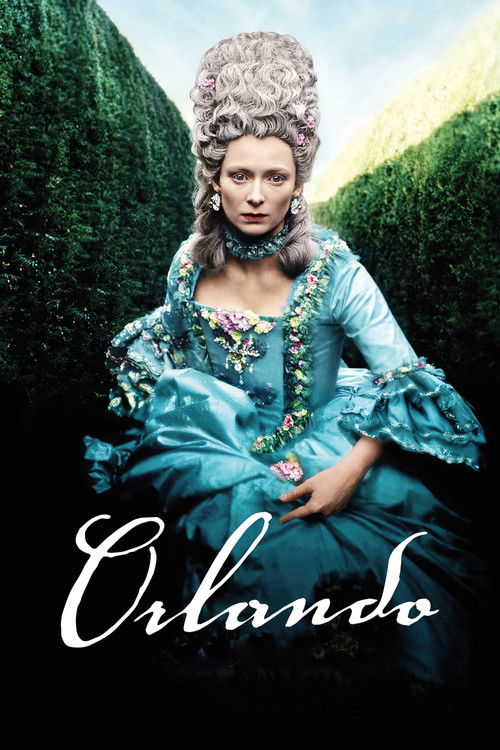
The film stands out for its depiction of gender fluidity through Orlando’s journey. It critically examines the rigid structures of gender and sexuality, presenting a nuanced view of attraction across the gender spectrum.
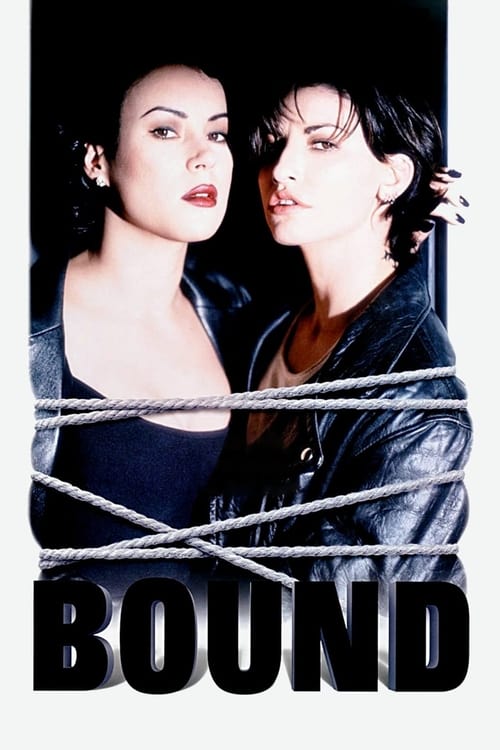
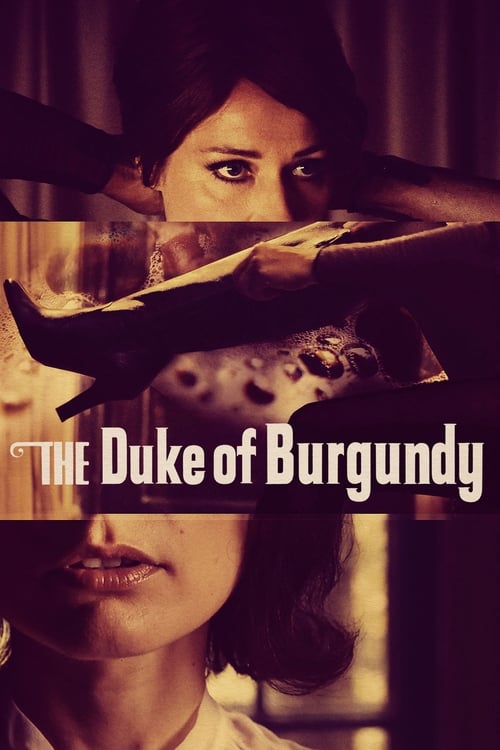
The film focuses deeply on a lesbian relationship, using power exchanges to explore the complexities of same-sex desire.
The film centers around a romantic relationship between two queer adolescents, Ste and Jamie, which drives the main storyline. It avoids the usual tragic clichés, focusing instead on the characters' emotional intimacy and personal growth.
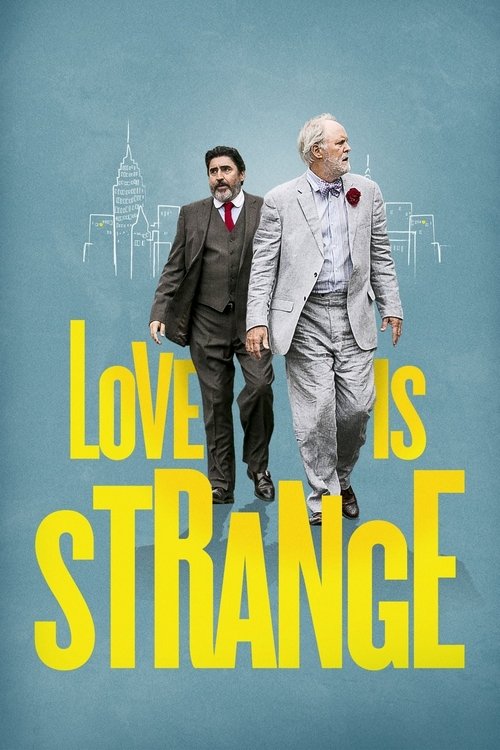
The film focuses on the everyday life of a long-term same-sex couple, avoiding typical storylines about coming out or past traumas. It treats their 39-year relationship as a fundamental part of their lives, not just a plot point.
The film centers its narrative on a romantic relationship between Omar and Stephen, who are both part of the LGBTQ+ community. This relationship is a key driver of the plot, challenging the assumption that everyone is straight or cisgender.
The film focuses on a romantic relationship between Wil and Vivian, highlighting the emotional complexities of maintaining authenticity within a supportive community.
The film focuses on the protagonist's journey towards accepting his queer identity. It uses fantasy sequences to explore non-traditional gender experiences and same-sex relationships.
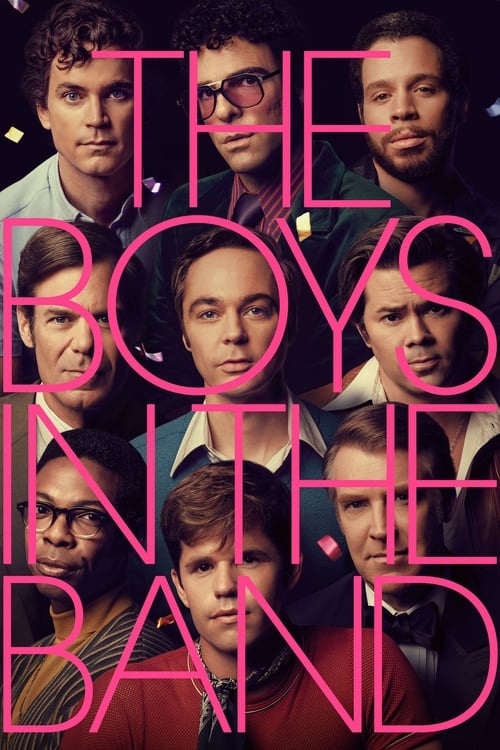
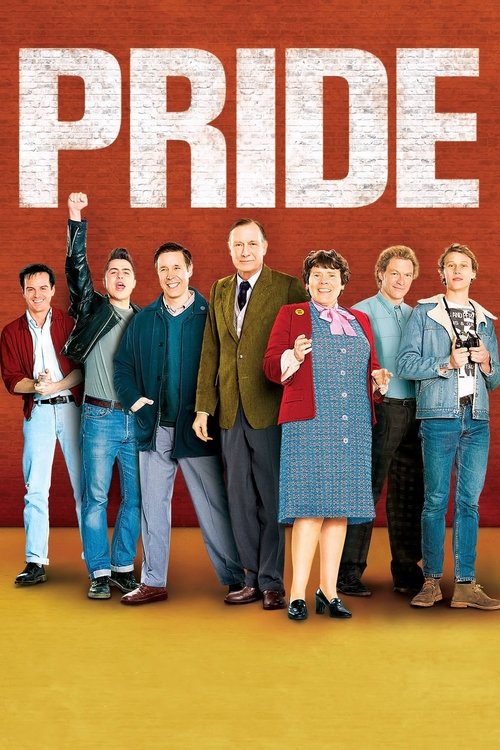
The film centers on LGBTQ+ activists who drive the plot through community organizing. It depicts same-sex relationships with organic nuance and critiques the societal structures of the 1980s.
The film focuses on non-straight relationships and identities, presenting a raw and nuanced portrayal of homoeroticism and the intersection of sexual identity with psychological trauma.
The film focuses on the romantic and sexual freedom of its female characters. It critiques the societal pressure to conform to traditional gender roles by showing how it stifles authentic self-expression.
The film focuses on a queer romantic relationship that explores intimacy and sexual awakening. It avoids typical romantic clichés, presenting a realistic portrayal within a traditionally straight-centered environment.
The film centers around a polyamorous triad, treating same-sex intimacy between Elizabeth and Olive as a foundational domestic element. This nuanced approach presents a functional, non-assuming gender matches what was assigned at birth ecosystem rather than a peripheral subplot.
The film focuses on Bobby Griffith's queer identity, going beyond including someone from a minority group without giving them real depth. It examines the psychological impact of living in a restrictive environment and offers a critical look at societal expectations for straight relationships.
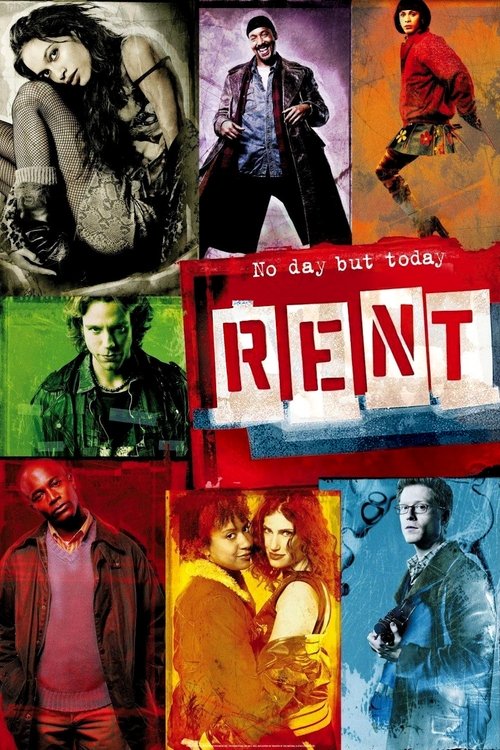
Queer identities play a central role in the emotional journey of the film. Non-traditional relationships, such as those between Angel and Collins, are validated, highlighting the lived experiences of the HIV/AIDS crisis.
The film centers on a same-sex romantic relationship, offering a sophisticated and normalized portrayal of queer intimacy. It avoids tired clichés like coming-out struggles, focusing instead on the everyday reality of such relationships.
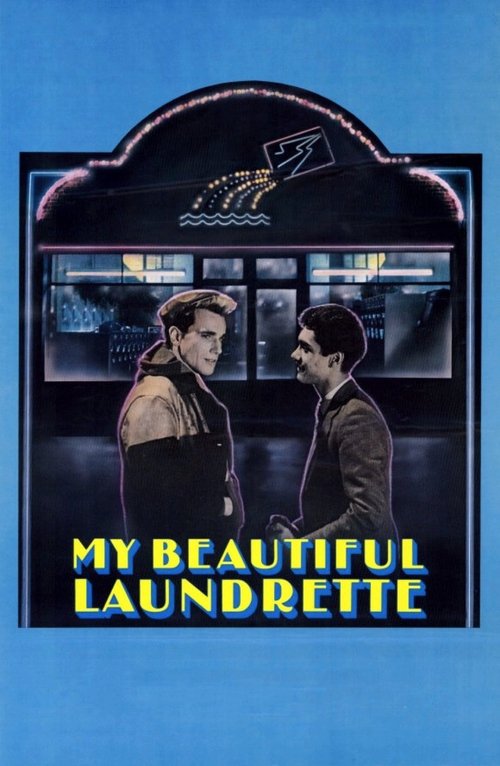
The film focuses on the experiences of gay men, using queer subcultures as the main driving force of the story. It highlights the roles of characters dealing with social exclusion and non-straight norms.
The film centers the romantic relationship between Anik and Michele, which drives both the emotional core and the plot forward. This same-sex intimacy is crucial to the story's development.
The film centers entirely on a transgender woman, making her identity the heart of the story. It avoids spectacle, instead exploring the nuances of her existence and the social friction caused by her transition.
The film focuses on a long-term same-sex romantic relationship rather than a coming-out storyline. It presents a respectful portrayal of queer intimacy and the shared trauma of the HIV/AIDS epidemic.
The film centers around non-straight identities, focusing on protagonists who navigate a lifestyle defined by chaotic, identity-driven choices rather than mainstream assimilation.
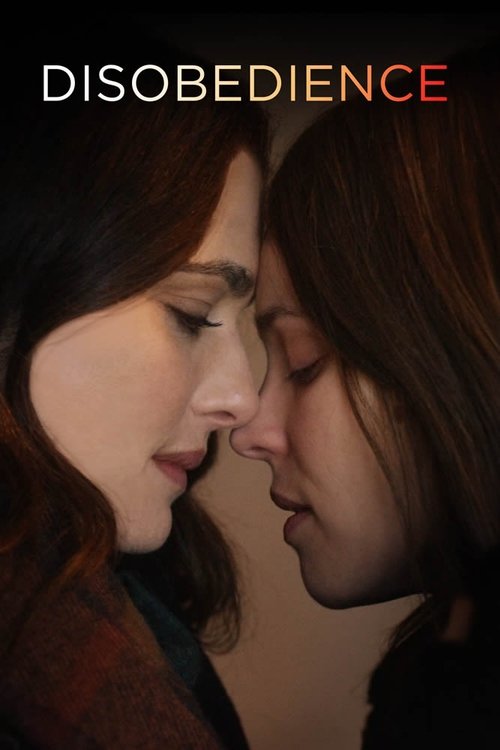
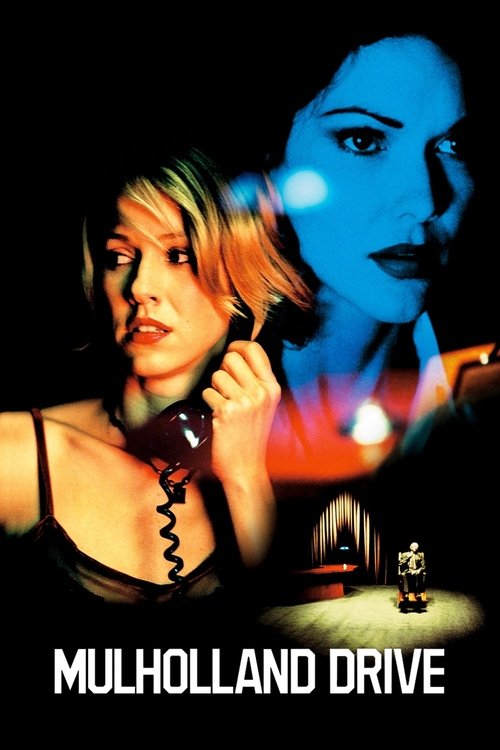
The film focuses on same-sex desire and romantic obsession between two female leads, going beyond mere including someone from a minority group without giving them real depth. Its narrative structure centers around queer relationships and intimacy.
The film focuses on the queer experience, giving the protagonist significant emotional depth. It delves into digital intimacy and the complexities of coming out within a non-straight-focused context.
The film focuses on a gay protagonist, delving into the psychological impacts of his queer identity. His past relationship with another man serves as the foundation for his grief and isolation.
The film gives significant control to its queer protagonist, making his identity and health status central to the story. It also offers a nuanced look at same-sex intimacy and emotional support through a domestic partnership.
The film centers on a non-cisgender identity, making queer necessity the primary driver of the plot. The emotional bond between Sonny and Leon challenges traditional domestic relationships and places a underrepresented identity at the heart of the story.
The film highlights Frida Kahlo's bisexuality, showing her relationships with women as integral to her identity rather than as secondary plot points.
The film uses the transition from black-and-white to color as a symbol for queer identity. Same-sex attraction is a key driver for the story's transformation rather than a minor subplot.
The film focuses on a deep, long-lasting relationship between two men, moving beyond token representation to explore the complexities of same-sex intimacy and devotion. This connection serves as the primary driver of character development and growth.
The film centers on the emotional depth of a long-term same-sex partnership, exploring the profound impact of grief and domestic intimacy. It validates queer love through the lens of profound loss and everyday life.
The film focuses on same-sex attraction and the complexities of queer intimacy. It avoids reducing LGBTQ+ identities to mere plot devices, instead breaking down traditional love triangles to highlight non-straight relationships.
No same-sex couples or non-heteronormative identities appear. Male bonding is strictly physical combat and hierarchy.
No LGBTQ+ characters, relationships, or themes appear. Arthur’s connections are strictly heterosexual or familial.
No same-sex couples, romantic partners, or non-binary characters appear. The film features no queer dialogue, intimacy, or identity markers.
No LGBTQ+ characters, same-sex relationships, or queer identities appear in the film. The narrative focuses entirely on mutant status, familial bonds, and survival in a dystopian future.
No LGBTQ+ characters, same-sex romance, or gender-nonconforming identities appear on screen. All relationships are strictly platonic, fraternal, or hierarchical between male soldiers, civilians, and officers.
The film focuses on masculine combat bonds and does not depict any queer identities or subtext.
The film does not include any LGBTQ+ characters or non-straight relationships. The 1960s setting is portrayed through a strictly heterosexual lens without challenging these norms.
The film does not include any LGBTQ+ characters or explore non-cisgender identities. The narrative focuses solely on the protagonist's survival without addressing queer identities.
The film does not include any non-straight or non-cisgender identities and does not challenge the assumption that everyone is straight or cisgender.
The film focuses on a strictly heterosexual and cisgender nuclear family. There are no visible LGBTQ+ characters or non-cisgender identities present.
The film does not include any LGBTQ+ characters or non-cisgender identities. It focuses on a world dominated by hyper-masculine, heterosexual characters.
The film does not include any LGBTQ+ characters or explore non-straight relationships. The story centers on the survival dynamics between two main figures.
The film does not include any LGBTQ+ characters or narratives. The story centers around the relationship between the main characters and the criminal underworld.
The film follows a traditional framework that assumes everyone is straight or cisgender. There are no depictions of same-sex relationships or non-cisgender identities.
The film does not engage with LGBTQ+ themes or non-straight identities. The social landscape is shown through a strictly traditional lens.
The film focuses entirely on straight relationships and traditional masculine bonding. There is no presence of non-straight identities or queer narratives.
The film does not include any representation of LGBTQ+ identities or non-straight relationships. The story focuses solely on heterosexual relationships.
The film focuses on heterosexual relationships and does not include any LGBTQ+ identities or same-sex intimacy.
The film does not include any LGBTQ+ characters or explore non-straight relationships.
The film does not include any LGBTQ+ characters or non-straight relationships. The story centers around traditional heterosexual relationships involving the Driver and Irene.
The film does not include any LGBTQ+ characters or explore non-heterosexual identities. The story focuses solely on the protagonist's survival and spiritual journey.
The story focuses on straight relationships and does not include any LGBTQ+ identities or narratives.
There are no visible LGBTQ+ characters or narratives in the film, which centers on a heterosexual relationship.
The film does not include any LGBTQ+ characters or non-straight relationships. It centers on a traditional family structure without challenging typical heterosexual relationships.
The film does not include any queer identities or non-straight relationships. The social setting is portrayed through a strictly heterosexual lens.
The film does not include any LGBTQ+ characters and focuses on a traditional marriage structure.
The film does not include any LGBTQ+ characters or explore non-traditional sexual or gender identities. Emotional journeys are focused on conventional family and romantic relationships.
The film does not include any representation of LGBTQ+ or non-cisgender identities. It focuses solely on cisgender, heterosexual relationships without challenging traditional romantic structures.
The film operates within a strictly straight-focused framework. It centers entirely on the traditional romantic bond between the protagonist and his partner, offering no queer dynamics.
The film does not include any LGBTQ+ characters or non-assuming gender matches what was assigned at birth identities. It focuses solely on a cisgender, heterosexual romantic relationship.
There are no LGBTQ+ characters or non-straight relationships in the film. The story focuses on the relationship between apes and humans.
The film does not include any queer subtexts or non-assuming gender matches what was assigned at birth identities. It focuses on survival within the strict societal norms of the 19th-century South.
The film does not include any LGBTQ+ characters. The story focuses solely on the protagonist's predatory ambitions and his professional relationship with Nina.
The film does not include any LGBTQ+ characters and does not explore non-straight identities. The story stays within a framework that assumes everyone is straight.
The film does not include any LGBTQ+ characters or explore non-cisgender identities. The social setting is focused on a male-dominated criminal world.
The film is set within a hyper-masculine military environment that assumes everyone is straight. There are no LGBTQ+ characters or diverse gender identities represented.
The film does not include explicit LGBTQ+ characters or stories focused on non-cisgender identities. While the metaphysical setting avoids assumptions about straight relationships, there are no specific markers of queer identities.
The film follows a traditional romantic storyline without featuring any non-straight or non-cisgender identities. It doesn't challenge the assumption that everyone is straight or cisgender.
The film focuses solely on a heterosexual couple and does not include any LGBTQ+ identities or narratives that question traditional romantic structures.
The story follows a strictly heterosexual and cisgender perspective, with no representation of LGBTQ+ identities or relationships.
The film does not include any LGBTQ+ characters or stories that challenge traditional relationship structures.
The film does not include any LGBTQ+ characters or narratives. Relationships are confined to traditional heterosexual and family dynamics.
The film adheres to a structure that assumes everyone is straight or cisgender, with no depiction of queer identities or subtext suggesting otherwise.
The film adheres to traditional norms, focusing on a straight couple's failing marriage. It doesn't include any non-binary or transgender characters or challenge traditional views.
The film focuses on the domestic and professional lives of its protagonists within the social realities of the early 1960s. It does not include LGBTQ+ characters or explore queer identities.
The film does not include any LGBTQ+ characters and does not explore non-straight identities. Relationships and social structures are centered around heterosexual norms.
The film does not include any LGBTQ+ characters or explore queer themes. The story focuses solely on heterosexual relationships and does not address any LGBTQ+ issues.
The film does not include any LGBTQ+ characters or explore non-straight relationships. The interpersonal dynamics center around a traditional heterosexual couple.
The film follows a path that assumes everyone is straight and cisgender, focusing on the temporary romance between the protagonist and Tracy. There are no characters with diverse gender identities or sexual orientations, nor are there any critiques of the assumption that everyone is straight.
The film does not include any visible LGBTQ+ characters or non-assuming gender matches what was assigned at birth identities.