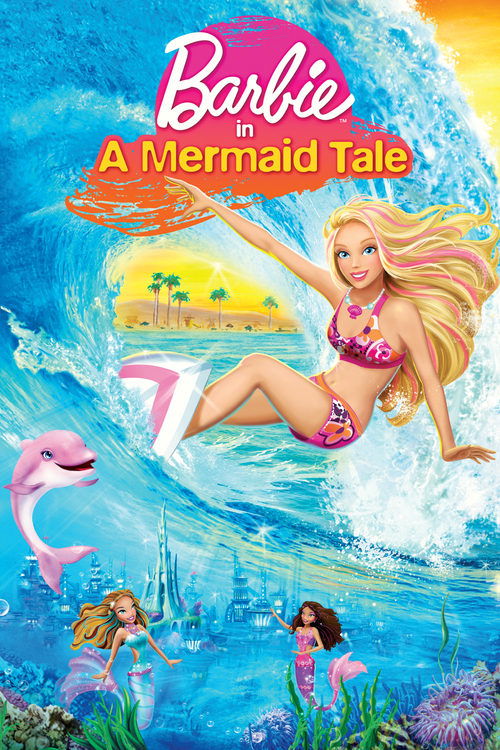
Barbie in A Mermaid Tale
2010
No user ratings available yet
Representation score: 3.8 out of 10
Representation Score
Limited
1989
GDirector
John Musker, Ron Clements
Runtime
83 minutes
Average Rating
No ratings yetNew Showbiz Analysis
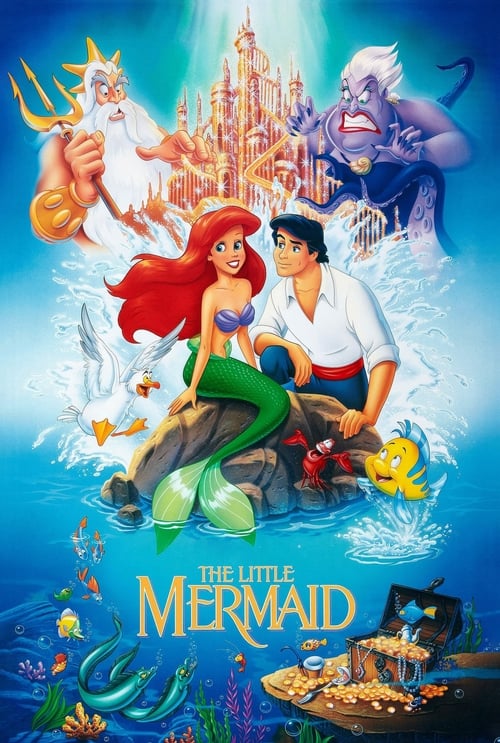
The Little Mermaid is a quintessential example of traditionalist fairy-tale storytelling. It relies heavily on established archetypes and restorative arcs that validate conventional social hierarchies rather than challenge them. The narrative prioritizes heterosexual romance and Eurocentric human archetypes. While Ariel is a proactive protagonist, her actions are ultimately focused on a traditional romantic pursuit, reinforcing existing gender roles. Ultimately, the film lacks intentionality regarding diverse identities. It functions as a classic specimen of the Disney Renaissance, focusing on universalized Western clichés rather than systemic subversion.
Category Breakdown
The film follows a strictly heterosexual storyline, with no representation of LGBTQ+ identities. The central plot revolves around the romance between Ariel and Prince Eric, without any queer characters.
Ariel actively makes choices, but her goals are centered on romantic relationships. The film fails the Bechdel test and reinforces traditional gender roles between Triton and Ariel.
The human characters are depicted through a homogeneous, Eurocentric lens. The human world is presented as a culturally monolithic Western archetype without any ethnic diversity.
The story reinforces traditional Western values, framing romantic love as the primary catalyst for change. It operates within a moral binary rather than critiquing systemic or institutional structures.
There is no explicit depiction of physical or neurodivergent disabilities. While Ariel's curiosity is intense, disability is not integrated into any character's identity or actions.
Present on Screen
Limited or Absent
Official Synopsis
This colorful adventure tells the story of an impetuous mermaid princess named Ariel who falls in love with the very human Prince Eric and puts everything on the line for the chance to be with him. Memorable songs and characters -- including the villainous sea witch Ursula.
2010
2006
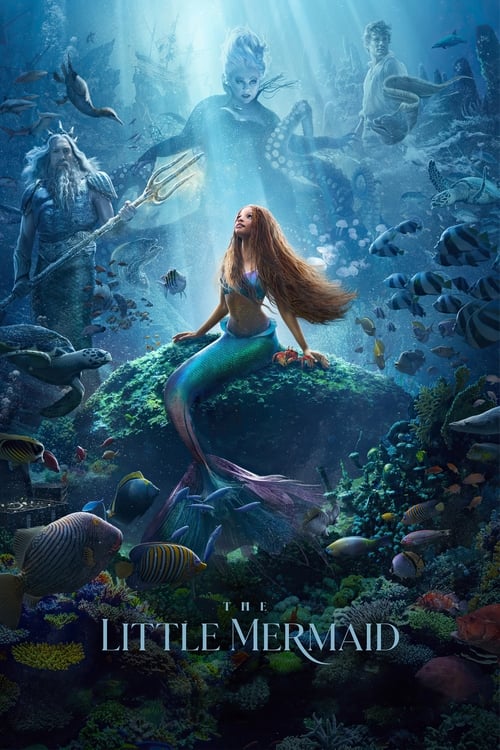
2023

2003
1994
2005
1992
2007
No reviews yet. Be the first to share your thoughts on this movie!
Use the rating form above to leave a star rating and optional review.