
11.25 The Day He Chose His Own Fate
2012
No user ratings available yet
Representation score: 4.4 out of 10
Representation Score
Good
1985
RDirector
Paul Schrader
Runtime
121 minutes
Average Rating
No ratings yetNew Showbiz Analysis
Paul Schrader’s film is a sophisticated deconstruction of Western hegemony. It prioritizes the complexity of the 'other' by rejecting standardized heroic clichés in favor of a highly stylized, subjective exploration of ritual and political rebellion. The narrative succeeds by framing identity through a post-colonial lens, offering a critique of the spiritual emptiness found in imported capitalist structures. This approach allows for a nuanced study of cultural integrity. However, the film lacks focus on women's ability to drive the story and does not address disability. While it explores non-straight-centered desire, it does so through a specific, stylized lens of aesthetic obsession rather than traditional romantic narratives.
Category Breakdown
The film explores queer aesthetics through its focus on the male form and subtle homoerotic themes. It uses stylized reenactments to examine desires that go beyond traditional heterosexual norms and the tension between intellectual and physical masculinity.
The narrative challenges conventional masculinity by contrasting the effeminate intellectual with the strong warrior. While the film doesn't center on women's ability to drive the story, it subverts gender hierarchies through a performance that questions the ideal of a warrior.
This work offers a deep exploration of Japanese identity amid post-colonial tensions. It critiques Anglo-centric cultural dominance by framing the protagonist's journey as a resistance to Western influence and modern capitalist structures.
The film excels in criticizing Western institutions and consumerist capitalism. It uses moral relativism to frame radical political actions and ritual suicide through a lens of philosophical and aesthetic inquiry.
The film does not provide significant or central depictions of physical or neurodivergent disabilities.
Present on Screen
Limited or Absent
Official Synopsis
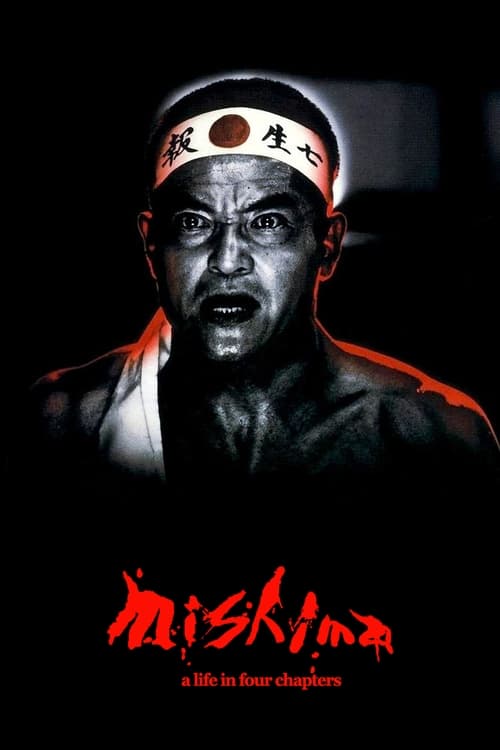
A fictional account of the life of Japanese author Yukio Mishima, combining dramatizations of three of his novels and a depiction of the events of November 25th, 1970.
2012
1954
1991
1952
1982

1982
1977
1996
No reviews yet. Be the first to share your thoughts on this movie!
Use the rating form above to leave a star rating and optional review.