The Order
2003
No user ratings available yet
Representation score: 5.3 out of 10
Representation Score
Fair
1986
RDirector
Jean-Jacques Annaud
Runtime
130 minutes
Average Rating
No ratings yetNew Showbiz Analysis
The film highlights a contrast between its lack of diversity and its intellectually progressive themes. Though it doesn't offer much racial or gender diversity, it excels in challenging oppressive institutions. Its strength lies in exploring hidden identities and critiquing religious dominance. However, the historical context confines the story to a male-dominated society, limiting broader social representation.
Category Breakdown
The film uses hints of same-sex attraction as a key part of its mystery. These feelings fuel tension and conflicts within the monastery.
The story is dominated by a male-run monastic system where women have little influence. Female characters are mostly side characters or victims, like the peasant girl.
The cast is nearly all white, reflecting a Western European population. There are no significant roles for non-white characters.
The film offers a strong critique of the Church and the Inquisition, showing these institutions as strict and oppressive rather than moral guides.
Characters with physical or mental issues are used mainly as plot devices or symbols of the harsh realities of the time. These characters lack meaningful roles.
Present on Screen
Limited or Absent
Official Synopsis
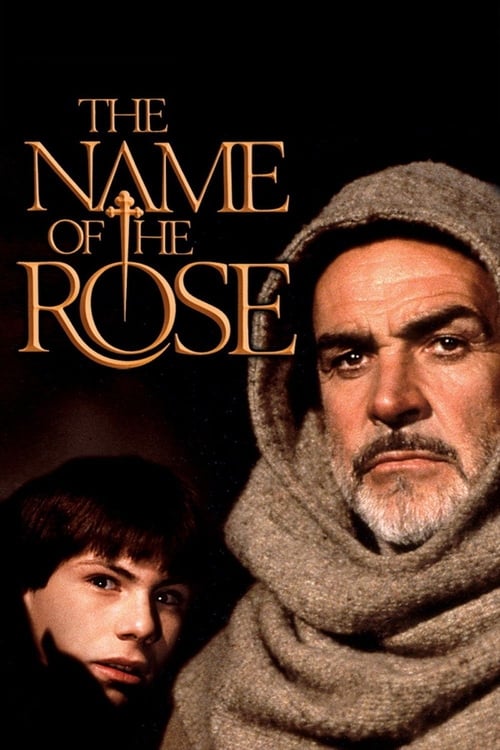
14th-century Franciscan monk William of Baskerville and his young novice arrive at a conference to find that several monks have been murdered under mysterious circumstances. To solve the crimes, William must rise up against the Church's authority and fight the shadowy conspiracy of monastery monks using only his intelligence; which is considerable.
2003
1953
2006
1985

2009
1945
1974
1983
No reviews yet. Be the first to share your thoughts on this movie!
Use the rating form above to leave a star rating and optional review.