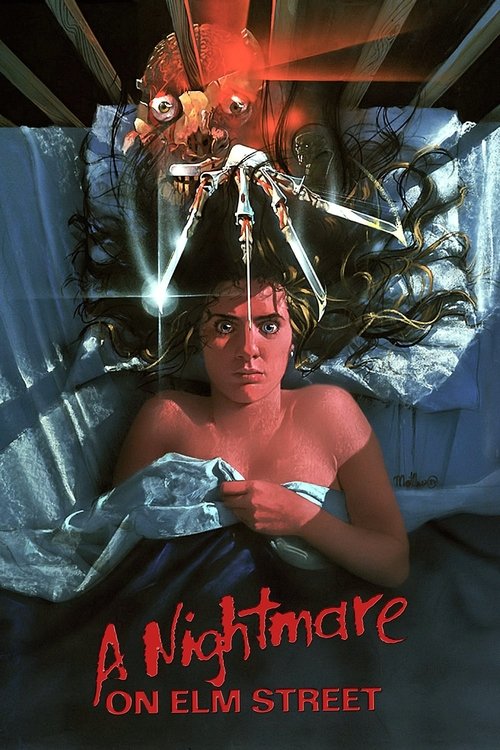
A Nightmare on Elm Street
1984
No user ratings available yet
Representation score: 4.7 out of 10
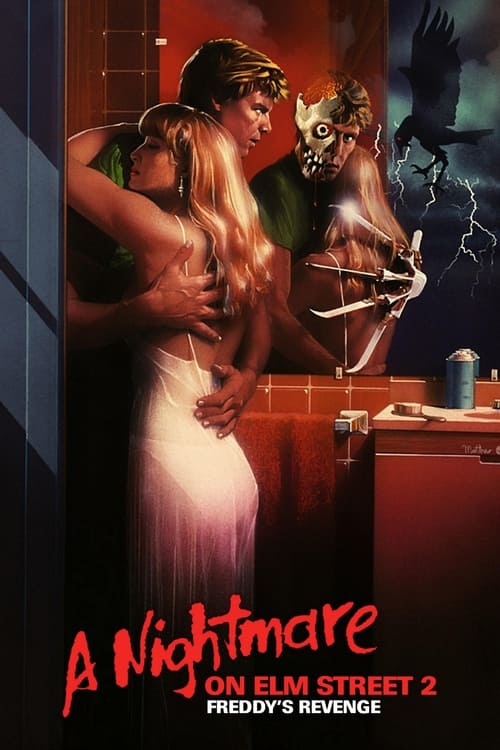
Representation Score
Good
1985
RDirector
Jack Sholder
Runtime
87 minutes
Average Rating
No ratings yetNew Showbiz Analysis
Freddy's Revenge stands out from typical slasher films through its psychological complexity and layered subtext. Despite its narrow demographic focus, the film uses horror to explore identity conflicts. The film excels in its sophisticated use of queer symbolism, employing possession as a metaphor for sexual awakening. This elevates the narrative beyond simple scare tactics into a deeper exploration of hidden identity. However, it remains constrained by the era's genre conventions. Its reliance on a homogeneous white cast and traditional gender roles limits its potential for a more diverse and subversive social critique.
Category Breakdown
The film uses Freddy's possession of Jesse to create a powerful metaphor for the intrusive nature of emerging non-straight desires and the fight for personal freedom.
Characters like Lisa and Tina play important roles, but they often fit into traditional stereotypes. The main conflict revolves around male autonomy, without significantly challenging gender roles.
The casting reflects the socioeconomic uniformity of 1980s suburban life. The cast is predominantly middle-class and white, reinforcing a narrow demographic as the norm.
The story criticizes the nuclear family by showing a breakdown in parental authority. However, it adheres to conventional moral frameworks without explicitly opposing religion.
Themes of psychological distress and trauma drive the horror scenes. These elements serve mainly as plot devices rather than deep explorations of mental health issues.
Present on Screen
Limited or Absent
Official Synopsis
A teenage boy is haunted in his dreams by deceased child murderer Freddy Krueger, who is out to possess him in order to continue his reign of terror in the real world.
1984
1988
1987
1989
1982
1975
1981
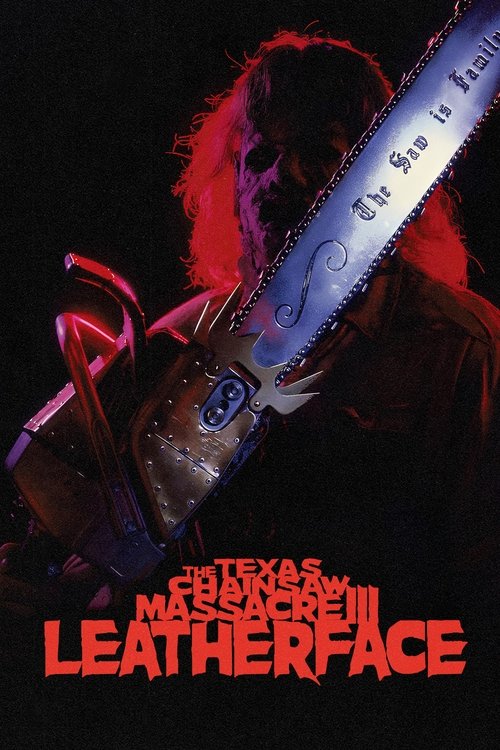
1990
No reviews yet. Be the first to share your thoughts on this movie!
Use the rating form above to leave a star rating and optional review.