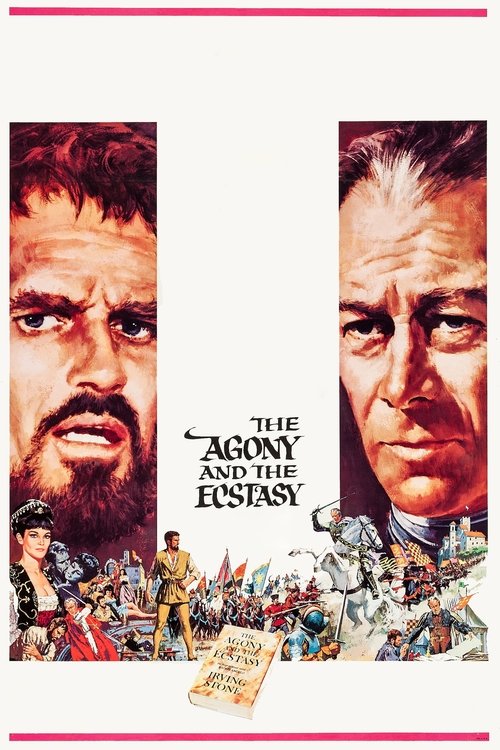
The Agony and the Ecstasy
1965
No user ratings available yet
Representation score: 1.2 out of 10
Representation Score
Limited
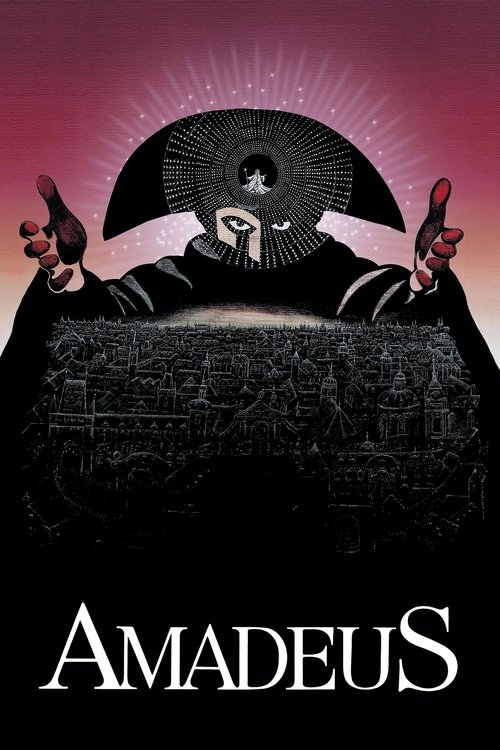
1984
PGDirector
Miloš Forman
Runtime
160 minutes
Average Rating
No ratings yetNew Showbiz Analysis
Amadeus excels in deconstructing institutional authority, particularly regarding religious and class-based hierarchies. It uses Mozart’s irreverent genius to challenge the rigid, oppressive structures of the Viennese aristocracy. However, the film is constrained by its historical setting, which limits racial and LGBTQ+ representation. The narrative is heavily centered on male-dominated intellectual struggles, leaving women in reactive roles. Ultimately, the film’s strength lies in its intellectual complexity and its critique of systemic unfairness, despite being bound by the social constraints of its period.
Category Breakdown
The film is set in the strict social confines of 18th-century Vienna. It explores deep psychological connections between men but does not include explicit depictions of non-traditional gender identities or same-sex relationships.
Women like Constanze Mozart play secondary roles, navigating the periphery of the central power struggles. The narrative focuses on male-dominated conflicts, leaving female characters with limited proactive roles and often reacting to patriarchal pressures.
The cast is predominantly white, reflecting the historical context of the Austrian Empire. The film does not incorporate diverse ethnic perspectives or casting actors from different backgrounds to challenge its traditional setting.
The film provides a critical look at religious authority and the perceived injustice of divine meritocracy. It highlights Mozart’s irreverence as a form of liberation from the rigid structures of the aristocracy.
No characters are defined by physical or neurodivergent disabilities. Instead, the film examines the psychological anguish of mediocrity and envy as existential conditions rather than specific identities.
Present on Screen
Limited or Absent
Official Synopsis
Disciplined Italian composer Antonio Salieri becomes consumed by jealousy and resentment towards the hedonistic and remarkably talented young Salzburger composer Wolfgang Amadeus Mozart.
1965
1973

2006
1964

1990
2000
1994
1986
No reviews yet. Be the first to share your thoughts on this movie!
Use the rating form above to leave a star rating and optional review.