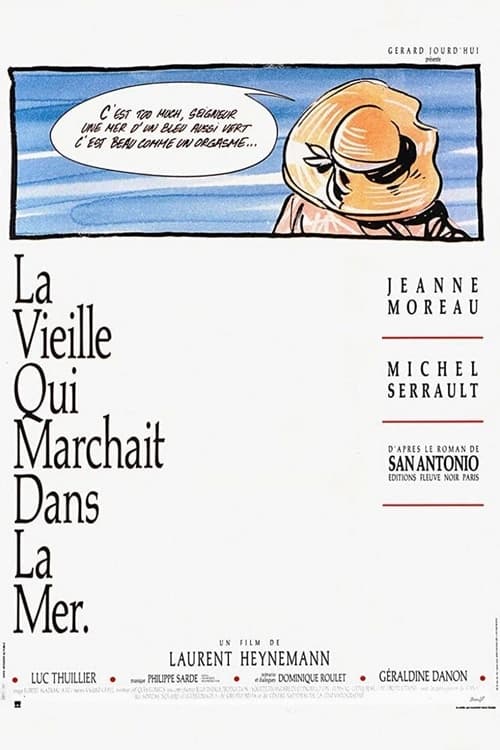
The Old Lady Who Walked in the Sea
1991
No user ratings available yet
Representation score: 3.5 out of 10
Representation Score
Fair
1986
Director
Bertrand Blier
Runtime
84 minutes
Average Rating
No ratings yetNew Showbiz Analysis
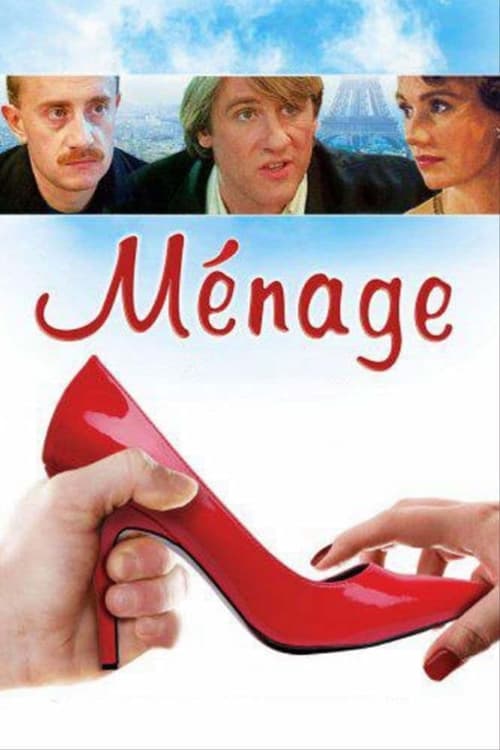
Ménage is a thought-provoking exploration of social norms that effectively challenges traditional relationship structures. By featuring a bisexual protagonist, the film successfully questions the stability of the nuclear family and conventional monogamy. However, the film's impact is constrained by a lack of ethnic diversity. Its narrative remains firmly set in a homogeneous European context, offering limited representation outside of a white, urban demographic. Ultimately, the film's strength lies in its intellectual defiance of societal norms. It shifts from traditional morality to a landscape of personal desire and shifting interpersonal dynamics.
Category Breakdown
Bob, the protagonist, is openly bisexual and his identity helps create a non-traditional relationship that challenges traditional expectations and the idea of strict monogamy.
The film breaks down traditional male dominance by showing the breakdown of a husband's control over his home. Fluid power dynamics emerge from shared criminal activities and sexual involvement.
The film focuses mainly on a white, urban European setting with no apparent ethnic diversity among the main characters or supporting cast.
The story presents infidelity and crime as means of liberation, viewing marriage and domestic life as confining structures that characters must overcome to gain independence.
The film does not focus on visible or invisible disabilities. Characters are defined by their sexual and social independence rather than physical or neurological differences.
Present on Screen
Limited or Absent
Official Synopsis
A bisexual petty criminal named Bob encounters a married couple arguing in a bar. Bob breaks up the fight and proceeds to seduce first the wife and then the husband. Then Bob teaches the couple how to be burglars and they join him in his criminal exploits.
1991

1974

1967
1973

1976

1986

1994
1994
No reviews yet. Be the first to share your thoughts on this movie!
Use the rating form above to leave a star rating and optional review.