Arrietty
2010
No user ratings available yet
Representation score: 6.0 out of 10
Representation Score
Fair
1988
GDirector
Hayao Miyazaki
Runtime
86 minutes
Average Rating
No ratings yetNew Showbiz Analysis
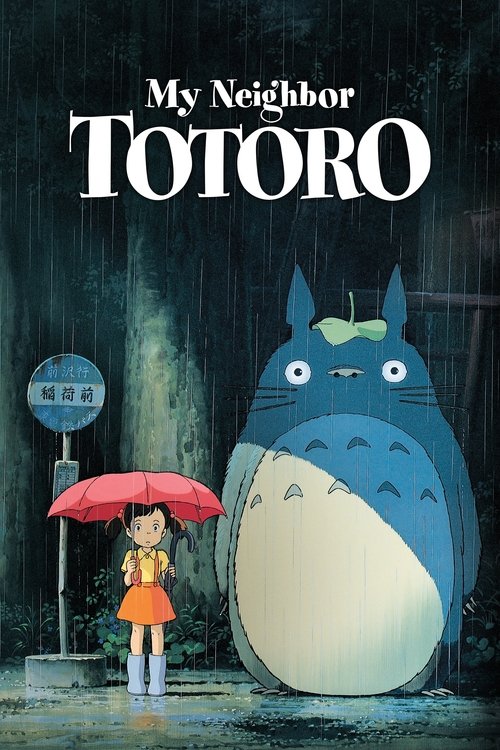
My Neighbor Totoro stands out by centering the ability to act and emotional intelligence of its young female protagonists. By placing the plot's driving force within Satsuki and Mei, the film challenges traditional gender roles and avoids typical hero-centric clichés. The film provides a sophisticated, non-Western perspective on the relationship between humans and nature. Its focus on animism adds spiritual depth that counters industrial and human-centric views of the world. However, the narrative remains culturally uniform and lacks LGBTQ+ representation. While it handles illness with nuance, the social diversity is limited to a traditional family structure.
Category Breakdown
The film does not include any LGBTQ+ characters or explore non-straight relationships. It focuses on a traditional family structure without any queer themes.
The narrative centers around two young girls, Satsuki and Mei. Satsuki plays a significant role in both household duties and emotional support, challenging the stereotype of passive children.
The setting is a culturally uniform Japanese countryside. It offers an authentic look at rural Japanese life without showcasing diverse ethnic backgrounds.
The story emphasizes animism and a spiritual bond with nature. It portrays forest spirits as sentient beings, which contrasts with Western views of the environment.
Chronic illness is addressed through the mother's condition. Her health issues serve as a catalyst for the family's move and the children's growth.
Present on Screen
Limited or Absent
Official Synopsis
Two sisters move to the country with their father in order to be closer to their hospitalized mother, and discover the surrounding trees are inhabited by Totoros, magical spirits of the forest. When the youngest runs away from home, the older sister seeks help from the spirits to find her.
2010

1957
2001
2022

1989
2012

2008

1997
No reviews yet. Be the first to share your thoughts on this movie!
Use the rating form above to leave a star rating and optional review.