Boys Don't Cry
1999
RNo user ratings available yet
Representation score: 9.8 out of 10
These lists use approved LGBTQ+ representation scores for crime films that have written notes. Highest-scoring films are those whose notes describe more on-screen LGBTQ+ representation. Lowest-scoring films are those whose notes describe little or none. Neither list is a quality ranking.
The film centers its entire narrative on a transgender man, exploring trans masculinity and romantic intimacy with profound depth. It avoids treating identity as a subplot and instead places it at the core of the story.
The film focuses on a transgender woman and her partner, a trans man, highlighting their relationship within a romantic and domestic context. This portrayal normalizes trans identities and challenges traditional heterosexual norms.
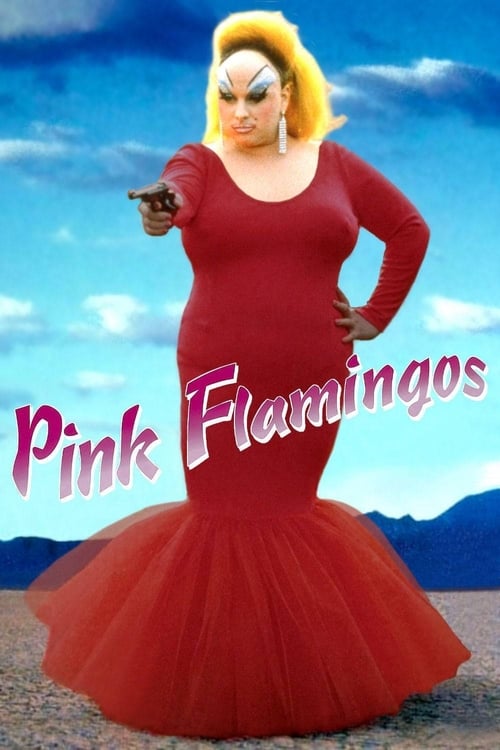
This film stands as a seminal text in queer cinema, using camp aesthetics to challenge straight-centered expectations. It centers characters who exist entirely outside conventional sexual or gender norms.
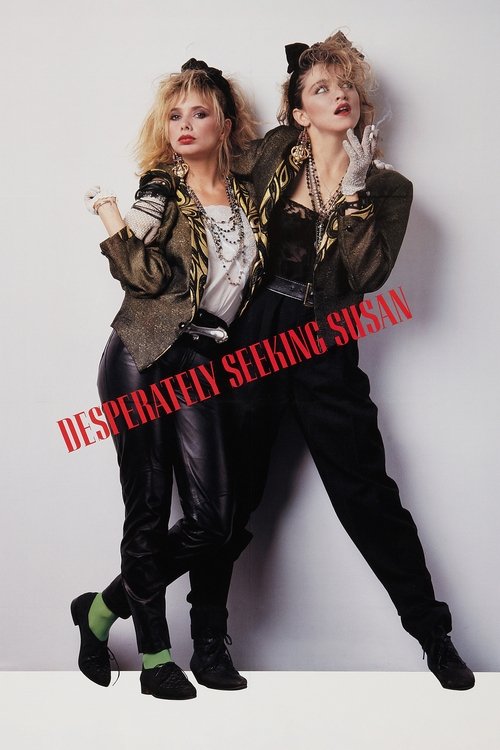
The film centers around non-straight identities, focusing on protagonists who navigate a lifestyle defined by chaotic, identity-driven choices rather than mainstream assimilation.
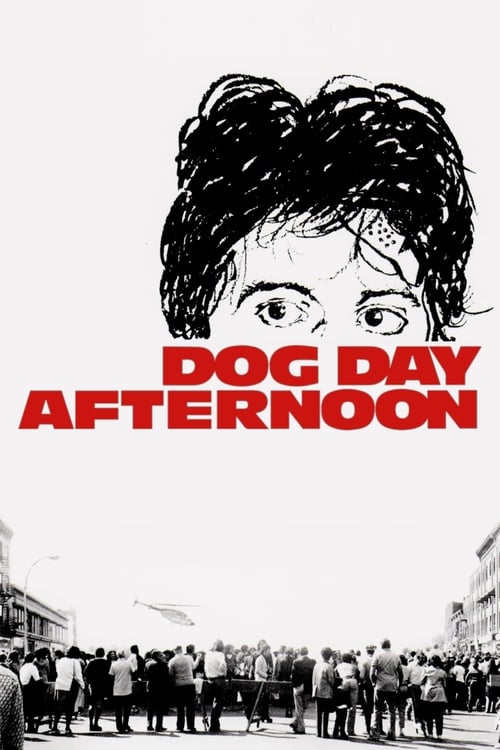
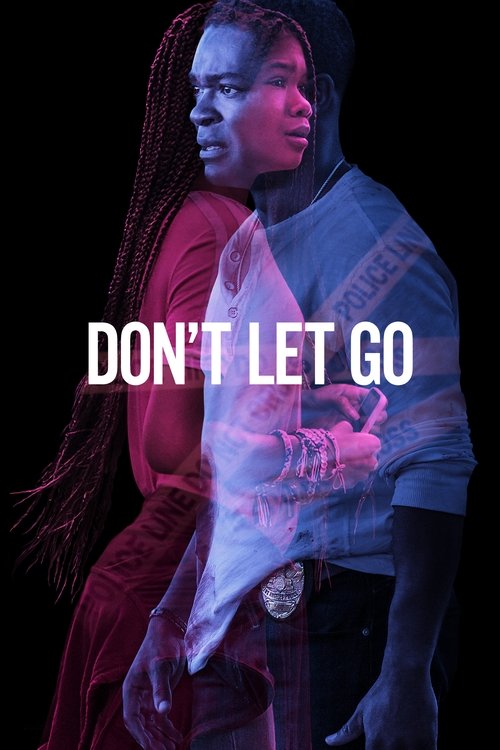
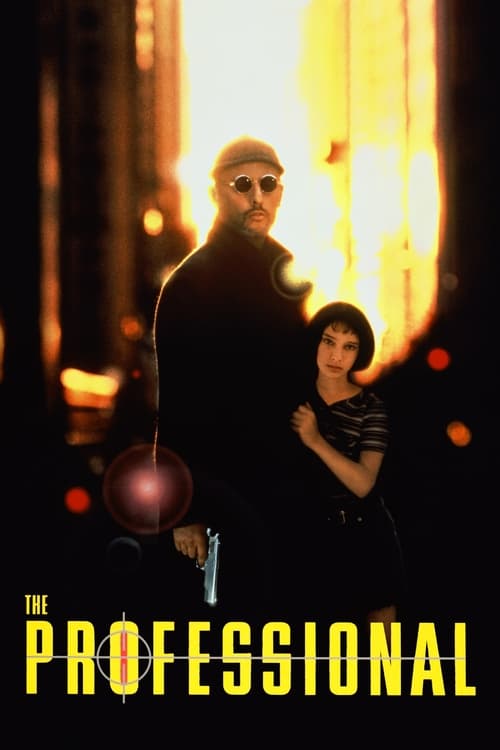
The film centers on a non-cisgender identity, making queer necessity the primary driver of the plot. The emotional bond between Sonny and Leon challenges traditional domestic relationships and places a underrepresented identity at the heart of the story.
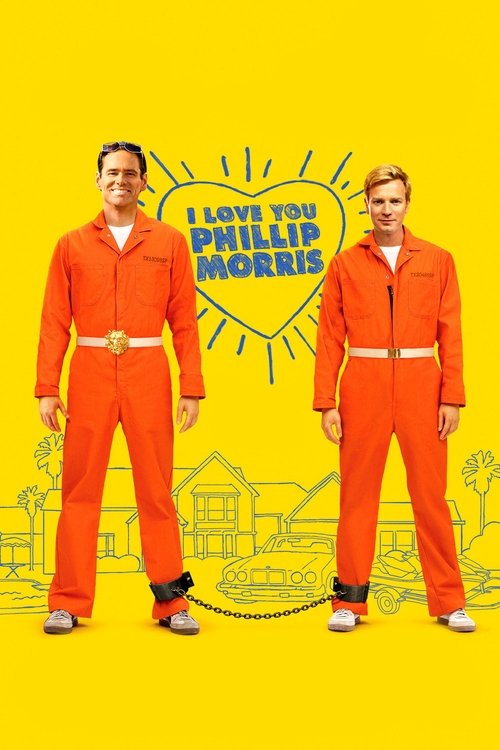
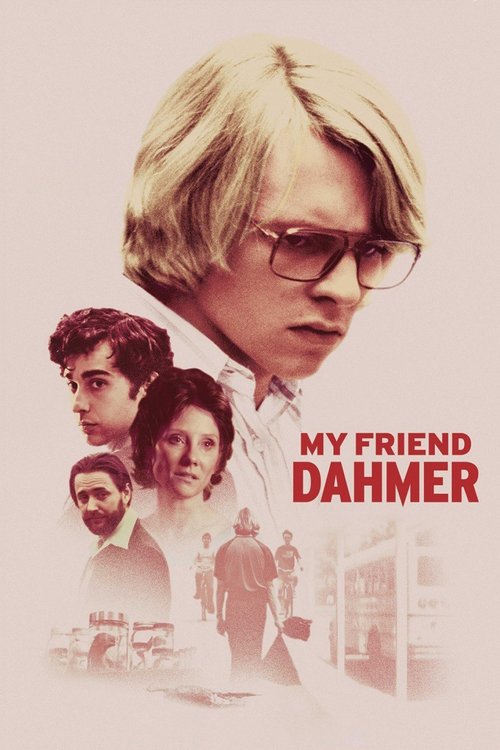
The film focuses on a deep, long-lasting relationship between two men, moving beyond token representation to explore the complexities of same-sex intimacy and devotion. This connection serves as the primary driver of character development and growth.
The film centers a transgender experience within its core narrative, moving beyond including someone from a minority group without giving them real depth to integrate queer identity into the protagonist's psychological and romantic journey.
The film celebrates queer camp aesthetics and non-traditional gender presentations. It uses these elements to critique conventional standards of beauty and behavior.
The film centers on Tom Ripley's obsessive, homoerotic attraction to Dickie Greenleaf. This queer subtext drives the protagonist's psychological descent and subsequent crimes.
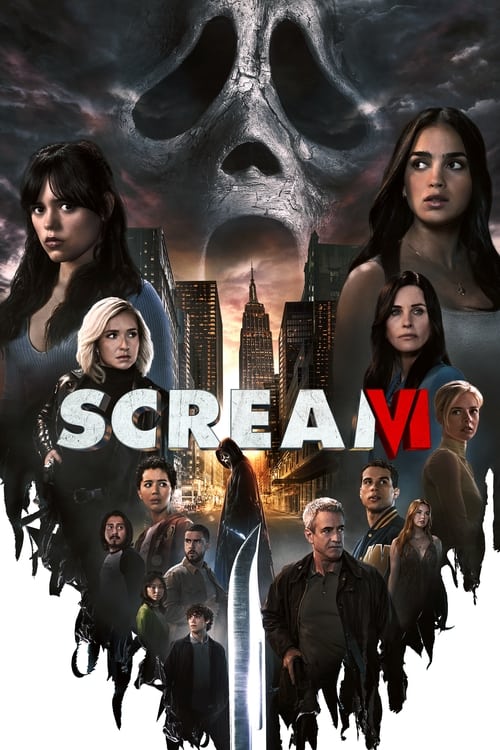
Sam Carpenter's queer identity is central to her character development and psychological tension. Her identity is woven into the main storyline about her lineage and inherited trauma, rather than being a secondary element.
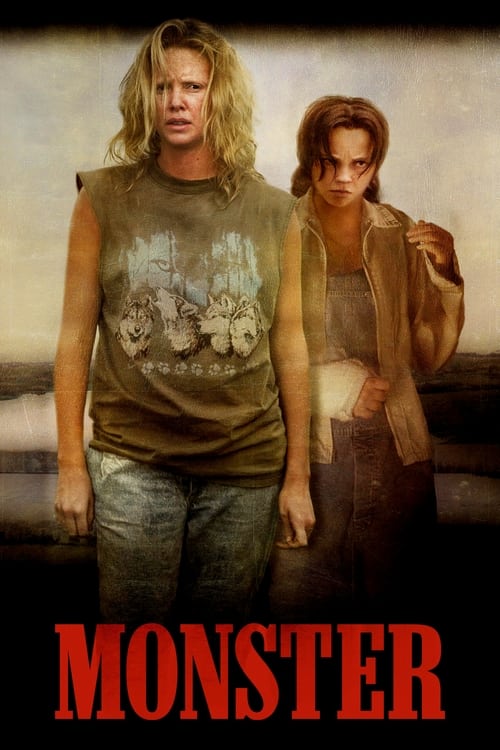
The film highlights the romantic and emotional bond between Aileen and Selby, which serves as a catalyst for the plot. This relationship goes beyond being a token LGBTQ presence, delving into how their connection shapes both stability and tragedy.
The film centers its narrative on the grief following a romantic relationship between two men. By making this relationship the emotional foundation, it validates queer mourning as a critical part of the plot.
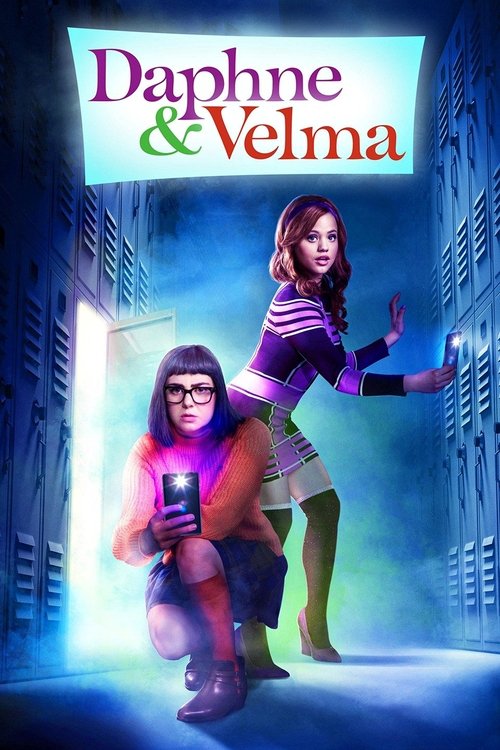
The film reimagines the bond between Daphne and Velma through a queer lens. It moves beyond including someone from a minority group without giving them real depth by integrating non-straight identities into the characters' core emotional arcs.
Deadpool's portrayal challenges traditional superhero clichés by disrupting rigid masculine ideals without needing explicit romantic plotlines. His meta-commentary on the genre shakes up conventional expectations.
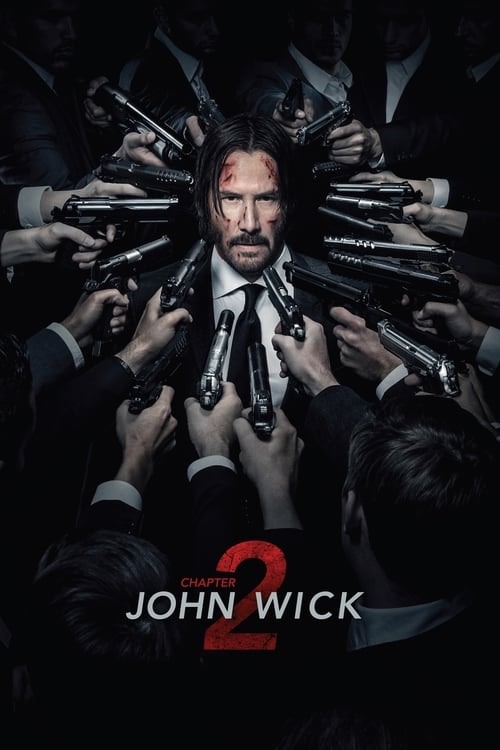
The film includes the character Santino D'Antonio, who identifies as non-binary. This inclusion challenges the assumption that everyone is straight or cisgender, embedding gender diversity directly into the high-stakes power dynamics of the assassin guild.
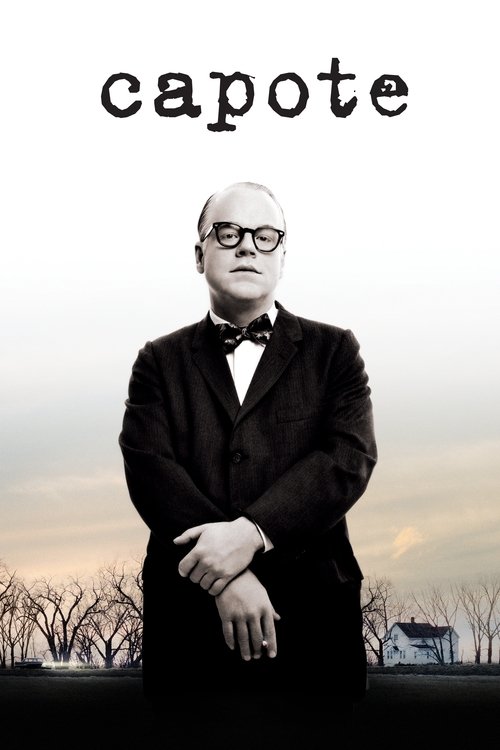
The film focuses on Truman Capote's experiences as a gay man in the late 1950s. It avoids clichés and uses subtle mannerisms and social positioning to illustrate queer identity.
The film includes LGBTQ+ characters as natural parts of the Neptune community, avoiding the trap of treating them merely as exotic figures.
The film focuses on non-straight relationships and the ambiguity of sexual orientation. It examines the tension of female-female attraction through characters like Julie and Manon.
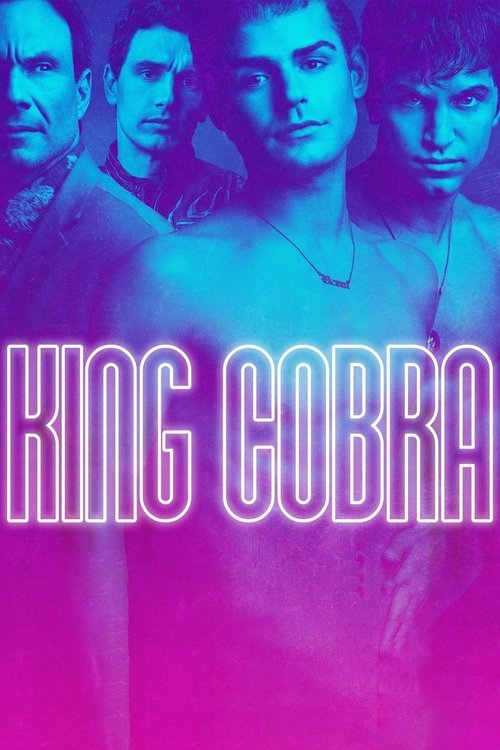
The film centers its narrative on queer identity and the complexities of living in the closet. It explores the power structures and performative identities within a specialized subculture.
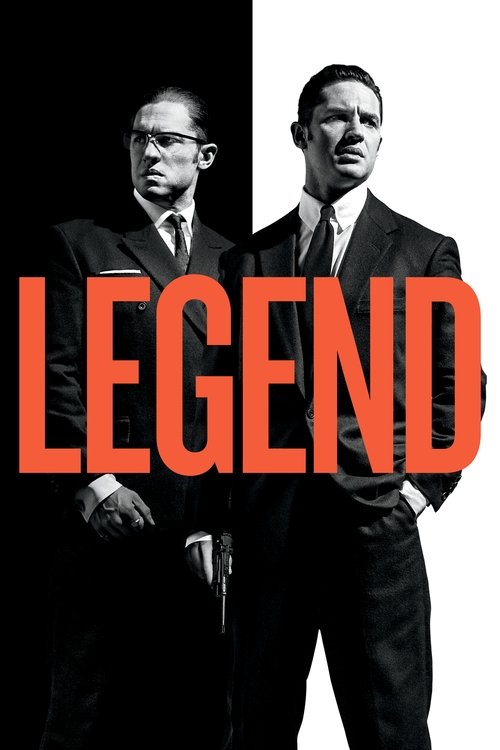
The film explores Ronnie Kray's queer identity as part of his psychological struggles rather than making fun of it. This approach highlights the tension between his personal life and the tough world of organized crime.
The film includes non-binary identities in the central mystery without sensationalizing them. Terry Lennox is portrayed in a straightforward manner that avoids the 'tragic queer' stereotype.
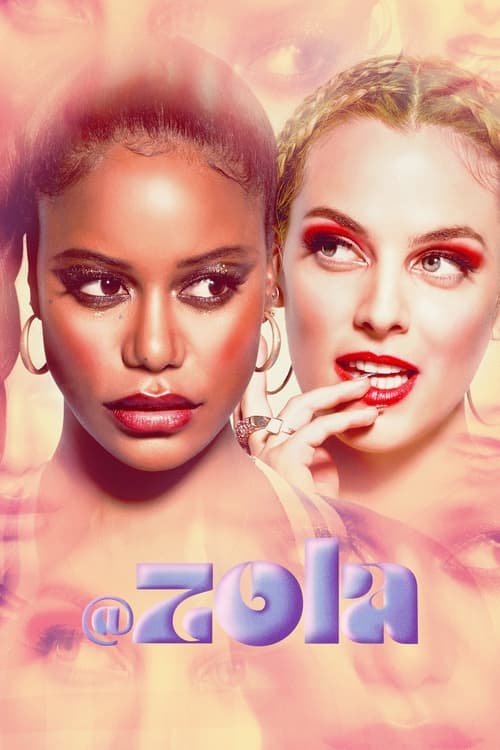
The film showcases the intimate relationships and connections among its female characters, challenging the assumption that everyone is straight or cisgender. These relationships are not used merely as plot devices but are integral to the story.
The film sets its story in the 1970s to highlight the tension between sexual liberation and traditional social norms. Intimacies between same-sex characters serve as a lens to explore these tensions.
The film delves into the queer relationship between J. Edgar Hoover and his lifelong partner, Clyde Tolson, highlighting their intense and unconventional domestic life.
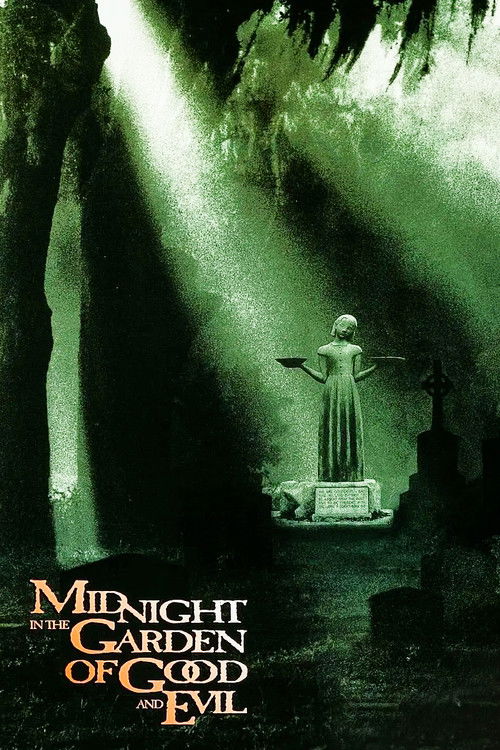
Characters dealing with non-traditional gender identities are shown as part of everyday life rather than being treated as outsiders or for humor. They challenge the traditional Southern expectation that everyone is straight or cisgender.
The film delves into the complexities of sexual identity and same-sex intimacy through the character of Uday Hussein. It treats these identities as central to the story rather than just plot devices, examining how they intersect with the absolute political power of the regime.
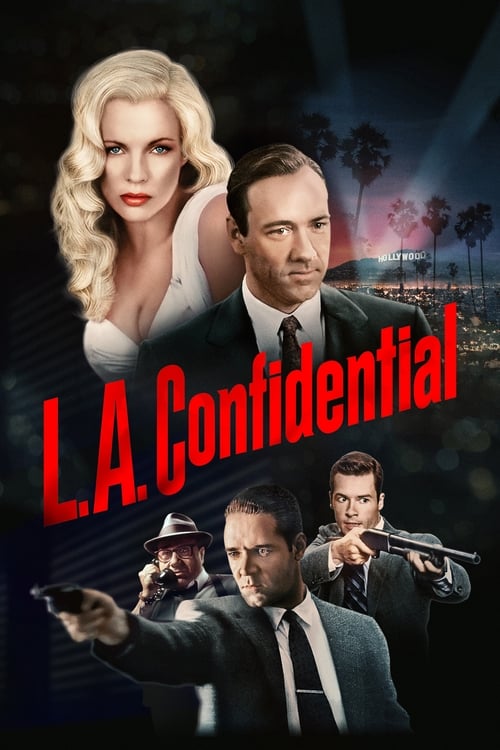
The underground nightlife setting allows for a naturalistic depiction of queer identities. Same-sex intimacy is presented as an organic part of the club ecosystem rather than a spectacle.
The film examines the tension between public personas and private identities through a subplot involving a high-profile celebrity. This nuanced exploration avoids simple including someone from a minority group without giving them real depth and highlights the challenges of maintaining authenticity in restrictive soc...
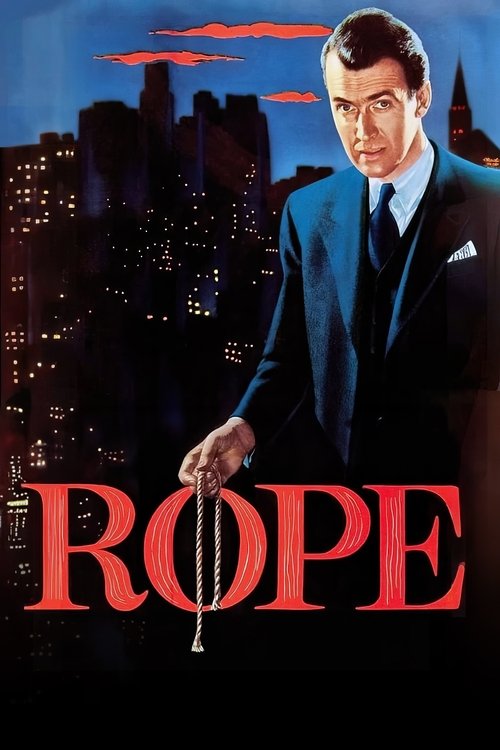
The film doesn't explicitly show LGBTQ+ identities due to censorship during its time. However, there's strong homoerotic tension between Brandon and Phillip, challenging the straight-focused norms of 1940s cinema.
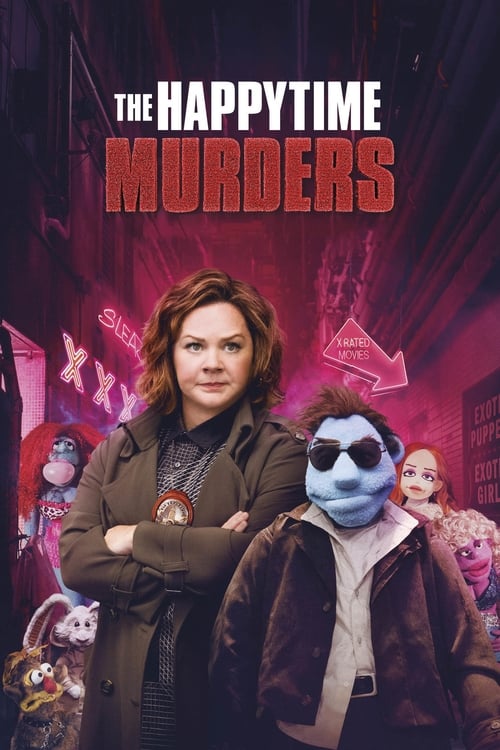
The film uses puppets to explore LGBTQ+ identities within a gritty, R-rated setting. This approach goes beyond including someone from a minority group without giving them real depth by integrating diverse sexualities into a chaotic urban landscape that challenges traditional expectations of puppet innocence.
The film challenges traditional assumptions about sexuality by focusing on the protagonist's fluid sexual identity. It explores the complexity of desire and attraction without labeling the character.
The film focuses on the leather and S&M underground of late-70s New York. It offers a detailed look at non-traditional sexual practices and queer spaces.
The film is set in the nightlife culture of the 1980s East Village, which celebrates diverse sexual identities and non-traditional social connections.
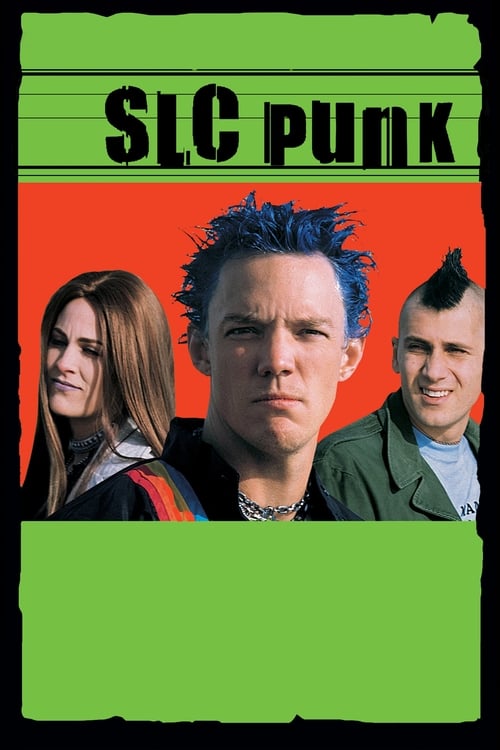
Queer identities are naturally part of the punk subculture. Non-conforming sexualities are shown as normal aspects of the characters' pursuit of authenticity, rather than being used as tragic plot devices.
The film uses the 1980s AIDS crisis to ground its emotional stakes. It treats the epidemic as a systemic force that reshapes the community's social fabric rather than focusing on a single romantic arc.
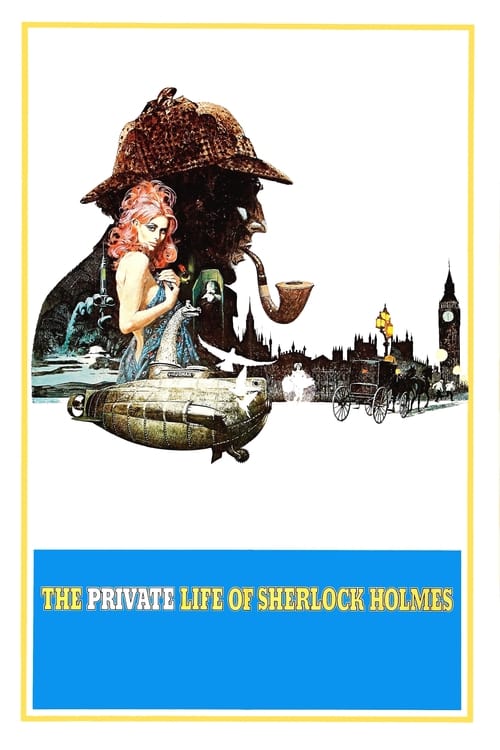
The film delves into the deep emotional connection between Holmes and Watson, challenging the idea that male friendships are always strictly platonic. By focusing on their shared domestic life, the story hints at a more complex relationship that goes beyond typical male camaraderie.
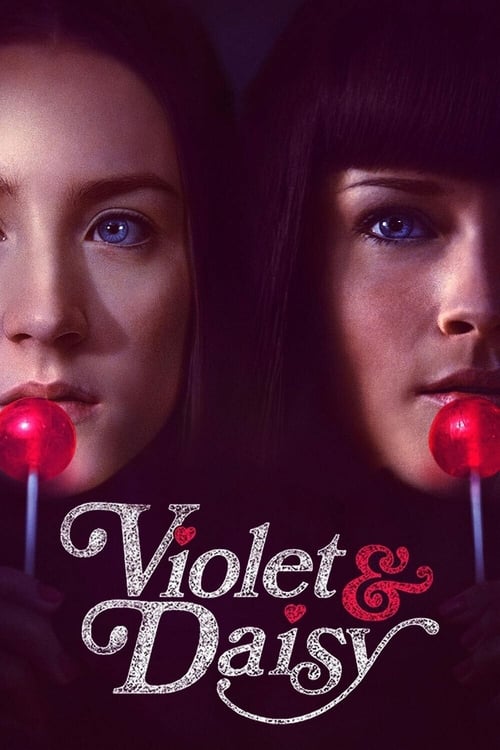
The film delves into non-traditional emotional connections through a close bond between the female leads. Their relationship mixes platonic support and romantic obsession, providing a layered look at identity.
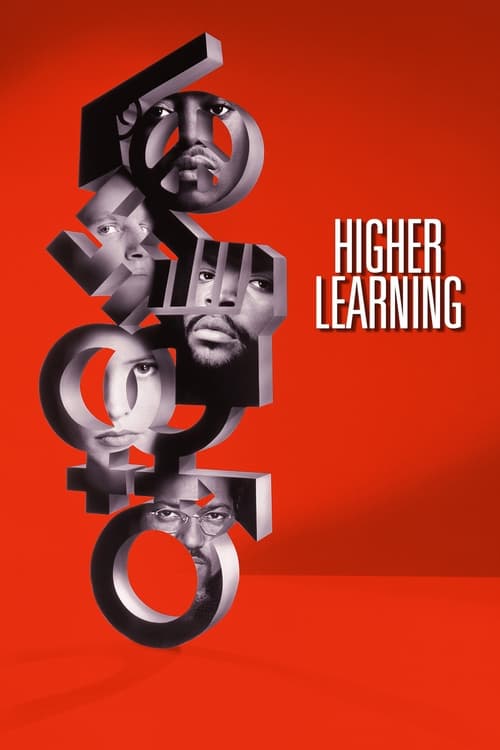
The film includes characters who identify as LGBTQ+, integrating their experiences into the campus social life. These characters deal with sexuality and gender identity as key elements of their lives rather than minor subplots.
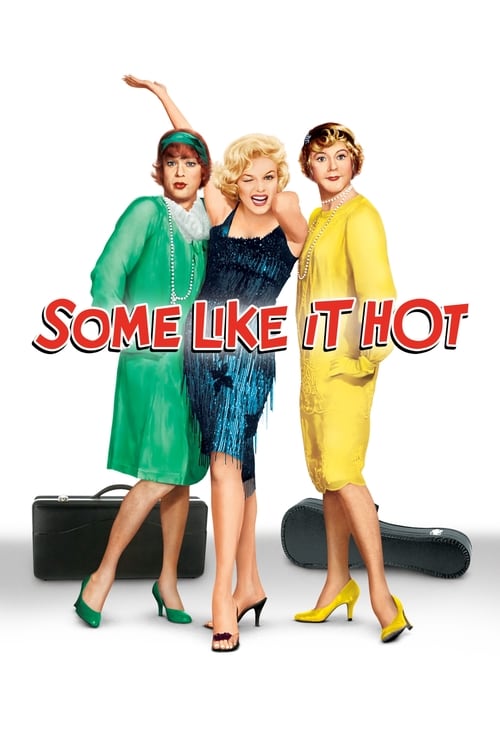
The film examines gender performance through characters who adopt female identities to survive. Although not explicitly labeled as queer by today's standards, the story challenges traditional gender presentations.
The film focuses on the protagonist's evolving sexual orientation, which shapes his psychological profile. It avoids typical romance clichés, emphasizing how his attraction to men contributes to his social isolation.
The film incorporates queer aesthetics and interactions that are not centered around heterosexuality. These elements appear as part of the urban backdrop rather than central conflicts, contributing to a fluid, city-focused atmosphere.
No LGBTQ+ characters, relationships, or themes appear. Arthur’s connections are strictly heterosexual or familial.
No same-sex couples, romantic partners, or non-binary characters appear. The film features no queer dialogue, intimacy, or identity markers.
No LGBTQ+ characters or same-sex romance appear in the film. All romantic or familial bonds depicted are between men and women.
The film does not include any LGBTQ+ characters or non-straight relationships. The 1960s setting is portrayed through a strictly heterosexual lens without challenging these norms.
The film focuses on a relationship between Baby and Debora that assumes both are straight. There are no characters with non-traditional sexual orientations or gender identities.
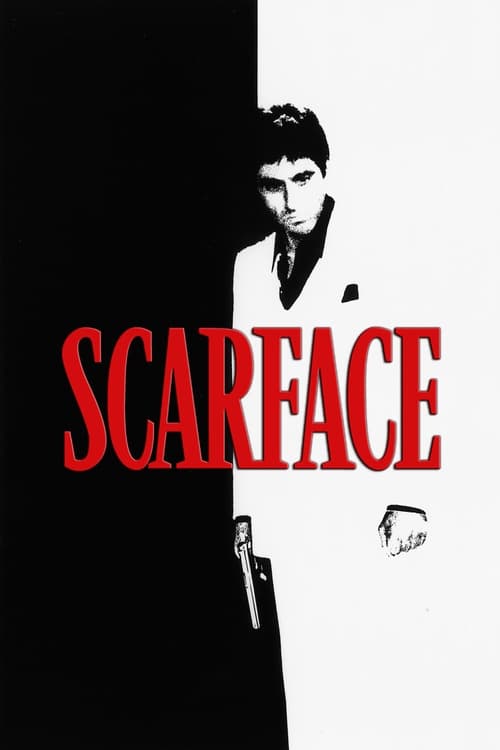
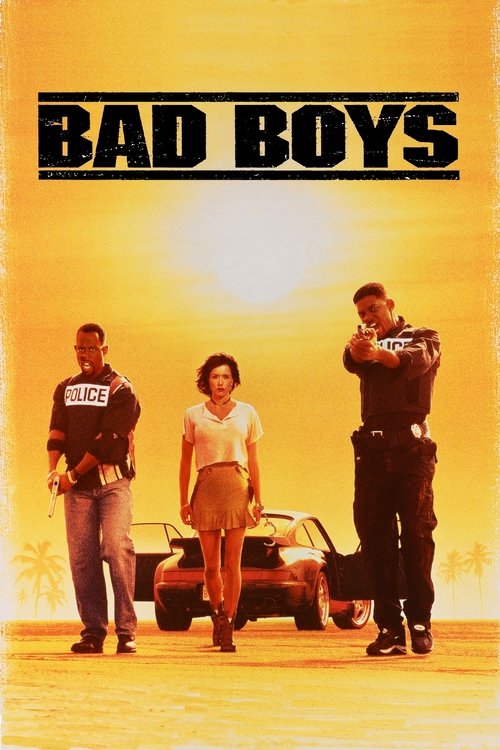
The film does not include any LGBTQ+ characters or non-cisgender identities. It focuses on a world dominated by hyper-masculine, heterosexual characters.
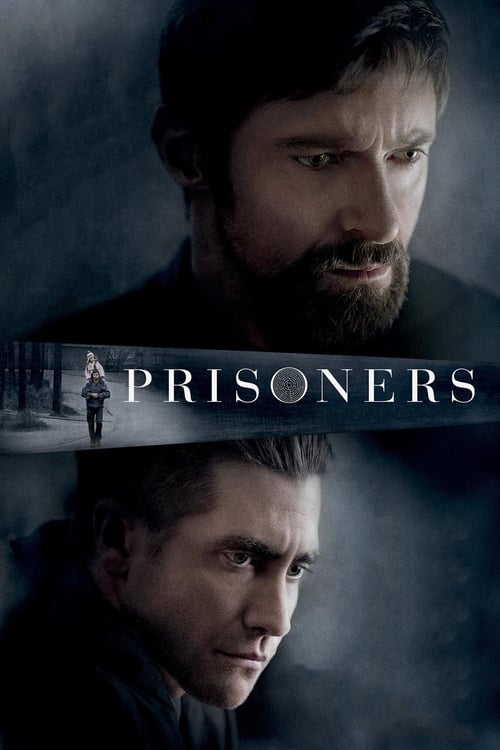
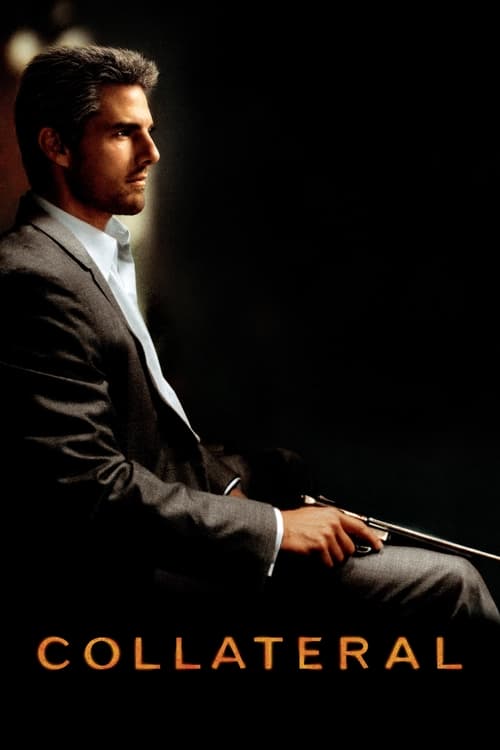
The film does not include any LGBTQ+ characters or narratives. The story centers around the relationship between the main characters and the criminal underworld.
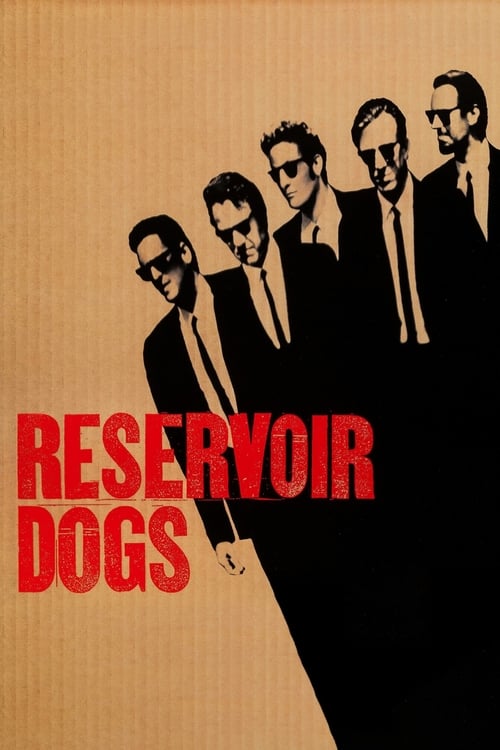
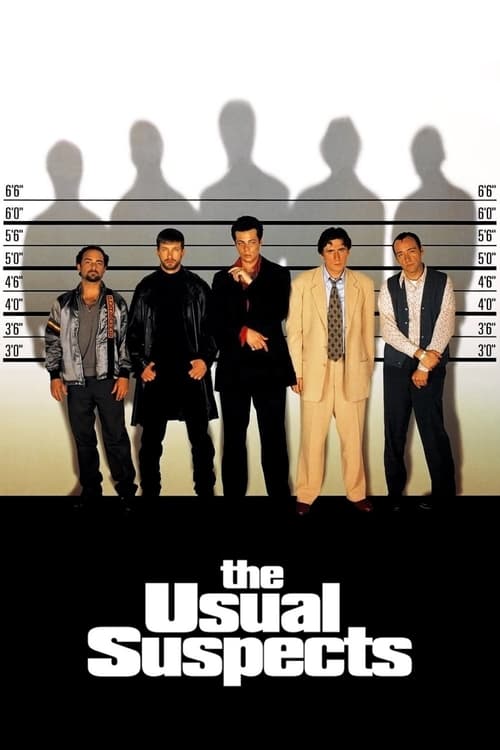
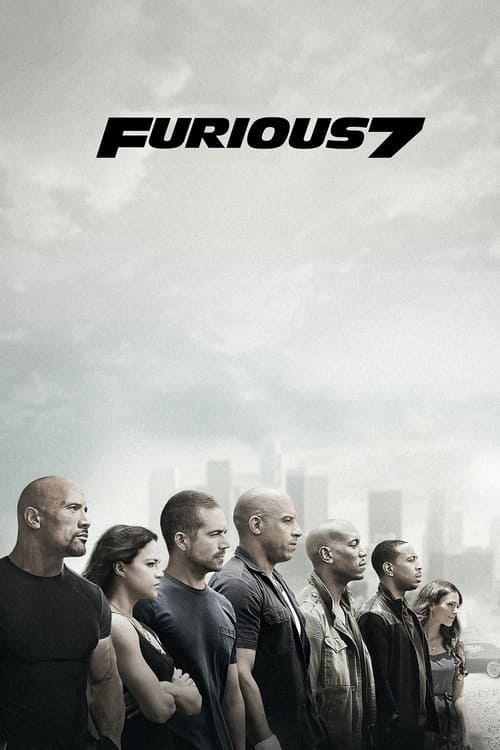
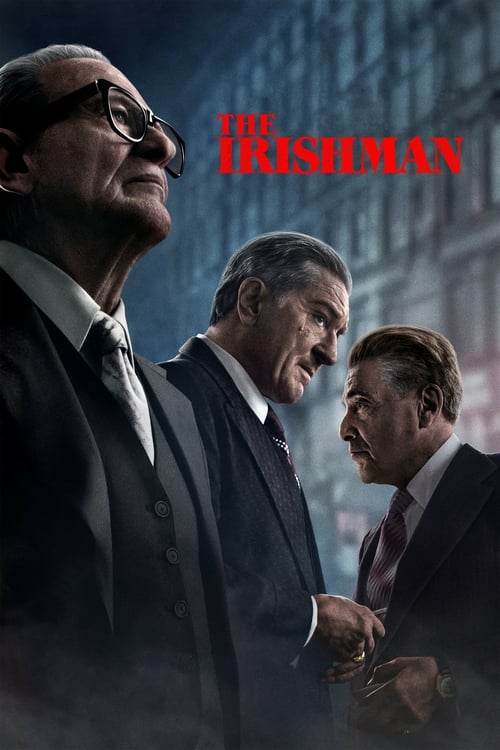
The film focuses entirely on a male-dominated criminal ensemble. There are no depictions of same-sex relationships or non-binary gender identities.
The film follows a conventional structure that assumes everyone is straight or cisgender. It does not prominently feature characters or stories centered around LGBTQ+ identities.
The film focuses entirely on straight relationships and traditional masculine bonding. There is no presence of non-straight identities or queer narratives.
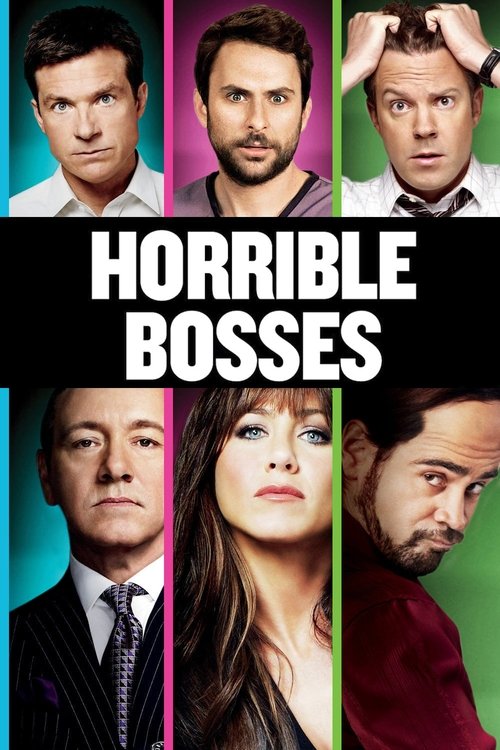
The film does not include any LGBTQ+ characters or explore non-straight relationships.
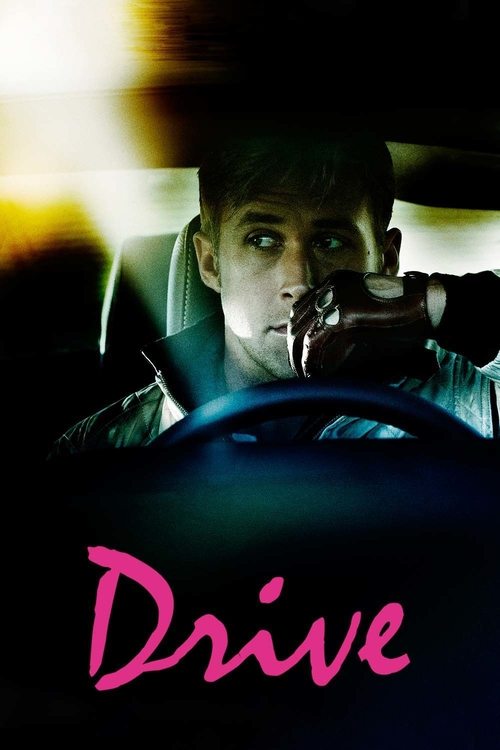
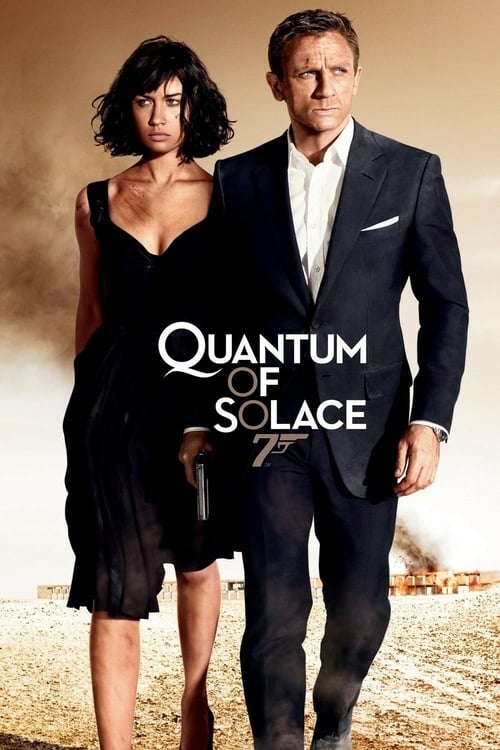
The film does not include any LGBTQ+ characters or non-straight relationships. The story centers around traditional heterosexual relationships involving the Driver and Irene.
The story focuses on straight relationships and does not include any LGBTQ+ identities or narratives.
The film does not include any LGBTQ+ characters or non-straight relationships. It centers on a traditional family structure without challenging typical heterosexual relationships.
The film does not include any queer identities or non-straight relationships. The social setting is portrayed through a strictly heterosexual lens.
The film does not include any characters with LGBTQ+ identities or non-cisgender identities. The plot focuses on traditional heterosexual relationships.
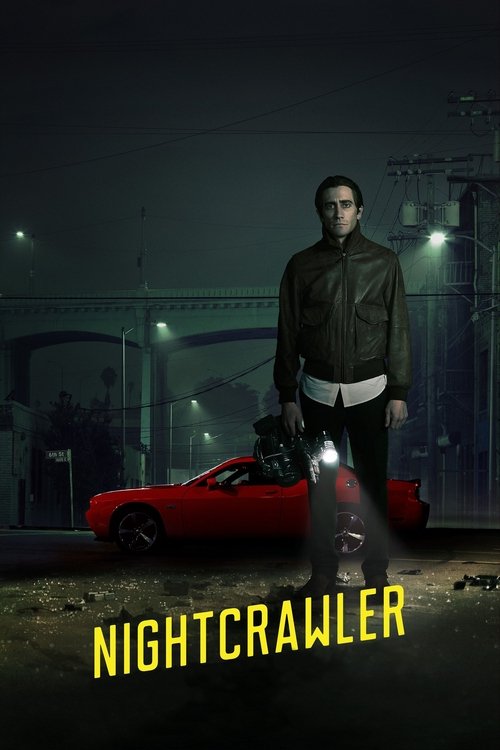
The film does not include any LGBTQ+ characters. The story focuses solely on the protagonist's predatory ambitions and his professional relationship with Nina.
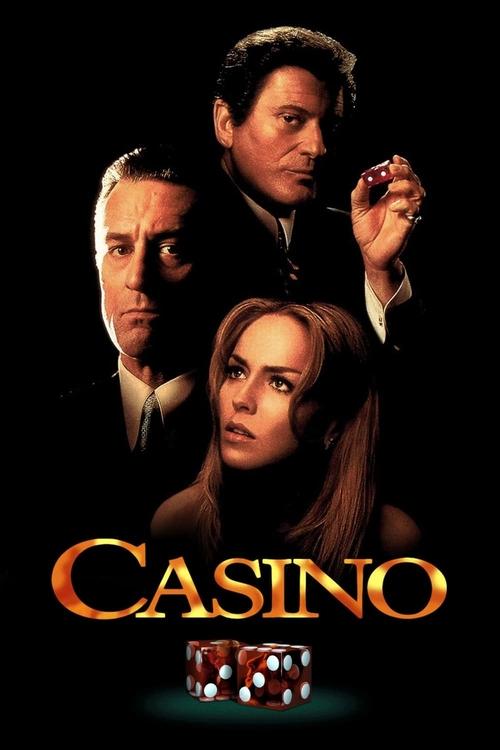
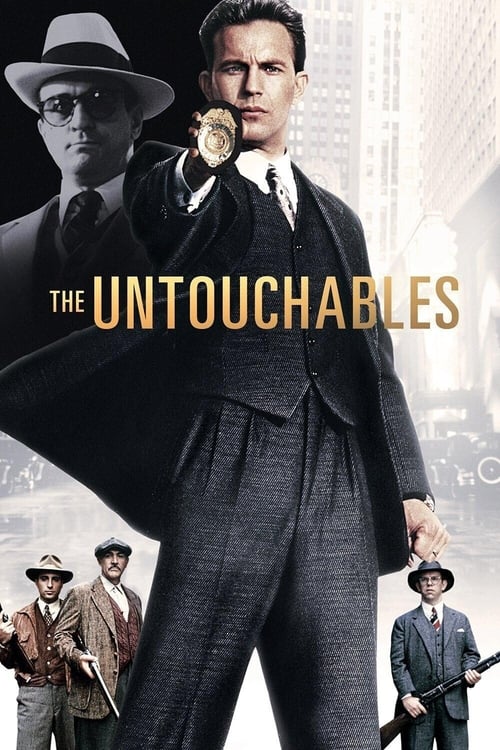
The film does not include any LGBTQ+ characters or explore non-cisgender identities. The social setting is focused on a male-dominated criminal world.
The film does not include any LGBTQ+ characters or storylines. It centers on heterosexual relationships and traditional interpersonal connections.
The film focuses solely on heterosexual relationships and does not include any non-cisgender identities or queer perspectives.
The film maintains a strictly straight-centered structure, focusing only on cisgender identities and heterosexual relationships. There are no non-cisgender identities or same-sex intimacy portrayed.
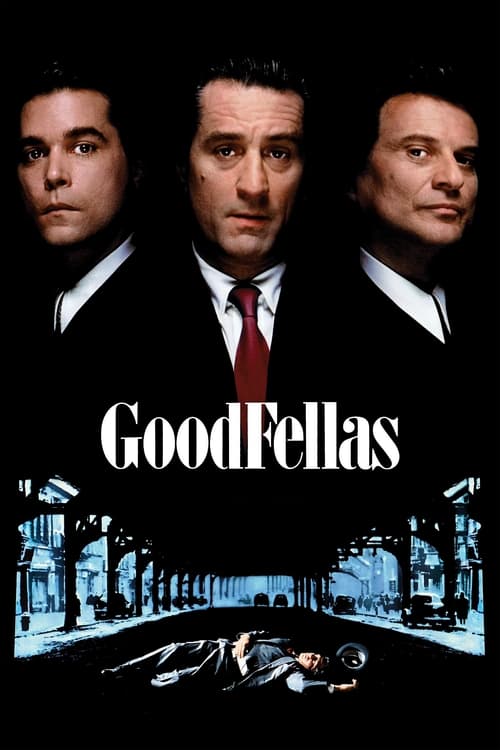
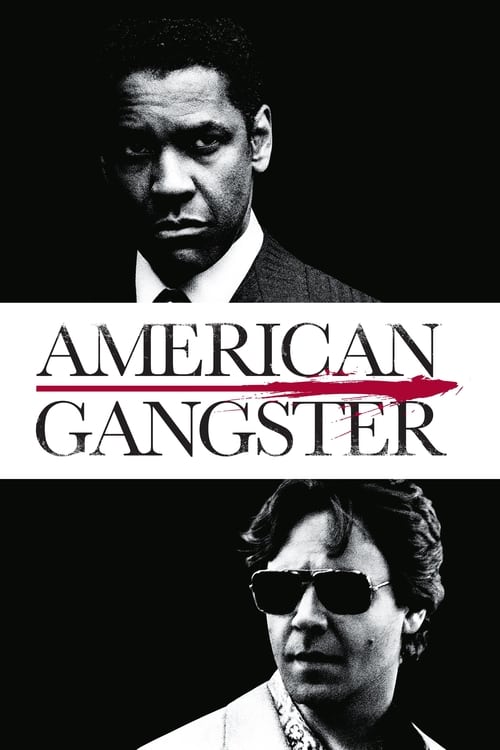
The film does not include any LGBTQ+ characters or non-straight identities. The social structure focuses on heterosexual relationships within criminal hierarchies.
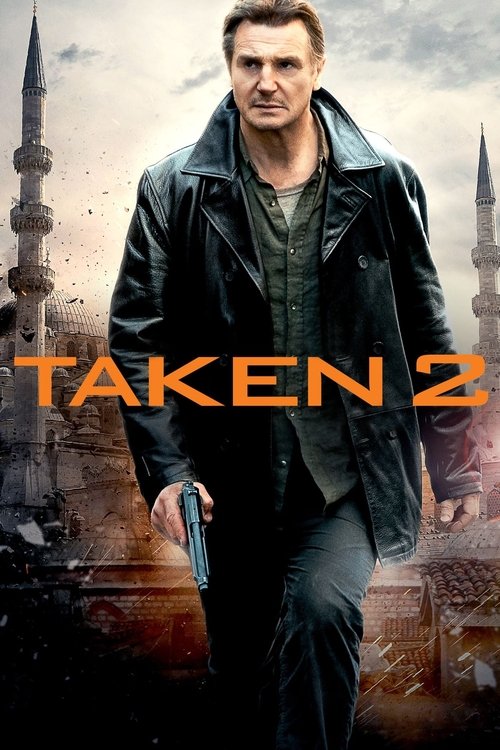
The film does not include any LGBTQ+ characters or explore non-straight relationships. It focuses on a solitary male protagonist and his relationship with a female character, without engaging with queer themes.
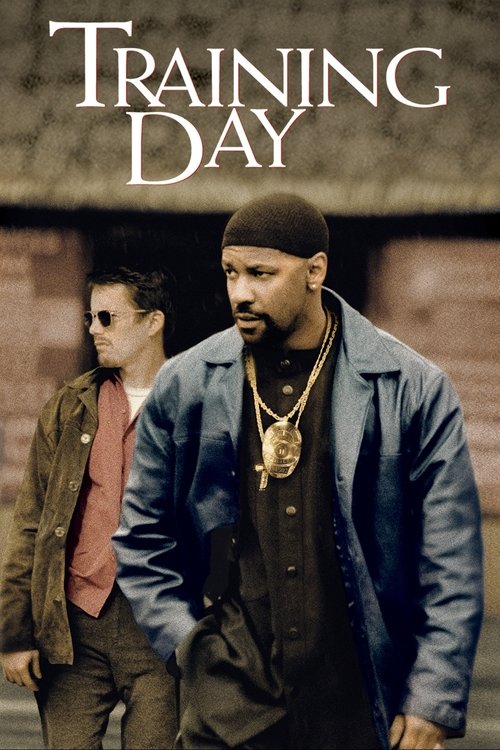
The film does not include any LGBTQ+ characters or narratives. Character interactions are focused on professional and tactical relationships within a highly masculine environment.
The film focuses on a traditional social structure where everyone is assumed to be straight and cisgender. There are no LGBTQ+ characters or non-cisgender identities represented.
The film does not include any LGBTQ+ characters or storylines. Relationships focus solely on heterosexual couples and family ties.
The film operates within a traditional framework that assumes everyone is straight or cisgender. There are no LGBTQ+ characters or explorations of non-cisgender identities.
The film adheres to a strictly heterosexual and cisgender framework. The central romance between Bruce Wayne and Vicki Vale follows conventional structures without any visible presence of LGBTQ+ identities.
The film focuses on traditional heterosexual relationships and does not include any non-assuming gender matches what was assigned at birth identities or critiques of the assumption that everyone is straight or cisgender.
The film does not include any LGBTQ+ characters or stories that question traditional romantic and domestic relationships.
The film adheres to a structure that assumes everyone is straight or cisgender, with no visible LGBTQ+ characters or non-cisgender identities present.
The film follows a strictly heterosexual storyline without any LGBTQ+ characters or critiques of heterosexuality.
The film adheres to a structure that assumes everyone is straight and cisgender. There are no LGBTQ+ characters or non-straight identities featured in the main or supporting cast.
The film doesn't include any LGBTQ+ characters or non-straight identities. The romance focuses solely on a traditional relationship between Sean and Neela.
The film does not include any LGBTQ+ characters or offer any queer-coded subtext or critiques of traditional identity structures.
The film adheres closely to traditional norms and does not include any characters with non-traditional gender identities or sexual orientations.
The film does not include any LGBTQ+ identities or non-assuming gender matches what was assigned at birth gender expressions. It maintains a strict focus on heterosexual relationships and traditional gender roles.
The film does not include any LGBTQ+ characters or those with non-traditional gender identities. The social world remains focused solely on heterosexual relationships throughout the story.
The film does not include any LGBTQ+ characters or explore non-traditional gender identities. The social landscape focuses solely on heterosexual relationships and traditional family structures.
The film focuses on straight relationships and does not include characters with diverse gender identities or sexual orientations.
The film assumes everyone is straight or cisgender, with no visible LGBTQ+ characters or engagement with non-cisgender identities.
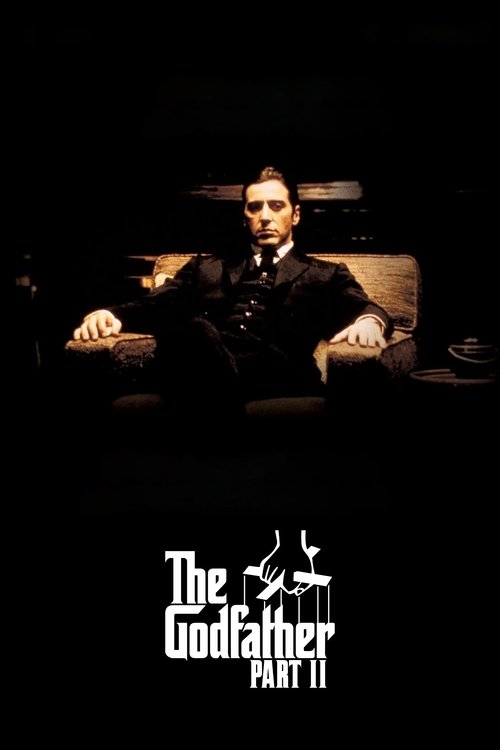
The film focuses solely on the heterosexual Corleone family and does not depict any non-binary gender identities or same-sex relationships.
The film adheres to a strictly heterosexual and cisgender perspective, with no depictions of non-binary gender identities or same-sex relationships.
The film does not include any LGBTQ+ characters or themes. It focuses on a masculine power struggle without any queer representation.
The film does not include any non-straight or non-cisgender identities or same-sex relationships.
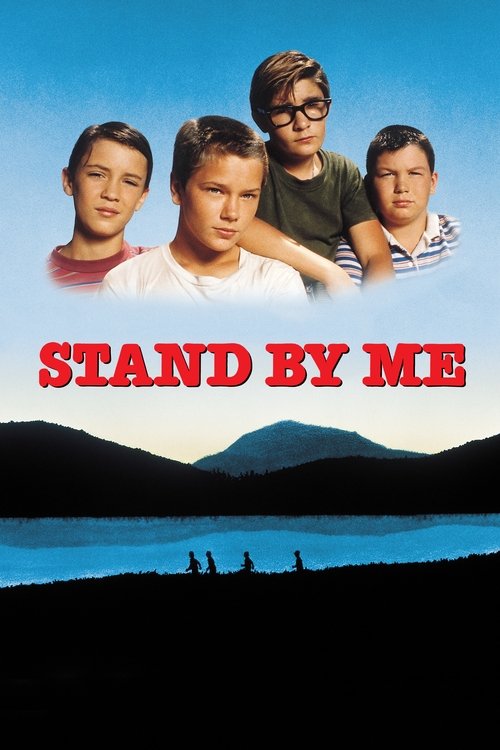
The film focuses on male bonding and does not depict any non-cisgender identities or same-sex relationships.
The film does not include any LGBTQ+ characters or situations involving non-straight relationships. The story focuses on traditional family structures.
The film does not include any LGBTQ+ characters or non-cisgender identities.
The film does not include any LGBTQ+ characters or explore non-cisgender identities.
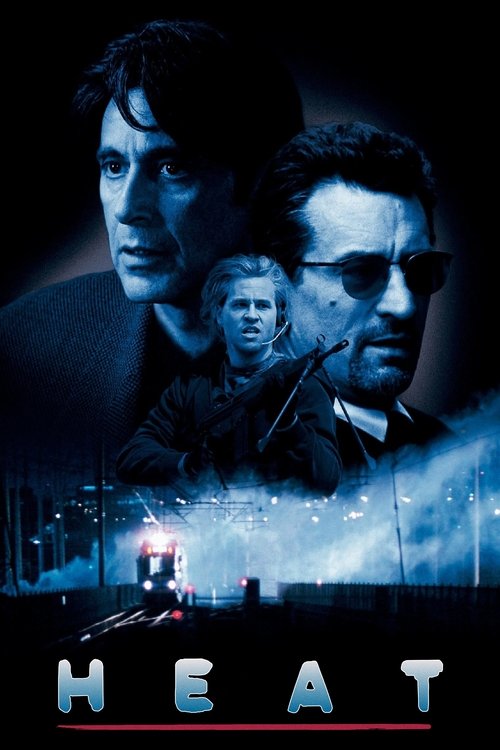
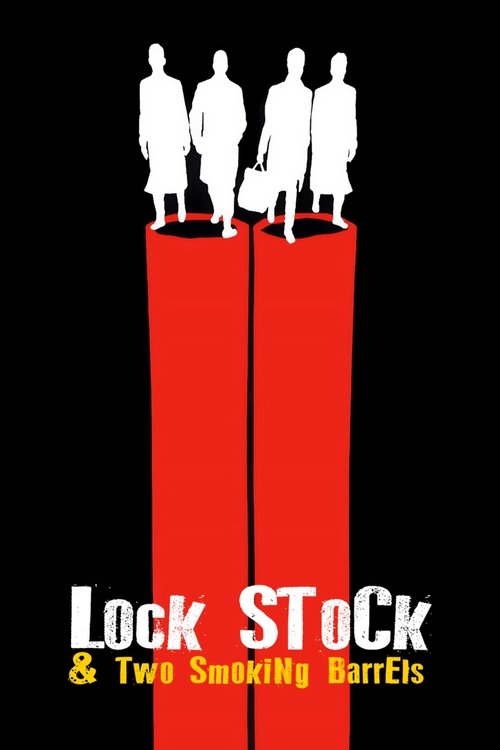
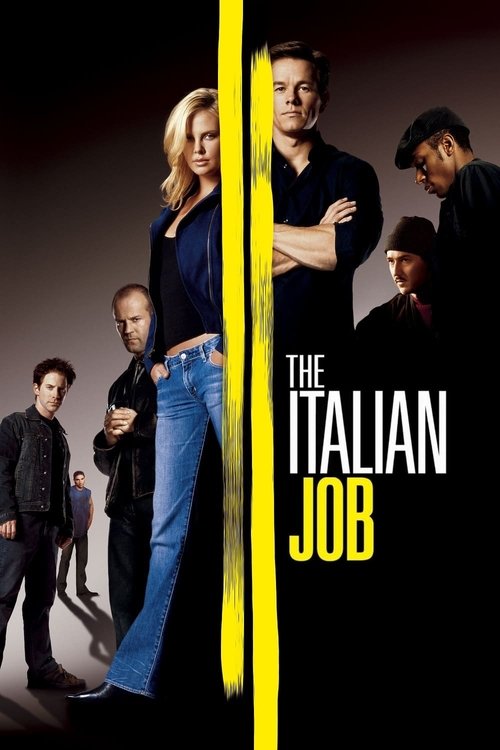
The film does not include any LGBTQ+ characters or explore non-straight relationships. The interpersonal dynamics focus on traditional romantic and friendship structures within a male-dominated heist scenario.