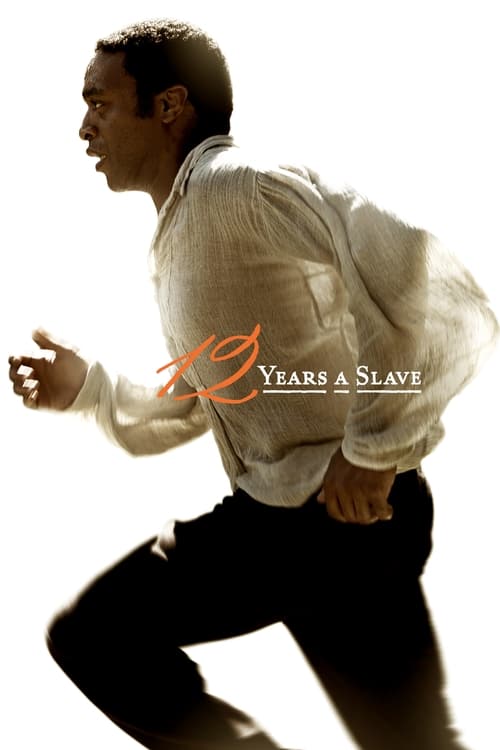
12 Years a Slave
2013
RNo user ratings available yet
Representation score: 9.8 out of 10
These lists use approved racial and ethnic representation scores for 2010s films that have written notes. Highest-scoring films are those whose notes describe more on-screen racial and ethnic representation. Lowest-scoring films are those whose notes describe little. Neither list is a quality ranking.
The narrative centers the Black experience by featuring a actively leading protagonist. It avoids whitewashing and showcases the complex socioeconomic layers within the community.
The film highlights a Black protagonist and a Jewish colleague, providing a detailed look at how different underrepresented groups face systemic oppression.
This groundbreaking production features an all-Asian cast to avoid whitewashing. It delves into the complexities of the Asian diaspora and contrasts Western individualism with Eastern collectivism.
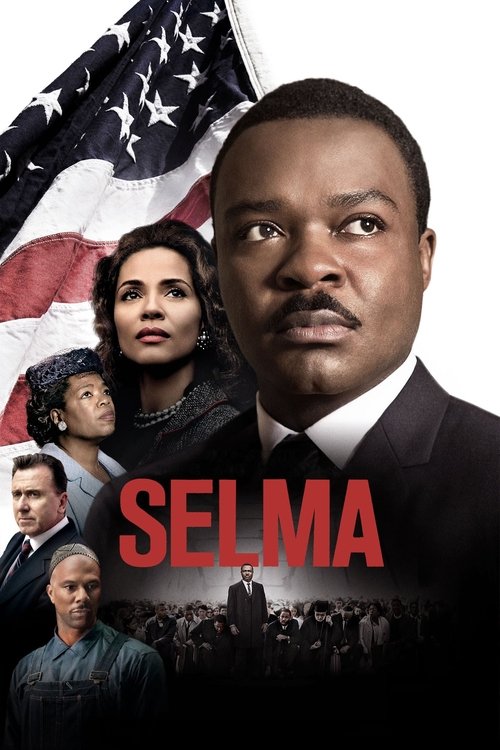
The film centers the Black experience through an all-Black ensemble and avoids the 'white savior' cliché by making Black citizens the primary drivers of the plot.
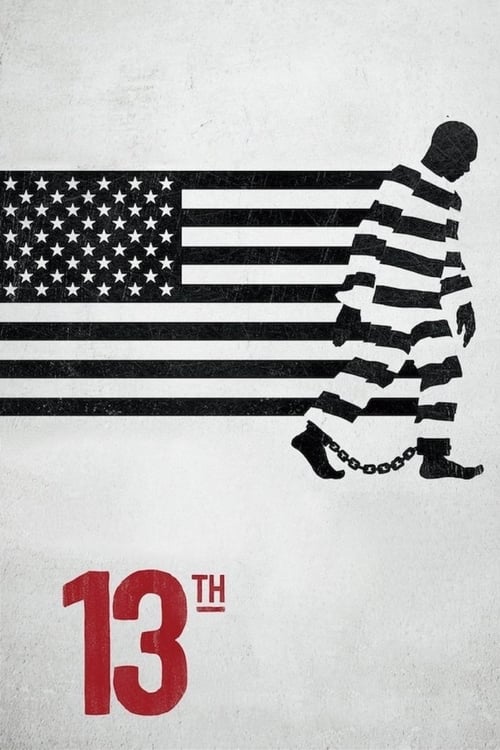
The film provides exceptional representation by centering the Black experience within the American legal framework. It traces racial subjugation from slavery through modern mass incarceration with sophisticated historical depth.
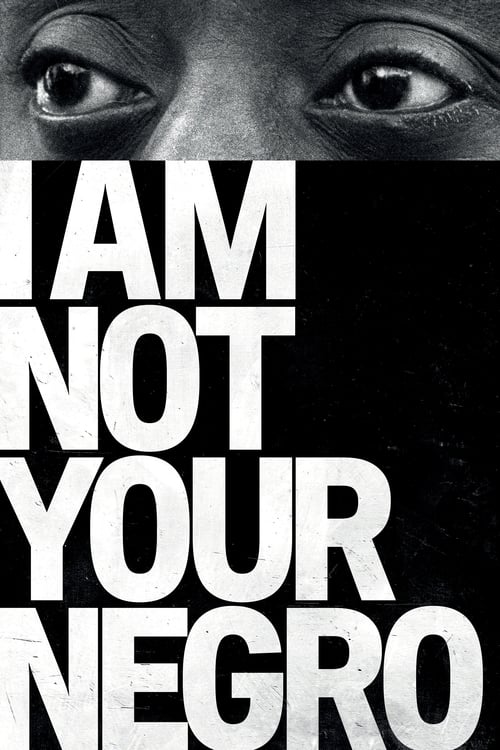
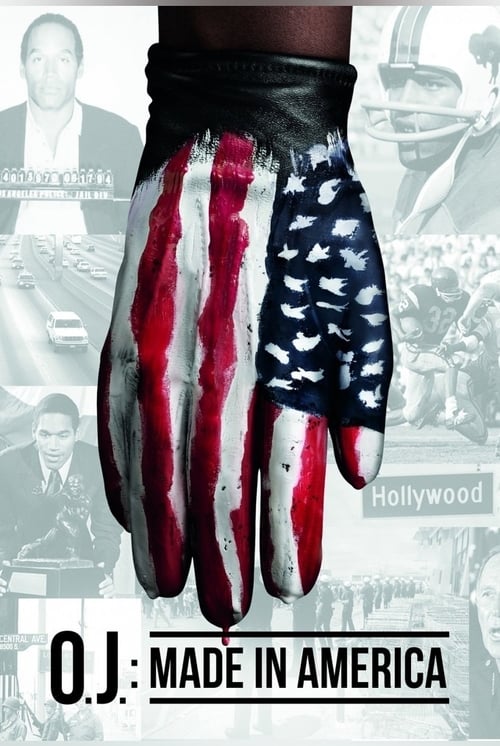
This documentary centers the Black experience through powerful archival footage, effectively challenging the notion of American exceptionalism and systemic white supremacy.
This film provides a thorough look at the Black experience in America. It goes beyond including someone from a minority group without giving them real depth to analyze how racial identity is shaped and controlled in Los Angeles.
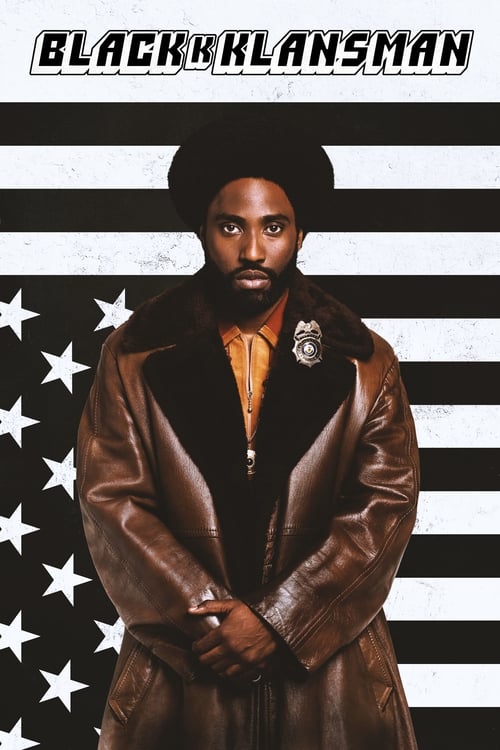
The film centers on the Black working-class experience in 1970s Harlem, providing a deep look at how race and class intersect. It critiques the systemic biases and institutional barriers faced by underrepresented communities.
The film offers exceptional racial ability to act with a predominantly Black cast. It centers the Black experience as the fundamental lens of the world, challenging conventional cinematic structures through deep, character-driven exploration.
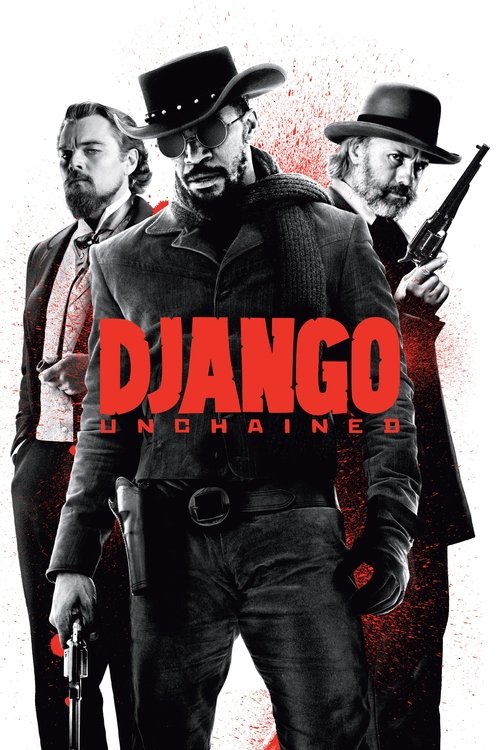
Black characters hold the moral center and physical power. Django and Schultz invert the traditional master-servant dynamic, with the enslaved man becoming the competent hunter.
The cast is predominantly Black, with Wakanda depicted as a sovereign, technologically advanced nation. Western characters serve as outsiders who learn from Black expertise rather than leading the narrative.
By highlighting Polynesian mythology and voyaging traditions, the film steers clear of Western-centric discovery clichés. Authentic representation is achieved through casting and design that emphasize Pacific Islander aesthetics.
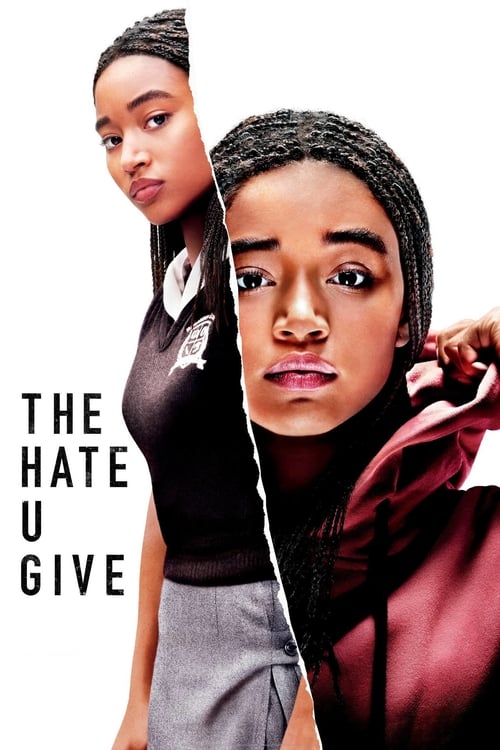
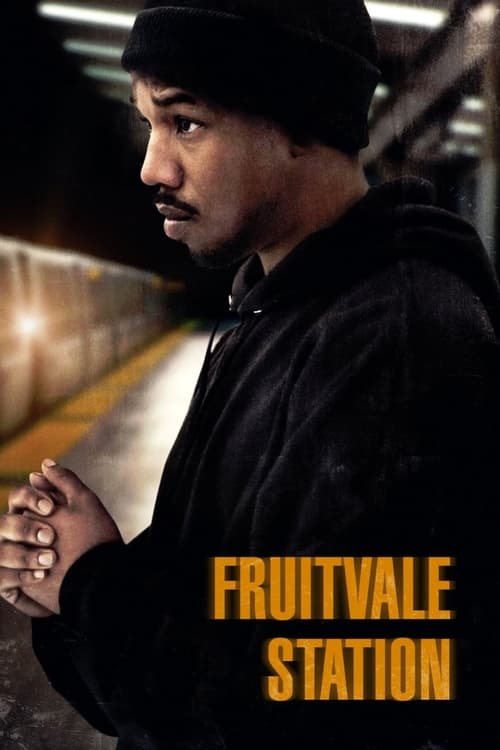
The story focuses on the lived experiences of Black men in urban settings, featuring a predominantly Black cast. Racial identity is integral to character development, avoiding including someone from a minority group without giving them real depth.
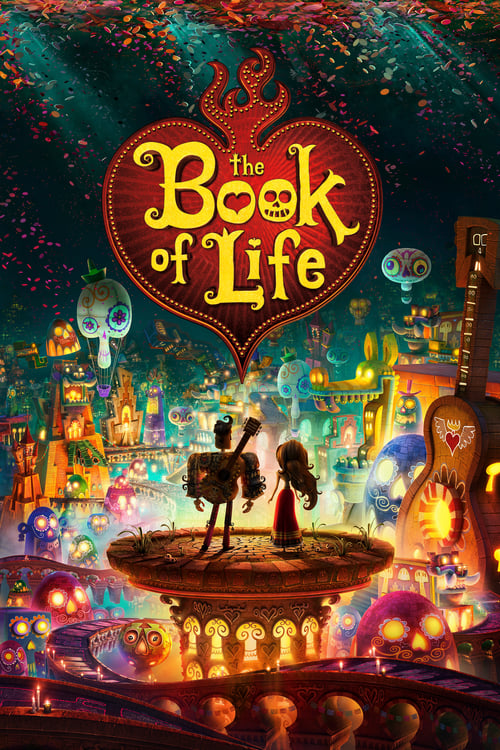
The film is a profound celebration of Mexican culture. It uses folk-art aesthetics and a Latino cast to create a deeply immersive cultural experience.
The entire cast is Black, exploring the Black experience in 1950s Pittsburgh. The film uses the Negro Leagues to highlight systemic exclusion and racial barriers.
The film centers around a predominantly Black cast and explores diverse socioeconomic backgrounds. It avoids monolithic portrayals by showcasing the complexities of the Black experience in various settings.
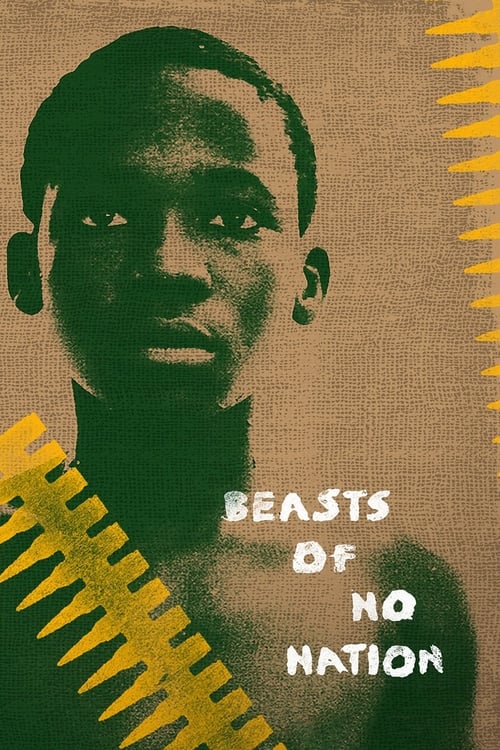
The film features an entirely African cast, avoiding the typical white savior cliché. This approach provides authentic and deep character development without a Western perspective.
The film features an all-Black, Malawian cast, achieving exceptional representation. It avoids the Western perspective by focusing on a Black protagonist in a realistic rural setting.
The film centers the Black experience in an alternate Oakland, featuring a predominantly Black cast. It uses surreal imagery to critique racial performance and assimilation.
An all-Black female ensemble serves as the narrative center, avoiding including someone from a minority group without giving them real depth through deep character development. The Essence Festival setting celebrates Black joy without centering a white perspective.
An all-Asian cast provides an authentic perspective on the Chinese experience. It avoids outsider viewpoints, centering the complexities of the Chinese-American experience.
The film offers excellent representation by centering a Black protagonist and featuring a predominantly Black cast. It avoids including someone from a minority group without giving them real depth by giving characters of color significant roles and depth.
The narrative centers on the experiences of an interracial couple, challenging conventional historical portrayals of the American South. Mildred Loving is portrayed as a non-white protagonist with significant influence.
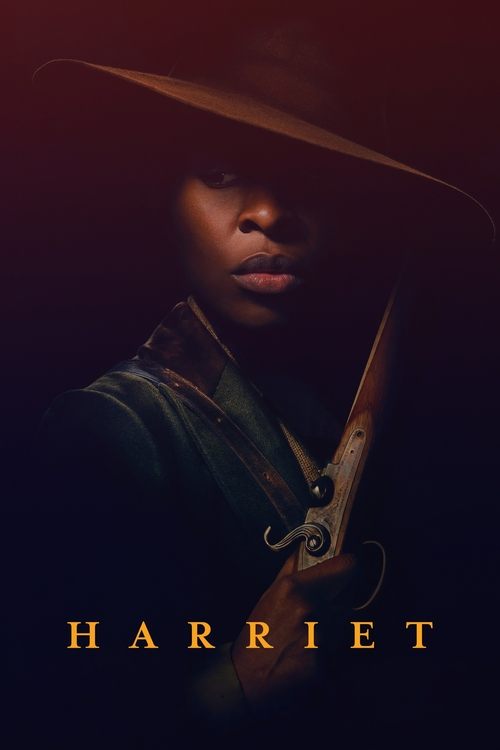
The film highlights the ability to act of a Black woman, avoiding the white savior cliché. It focuses on the lived experiences of African Americans during the time period.

2017
TV-MAThe production achieves high authenticity by using a predominantly Khmer cast. It centers the Cambodian experience, ensuring ethnic identity drives the film's emotional and political stakes.
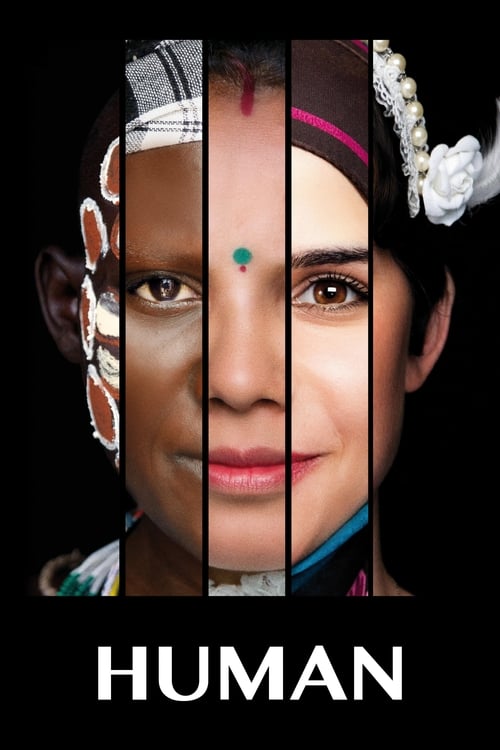
The film spans twenty-five countries and offers an expansive, non-Anglo-centric view of humanity. It showcases a mosaic of diverse ethnicities and traditional lifestyles across five continents.
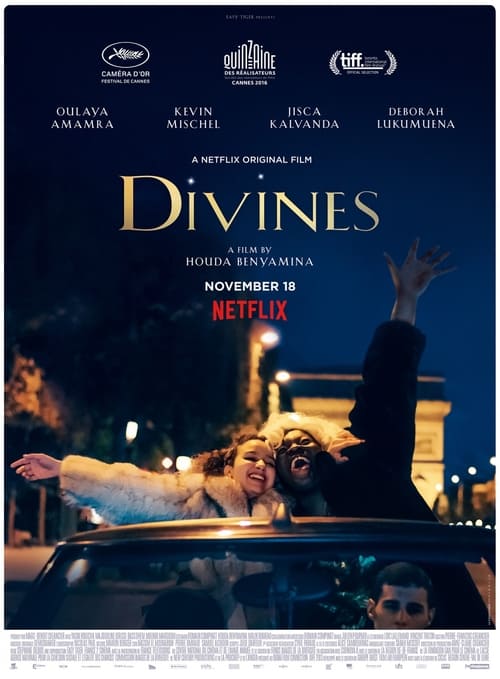
The cast includes predominantly Black, North African, and Arab women, reflecting the diverse reality of French suburbs. This portrayal challenges Eurocentric norms in cinema.
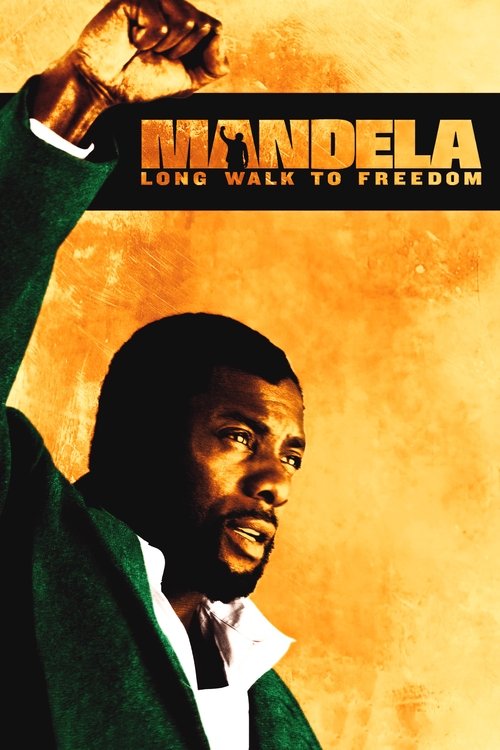
The film centers around a Black protagonist and cast, reclaiming history from a Western perspective. It emphasizes Black sovereignty and dignity.
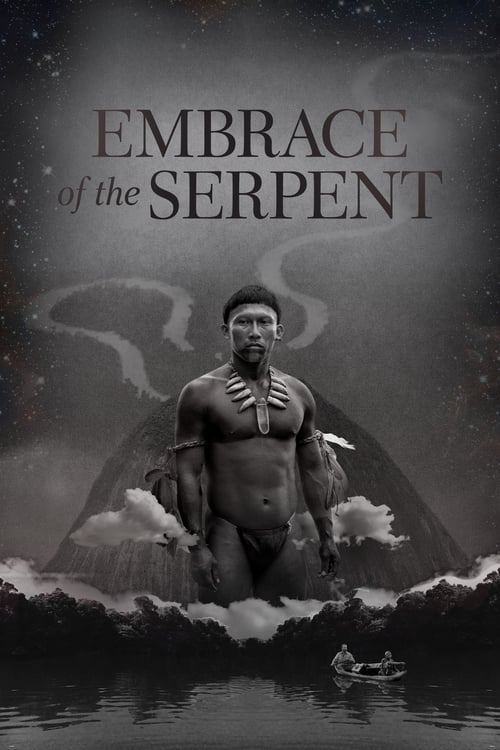
The film highlights the perspectives of indigenous Amazonians, with Karamakate playing a central role that challenges typical cinematic structures.
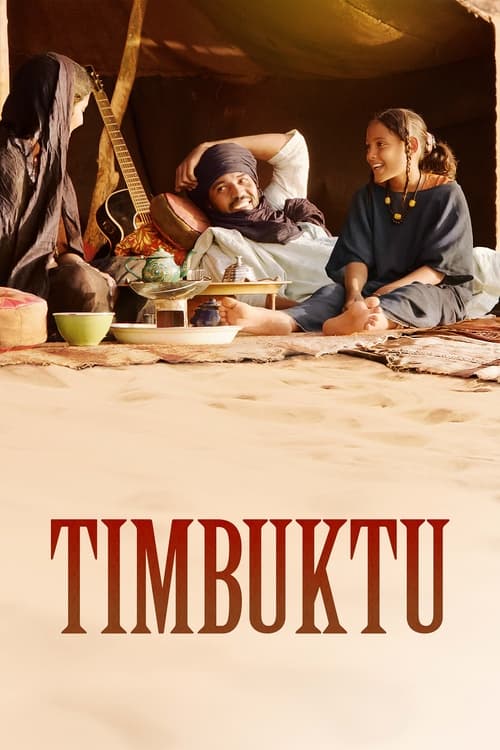
The film features a predominantly African cast and centers the Malian experience. It avoids Western 'othering' by focusing on specific local ethnic and social structures.
The film highlights a predominantly Black cast, shifting the narrative focus to their experiences. It gives a significant role in driving the story to Black characters, addressing systemic microaggressions and economic diversity within the community.
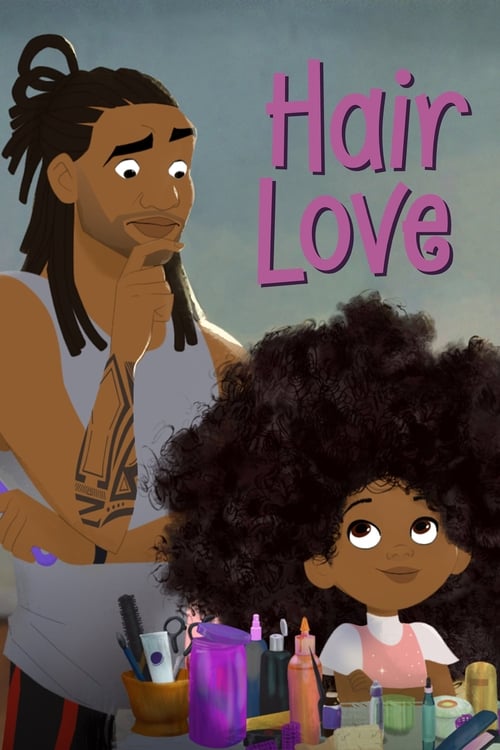
This work celebrates Black identity by centering the cultural ritual of natural hair care. It moves beyond including someone from a minority group without giving them real depth to treat specific ethnic textures as a central plot driver.
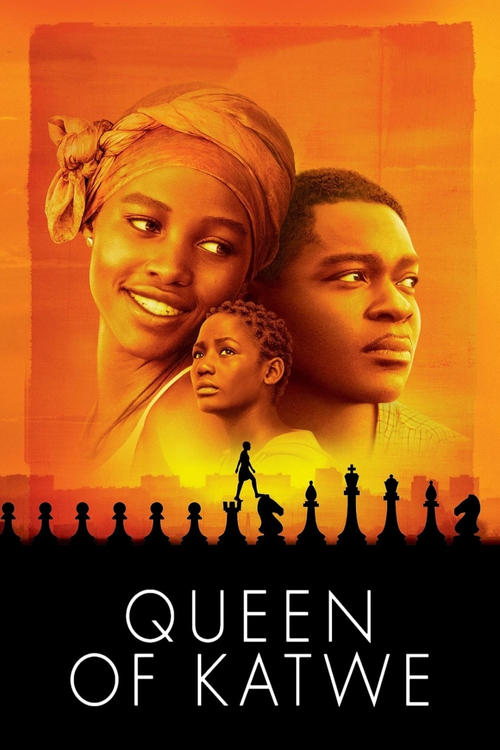
The film features an almost entirely Black African cast to represent a Ugandan setting. It avoids the 'white savior' cliché by emphasizing the ability to act of the Katwe community.
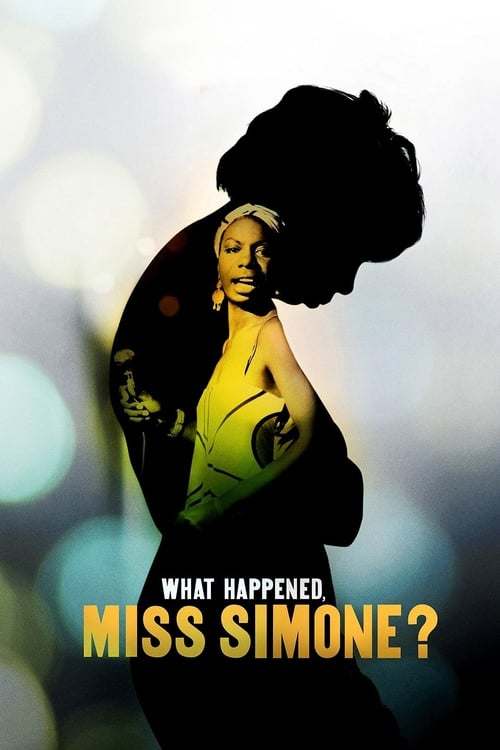
This work provides a profound study of Black ability to act within white-dominated institutions. It centers a Black woman’s lived experience to deconstruct the musical landscape of the mid-20th century.
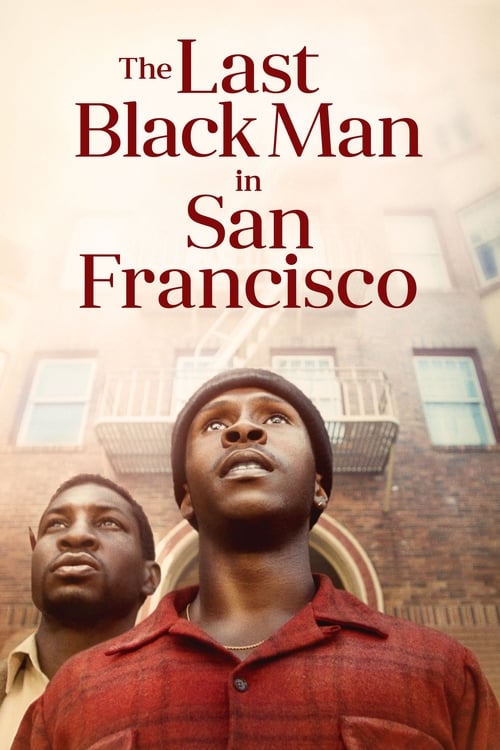
The film explores the experiences of Black individuals in a rapidly changing environment. It uses a Victorian house to symbolize the preservation of Black history and cultural heritage.
The film highlights the Maya indigenous identity, going beyond token representation. It uses indigenous perspectives to challenge state-sanctioned histories and prioritize voices that have been historically sidelined.
The film features an all-Black cast within a specific Zambian context. It rejects the outsider gaze by making character identities intrinsic to the setting.
This film is a strong example of indigenous-centric storytelling. It centers the narrative within the Wayuu social and linguistic frameworks, avoiding including someone from a minority group without giving them real depth or an exoticized Western perspective.
This is a standout strength, featuring a non-Western majority from Africa, Asia, and the Americas. It avoids a Eurocentric perspective by letting diverse communities tell their own histories.
Set in Dakar with an all-Black cast, the film rejects the Western perspective. It highlights the ability to act of the Senegalese working class in a realistic manner.
The ensemble portrays a multifaceted view of the Black experience across various socioeconomic backgrounds. It avoids monolithic clichés by showcasing a wide range of ambitions, identities, and struggles.
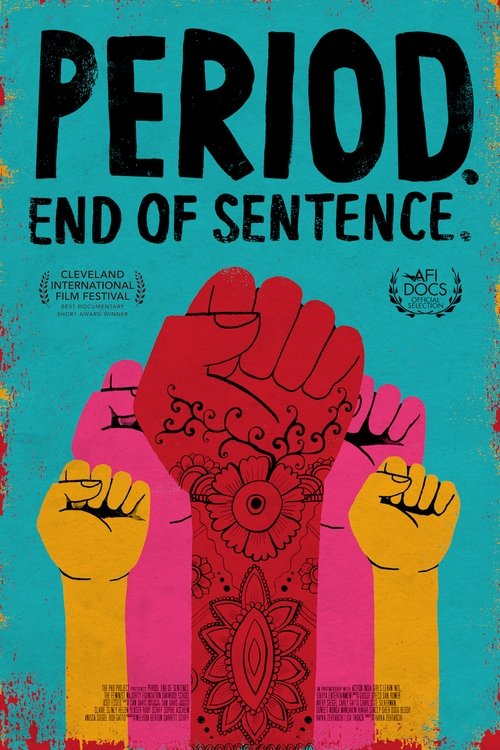
The film provides a profound exploration of rural Indian identities without using an outsider's perspective. It centers the lived experiences and communal strength of the local women.
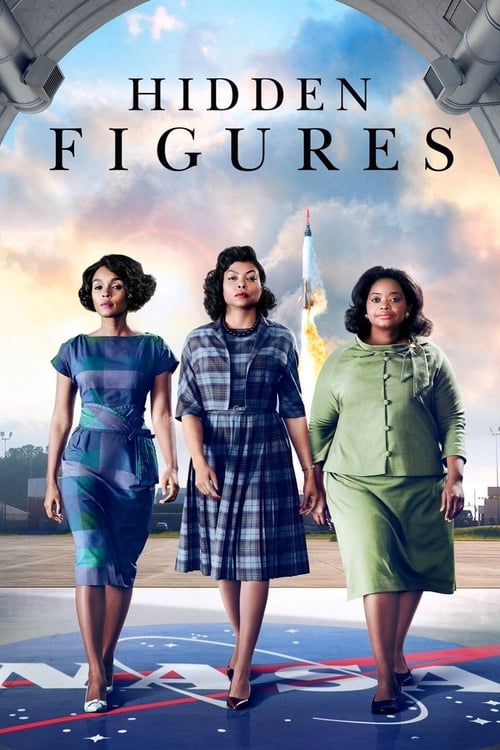
By centering Black women in a predominantly white field, the film provides exceptional representation. It critiques systemic barriers like segregated facilities while showcasing the characters' immense ability to act and merit.
The film offers a nuanced look at Indigenous Mixtec identity within a middle-class family. It uses this to critique the lingering effects of colonial power dynamics.
The all-Asian-American lead cast is presented with high ability to act and professional complexity. The film avoids the outsider cliché by making Asian-American identities the default within its universe.
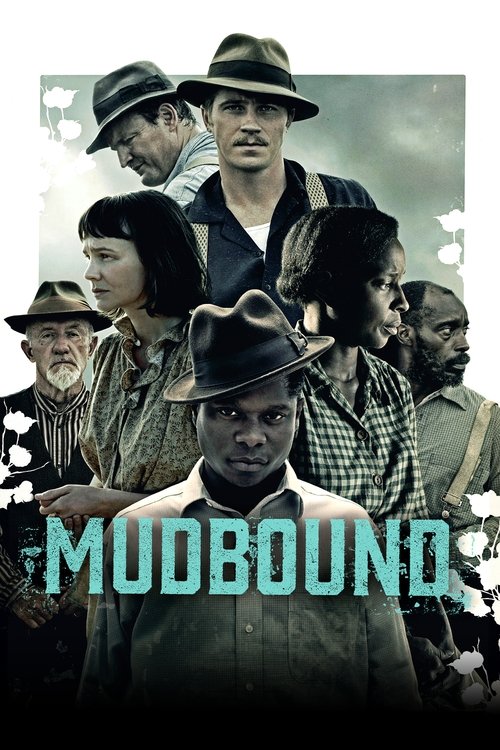
The film excels by featuring a predominantly Black cast to drive the central conflict. It provides significant roles to the Rivers family within the sharecropping system.
This post-colonial critique centers the Aboriginal experience during the Black War. It prioritizes Indigenous ability to act to dismantle colonial myths and explores the intersection of Irish convict and Aboriginal identities.
The documentary excels by focusing on non-Anglo-Saxon populations from the Global South. It portrays the resilience and complex humanity of workers and refugees facing systemic crises.
The film centers a Black protagonist and cast to reclaim historical ability to act. This approach successfully disrupts the 'white savior' cliché common in period dramas.
The film showcases a predominantly Black cast set in modern Brooklyn. It offers non-stereotypical representation by placing Black characters in a science-fiction context.
The available information provides no details regarding the racial composition of the cast. There is no evidence of diverse casting or specific ethnic backgrounds.
The provided context does not offer verifiable details regarding the racial composition of the cast. Without evidence of a non-Anglo-Saxon majority, no score can be accurately assigned.
Since the characters are all sandpipers, there is no depiction of racial or ethnic diversity, nor are species used as metaphors for human differences.
The available information does not provide sufficient evidence to evaluate racial or ethnic diversity. No specific patterns regarding casting or representation can be confirmed.
There is no indication of a diverse cast or non-Anglo-Saxon characters. The story is centered around a character named Cathy Reed, reflecting a Western-centric perspective.
Since the characters are non-human geological formations, the film does not engage with racial or ethnic representation. The tropical setting does not involve human social structures.
The provided information does not offer sufficient data regarding the cast's racial or ethnic composition. Consequently, a definitive score for racial diversity cannot be assigned.
Due to the abstracted visual style, specific racial or ethnic identities are not clearly represented in the film.
The urban setting in the film is generic and does not highlight any specific racial or ethnic backgrounds. There is no mention of diverse casting.
The film is a localized Belgian drama featuring a primarily white cast. It does not engage with racial or ethnic diversity, though it avoids the use of racial stereotypes.
The provided information does not specify the racial or ethnic composition of the cast. Consequently, no definitive assessment of racial diversity can be made.
There is insufficient information to evaluate the racial or ethnic composition of the cast. No specific cultural nuances are provided in the narrative.
There is no information available regarding the racial or ethnic composition of the cast. No meaningful racial diversity is evident.
The anthropomorphic nature of the main characters makes it hard to assess racial or ethnic diversity. The urban setting avoids homogeneous depictions but doesn't actively promote diverse backgrounds.
Since the cast consists of anthropomorphic animals, the film does not address racial or ethnic identity. Adventure Bay remains a homogeneous community.
The synopsis does not provide specific details about the racial or ethnic composition of the cast. Therefore, the demographic makeup of the characters remains unknown.
As an animation featuring anthropomorphic toy dinosaurs, traditional concepts of racial or ethnic diversity do not apply to the characters.
There is no available information regarding the racial composition of the cast or the ethnic backgrounds of the characters.
Specific casting details are unconfirmed. The synopsis does not indicate a diverse or non-Anglo-Saxon majority cast, making a definitive score impossible.
No information is provided about the ethnic makeup of the cast. The racial dynamics of the high school setting are not addressed in the narrative.
There is no information about the racial or ethnic makeup of the cast, making it impossible to assess the diversity of the characters.
Specific casting details and character descriptions are absent. The narrative focuses on internal emotional states rather than demographic composition.
The narrative provides no specific details regarding the racial composition of the cast or the ethnic backgrounds of the characters.
No information is provided about the racial makeup of the cast. Although the storyline allows for diverse representation due to its global scope, there is no specific evidence of this diversity.
The cast is ethnically uniform, reflecting the historical context of early 20th-century Spain. There are no racial stereotypes used.
The provided information does not specify the racial or ethnic composition of the cast or setting. No data is available to assess this category.
There is no evidence regarding the racial composition of the cast. The film's ethnic diversity remains unverified within the available context.
The film's documentation does not specify the ethnic backgrounds of the main cast. Without information on the setting's demographics, the racial diversity of the production remains unclear.
There is no information available regarding the racial or ethnic composition of the cast or the setting. A definitive assessment cannot be made.
The film does not specify casting details. The story follows a typical character study format without clear signs of a predominantly non-white cast.
There is no information regarding the racial or ethnic composition of the cast. The narrative does not explicitly highlight diverse ethnic backgrounds.
There is no information about the racial or ethnic composition of the cast. The setup suggests a conventional domestic thriller without specific racial indicators.
The story takes place in a modern city, but there is no information about the racial or ethnic backgrounds of the characters. There are no specific details on the diversity of the cast.
The absence of a human cast precludes racial or ethnic representation. The narrative centers on a global ecological context rather than human demographic structures.
The provided details do not offer sufficient information regarding the cast's racial or ethnic composition. Consequently, a definitive score cannot be assigned.
The narrative does not specify the racial or ethnic makeup of the cast. It is unclear whether the speculative setting includes diverse representation.
The story is set in a diverse urban environment. However, specific details about the racial or ethnic makeup of the cast are not given.
The provided information does not offer sufficient evidence regarding the racial composition of the cast or the ethnic backgrounds of the characters to provide a score.
The movie does not specify the racial or ethnic backgrounds of the characters. These details are not confirmed in the storyline.
The synopsis does not provide information about the racial or ethnic makeup of the characters. The metaphorical nature of the organs means we cannot confirm any racialized storytelling.
No information is available about the racial makeup of the cast, so the diversity of the ensemble remains unverified.
The available information provides no details regarding the racial or ethnic composition of the cast. No specific mentions of diverse casting are present.
There is no information available regarding the racial or ethnic identities of the characters or the setting.
The film does not provide specific details about the racial or ethnic backgrounds of the characters, so there is no evidence of significant diversity or stereotyping.
The narrative focus remains on heist mechanics and personal vendettas. There is no information regarding the racial or ethnic identities of the main characters.
The provided information does not specify the racial or ethnic backgrounds of the cast. Consequently, no demographic data is available for assessment.
There is no specific information regarding the racial or ethnic composition of the cast. The film's racial dynamics remain unverified.
The provided information does not specify the racial or ethnic identities of the characters. Therefore, no assessment of racial diversity can be made.
The provided context lacks specific details regarding the racial or ethnic makeup of the cast. No definitive assessment of ethnic diversity can be made.
The narrative does not provide specific details about the racial or ethnic makeup of the cast, leaving the diversity of the setting unverified.