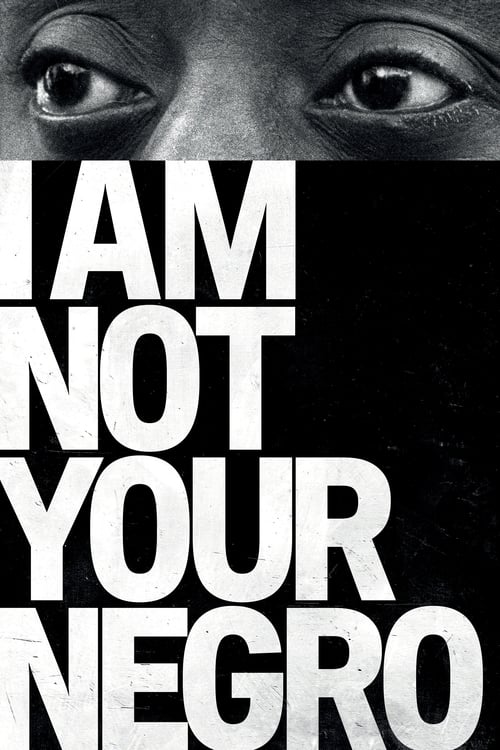
I Am Not Your Negro
2017
No user ratings available yet
Representation score: 7.2 out of 10

Representation Score
Excellent
2016
TV-MADirector
Ava DuVernay
Runtime
100 minutes
Average Rating
No ratings yetNew Showbiz Analysis
Ava DuVernay’s documentary is a powerful, systemic critique that centers the Black experience within the American legal framework. By tracing the evolution of racial subjugation from slavery to mass incarceration, the film disrupts conventional historical narratives. It successfully frames the 13th Amendment's loophole as a tool for systemic control. The work excels in its deconstruction of Western institutions and the prison-industrial complex. It highlights how profit motives and state power intersect to maintain racial hierarchies. This focus on identity-based power dynamics provides a sophisticated and necessary lens for understanding modern American history. However, the film's narrow focus on racial and legal structures means other intersections are less explored. LGBTQ+ identities, gender dynamics, and disability representation are not central to the narrative's primary analytical vectors.
Category Breakdown
The documentary does not center on LGBTQ+ identities or non-conforming gender narratives. Its main focus is on racial and legal structures rather than queer intersections.
The narrative focuses on systemic legal and racial structures rather than individual gender dynamics. It examines state power without actively challenging gender hierarchies through character roles.
The film provides exceptional representation by centering the Black experience within the American legal framework. It traces racial subjugation from slavery through modern mass incarceration with sophisticated historical depth.
The documentary offers a profound critique of Western institutions and the prison-industrial complex. It deconstructs 'law and order' narratives to highlight how the justice system maintains racial hierarchies.
The film does not specifically focus on neurodivergence or physical disabilities. While it touches on socioeconomic impacts, these intersections are not part of the core analytical thesis.
Present on Screen
Limited or Absent
Official Synopsis
An in-depth look at the prison system in the United States and how it reveals the nation's history of racial inequality.
2017

2020

2017

2015

2018
2012

2016

2017
No reviews yet. Be the first to share your thoughts on this movie!
Use the rating form above to leave a star rating and optional review.