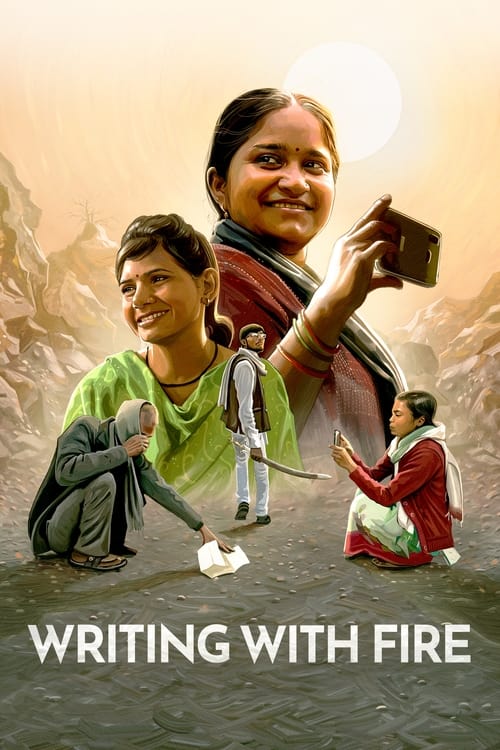
Writing with Fire
2021
No user ratings available yet
Representation score: 5.0 out of 10
Representation Score
Fair
2018
TV-PGDirector
Rayka Zehtabchi
Runtime
26 minutes
Average Rating
No ratings yetNew Showbiz Analysis
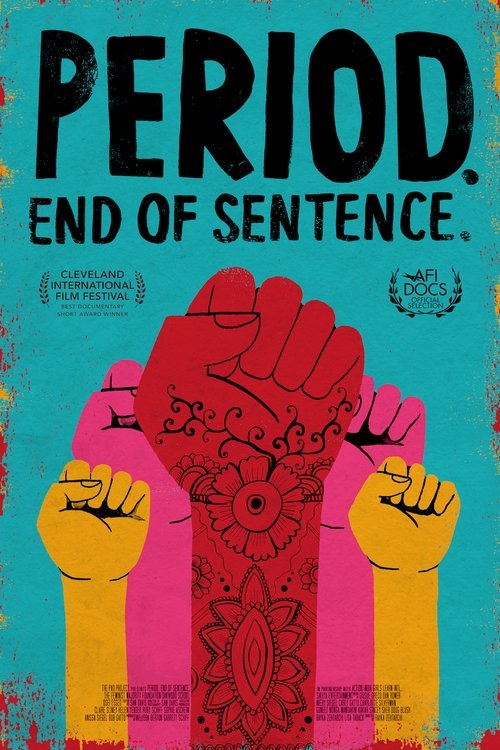
Period. End of Sentence. is a powerful study of how systemic barriers, specifically the intersection of gender and poverty, shape human ability to act. It successfully frames a biological reality as a site of political and social negotiation. The film excels by centering the voices of rural Indian women, allowing them to act as protagonists in their own economic liberation rather than mere subjects of a struggle. This approach avoids the trap of framing non-Western communities through a lens of victimhood.
Category Breakdown
The documentary focuses on the biological and social realities of menstruation within a rural community. It does not explicitly feature or explore LGBTQ+ identities or non-traditional gender expressions.
The film challenges traditional gender roles by showing women transitioning from passive recipients of stigma to active economic agents. It highlights the disruption of gendered limitations on education and labor.
The film provides a profound exploration of rural Indian identities without using an outsider's perspective. It centers the lived experiences and communal strength of the local women.
The narrative critiques how local social stigmas and traditionalist views on modesty act as oppressive forces. It emphasizes collective empowerment through a grassroots economic model.
There are no specific depictions of neurodivergence or permanent physical disabilities used as central plot devices. The film focuses instead on biological processes and socioeconomic infrastructure.
Present on Screen
Limited or Absent
Official Synopsis
In an effort to improve feminine hygiene, a machine that creates low-cost biodegradable sanitary pads is installed in a rural village in Northern India. Using the machine, a group of local women is employed to produce and sell pads, offering them newfound independence and helping to destigmatize menstruation for all.
2021
2000
2014
2020

2010
2016
2013
2023
No reviews yet. Be the first to share your thoughts on this movie!
Use the rating form above to leave a star rating and optional review.