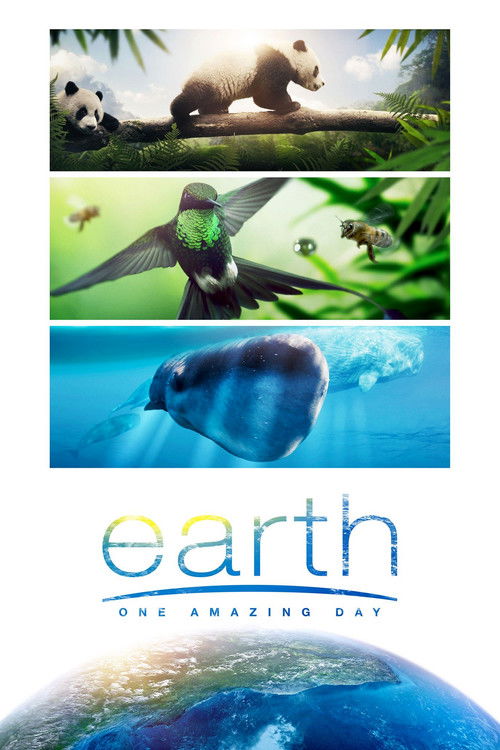
Earth: One Amazing Day
2017
No user ratings available yet
Representation score: 5.6 out of 10
Representation Score
Minimal
2010
GDirector
Jacques Perrin
Runtime
104 minutes
Average Rating
No ratings yetNew Showbiz Analysis
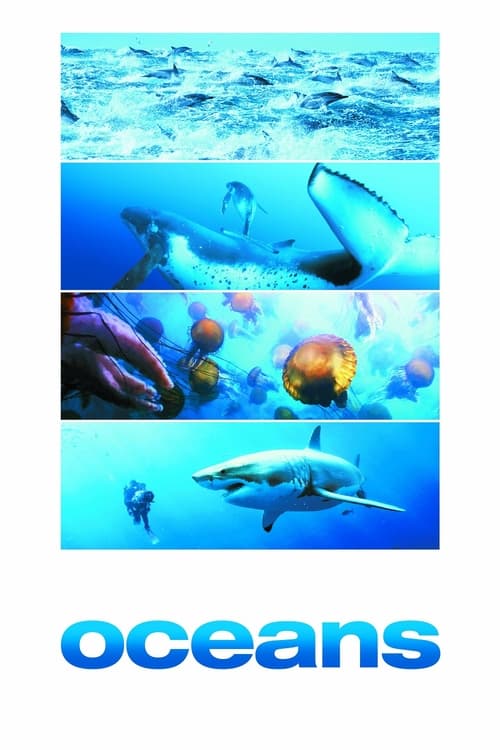
Oceans is a film that focuses on marine ecosystems, avoiding traditional demographic categories such as race, gender, and sexual orientation. Instead, it highlights the interconnectedness of marine life and the threats posed by human activities like industrial fishing and pollution. The film's narrative structure critiques the impact of human actions on the natural world, presenting an alternative perspective that emphasizes ecological balance over human-centric stories.
Category Breakdown
The film focuses exclusively on marine biology and ecological processes. There are no human characters or narrative arcs involving LGBTQ+ identities.
Because the subjects are non-human species, traditional human gender hierarchies and social dynamics are not applicable. The film does not engage with human gender roles.
The absence of a human cast precludes racial or ethnic representation. The narrative centers on a global ecological context rather than human demographic structures.
The film critiques Western industrial models and capitalist expansion. It frames human resource extraction as a disruptive force within the natural order.
With no human characters depicted, there is no representation of physical or neurodivergent disabilities present in the work.
Present on Screen
Limited or Absent
Official Synopsis
An ecological drama/documentary, filmed throughout the globe. Part thriller, part meditation on the vanishing wonders of the sub-aquatic world.
2017
2017
2021
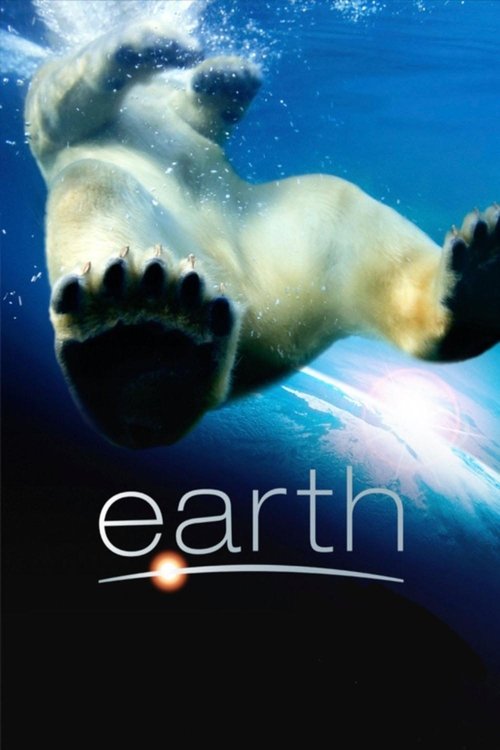
2007
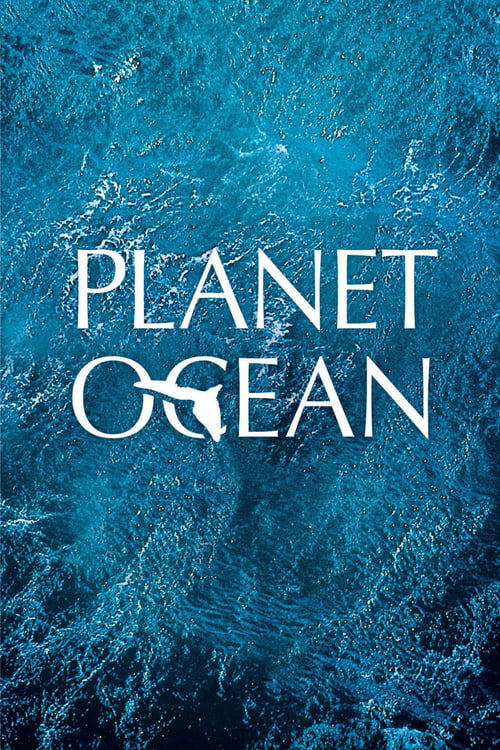
2012
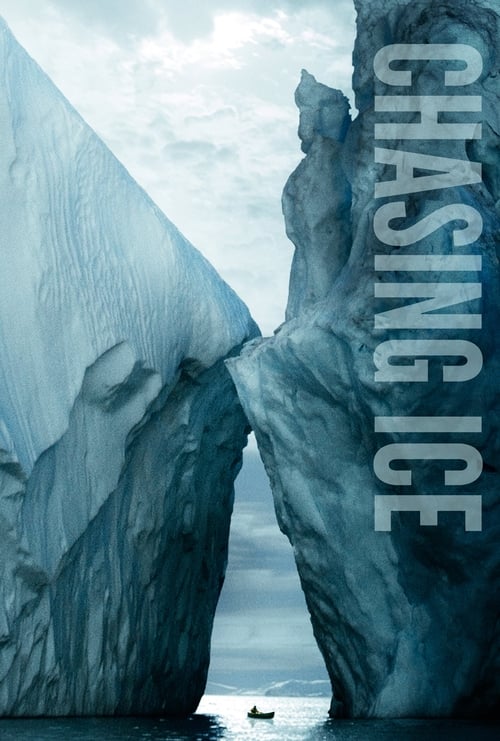
2012
2012
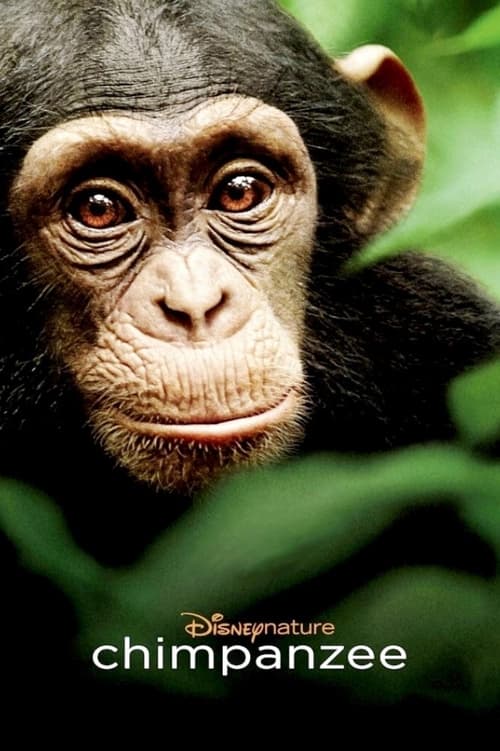
2012
No reviews yet. Be the first to share your thoughts on this movie!
Use the rating form above to leave a star rating and optional review.