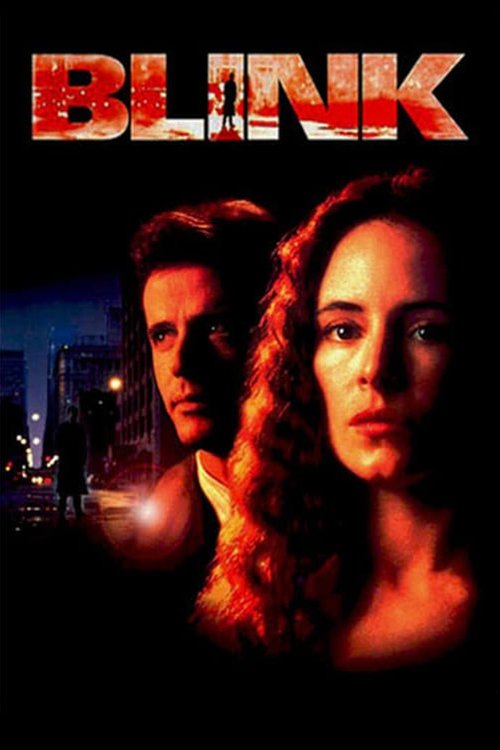
Blink
1993
No user ratings available yet
Representation score: 5.7 out of 10
Representation Score
Fair
2011
RDirector
Julien Magnat
Runtime
102 minutes
Average Rating
No ratings yetNew Showbiz Analysis
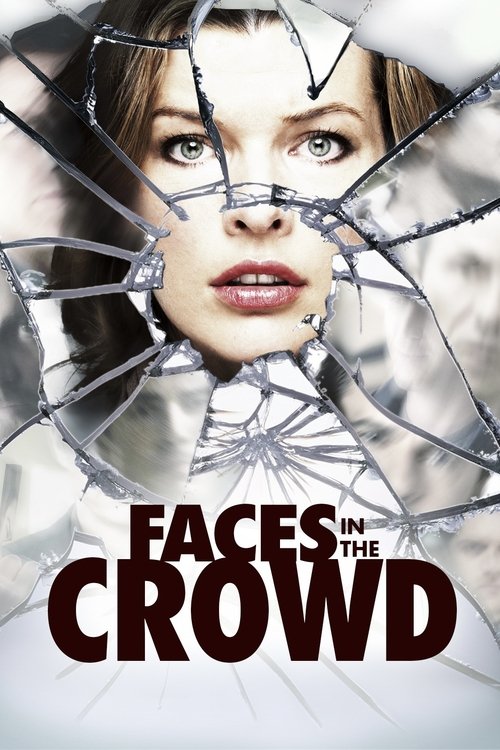
Faces in the Crowd is a genre-driven psychological thriller that delves deeply into the exploration of neurological disability. By focusing on a character dealing with prosopagnosia, the film offers a nuanced look at sensory and cognitive challenges. However, the film lacks broader multi-layered complexity. It adheres to traditional thriller conventions, emphasizing individual survival rather than engaging with systemic social, racial, or cultural critiques. The narrative structure remains centered on the protagonist's personal trauma. While the film successfully provides a female-led perspective, it does not significantly challenge gender hierarchies or diverse identity representation. It is primarily a focused character study of a specific condition rather than a broad social commentary.
Category Breakdown
The film does not explicitly depict queer identities or relationships that challenge the assumption that everyone is straight or cisgender. The narrative focuses on the protagonist's psychological trauma and survival.
Anna, a female protagonist, leads the high-stakes survival scenario. Despite following traditional thriller clichés, the film establishes a strong foundation for female-led storytelling through her active role.
There is no available information regarding the racial composition of the cast or the ethnic backgrounds of the characters.
The themes emphasize individual psychological struggle without engaging with systemic critiques. The film does not address secularism, anti-capitalist sentiments, or the deconstruction of Western institutions.
The plot revolves around prosopagnosia, or face blindness, as a key element of the protagonist's experience. This approach presents neurodivergence as an integral part of the character's life.
Present on Screen
Limited or Absent
Official Synopsis
Anna is living with "face-blindness" after surviving a serial killer's attack. As she lives with her condition, one in which facial features change each time she loses sight of them, the killer closes in.
1993
1971
2020
2011
2021
2005
2013

2013
No reviews yet. Be the first to share your thoughts on this movie!
Use the rating form above to leave a star rating and optional review.