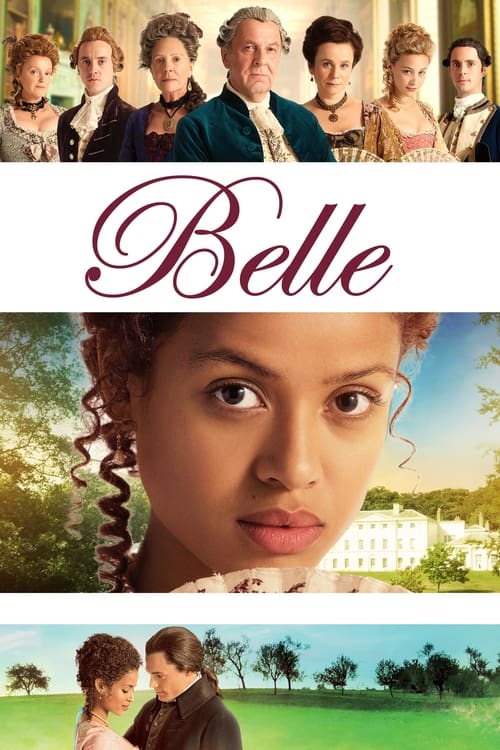
Belle
2013
No user ratings available yet
Representation score: 6.2 out of 10
Representation Score
Fair
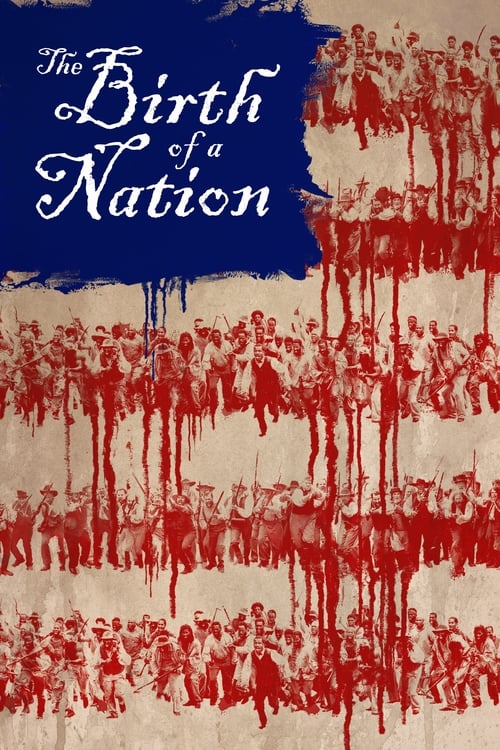
2016
RDirector
Nate Parker
Runtime
120 minutes
Average Rating
No ratings yetNew Showbiz Analysis
Nate Parker’s film is a powerful reclamation of history that centers Black ability to act in a genre often dominated by white perspectives. By focusing on Nat Turner’s liberation movement, the film disrupts traditional historical narratives and challenges systemic power hierarchies. While the film excels in racial and cultural representation, it remains limited by its narrow thematic scope. The absence of LGBTQ+ identities and the lack of female-led ability to act prevent a higher overall score. Ultimately, the work serves as a profound exploration of identity-based power dynamics, using the medium to highlight the resistance against an oppressive state apparatus.
Category Breakdown
The film focuses entirely on the socio-political realities of the antebellum South. There is no presence of LGBTQ+ identities or non-cisgender subtext within the narrative.
Black women are depicted through the lens of overlapping racial and gender vulnerabilities and systemic oppression. While they avoid submissive stereotypes, the primary plot arc lacks significant female leadership.
The film centers a Black protagonist and cast to reclaim historical ability to act. This approach successfully disrupts the 'white savior' cliché common in period dramas.
The narrative critiques Western institutions and portrays Southern structures as inherently corrupt. Religious imagery is repurposed as a tool for liberation rather than institutional morality.
The film provides no evidence of characters defined by visible or invisible disabilities. Consequently, no representation is documented.
Present on Screen
Limited or Absent
Official Synopsis
Nat Turner, a former slave in America, leads a liberation movement in 1831 to free African-Americans in Virginia that results in a violent retaliation from whites.
2013
1915
1996
1997
2007
1987

2019
1990
No reviews yet. Be the first to share your thoughts on this movie!
Use the rating form above to leave a star rating and optional review.