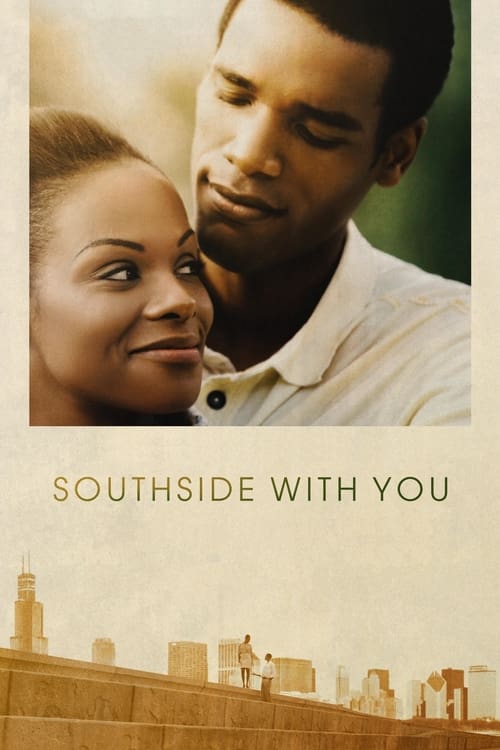
Southside with You
2016
No user ratings available yet
Representation score: 4.3 out of 10
Representation Score
Fair
2016
PG-13Director
Jeff Nichols
Runtime
123 minutes
Average Rating
No ratings yetNew Showbiz Analysis
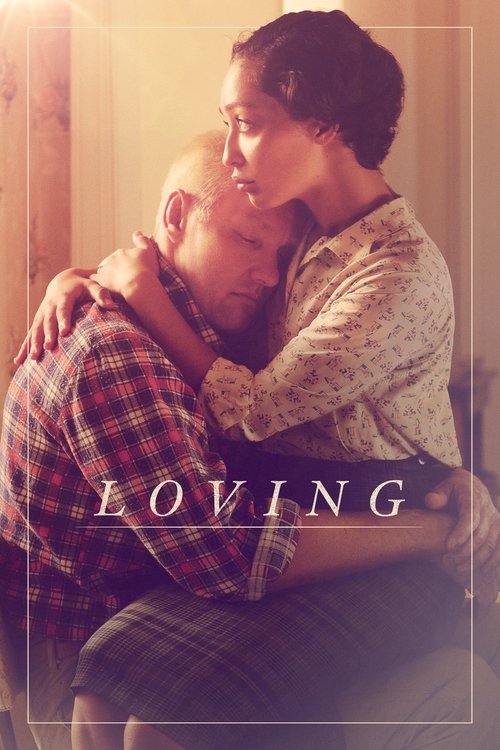
Loving is a sophisticated biographical drama that uses historical realism to critique systemic inequality. It effectively highlights the struggle for individual autonomy against the backdrop of a discriminatory state. The film dismantles white-centric historical perspectives and centers an multi-layered view on race and domestic life. It prioritizes the subjective morality of its protagonists over the discriminatory laws of the time. While the film lacks LGBTQ+ or disability narratives, its powerful critique of racial hierarchies and institutional oppression offers a strong social justice perspective.
Category Breakdown
The film focuses solely on a heterosexual relationship, with no depiction of non-straight or non-cisgender identities or same-sex intimacy.
The film portrays a partnership marked by mutual support, avoiding traditional gender stereotypes. Mildred is shown as a strong and resilient character throughout the story.
The narrative centers on the experiences of an interracial couple, challenging conventional historical portrayals of the American South. Mildred Loving is portrayed as a non-white protagonist with significant influence.
The film critically examines the 1950s judicial and law enforcement systems, presenting them as tools of systemic oppression used to enforce racial hierarchies.
There are no prominent characters or plotlines focusing on physical or neurodivergent disabilities.
Present on Screen
Limited or Absent
Official Synopsis
In 1958, in the state of Virginia, the idea of interracial marriage was not only considered to be immoral to many, it was also illegal. When Richard and Mildred fall in love, they are aware of the eyes staring at them and the words said behind their backs. It's when they get married, however, that words and looks become actions, and the two are arrested. The couple decide to take their case all of the way to the Supreme Court in order to fight for their love. Based on a true story.
2016

1960

2018
2018

2017

1985

2015
1990
No reviews yet. Be the first to share your thoughts on this movie!
Use the rating form above to leave a star rating and optional review.