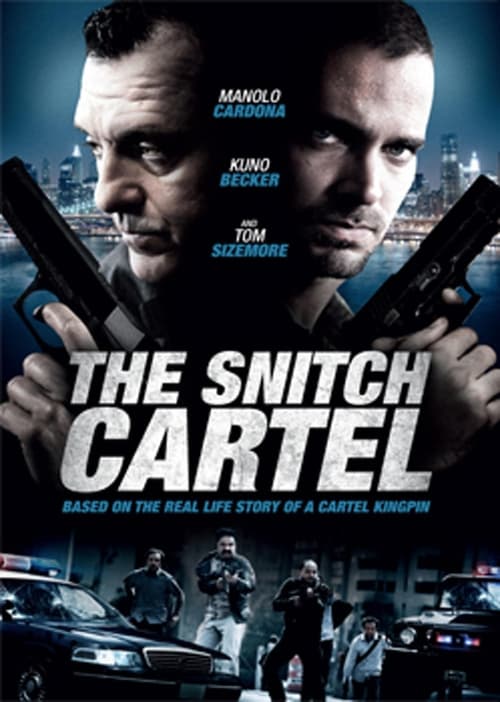
The Snitch Cartel
2011
No user ratings available yet
Representation score: 3.8 out of 10

Representation Score
Fair
2018
Not RatedDirector
Ciro Guerra, Cristina Gallego
Runtime
125 minutes
Average Rating
No ratings yetNew Showbiz Analysis
Birds of Passage is a powerful decolonial work that prioritizes indigenous knowledge over Western moral frameworks. It succeeds by treating Wayuu customs and spiritualities as the primary reality rather than a mere backdrop for the crime drama. The film's greatest strength lies in its racial and ethnic authenticity, presenting a majority Wayuu cast and exploring the collision of indigenous sovereignty with global commodity chains. It also offers a sophisticated look at matrilineal power structures. However, the film lacks LGBTQ+ representation and does not feature characters with disabilities. The social fabric depicted is strictly rooted in traditional, straight-centered clan lineages.
Category Breakdown
The film does not include any LGBTQ+ characters or non-assuming gender matches what was assigned at birth identities. The story focuses on traditional Wayuu customs and clan structures.
The narrative challenges patriarchal hierarchies by centering the Wayuu matrilineal system. Women play a crucial role in the clan, influencing lineage and social legitimacy.
This film is a strong example of indigenous-centric storytelling. It centers the narrative within the Wayuu social and linguistic frameworks, avoiding including someone from a minority group without giving them real depth or an exoticized Western perspective.
The film critiques how global capitalism and the drug trade disrupt indigenous cohesion. It frames ritualistic blood vengeance as a systemic obligation within the Wayuu framework.
There are no prominent depictions of visible or invisible disabilities that drive the plot or serve as central character arcs.
Present on Screen
Limited or Absent
Official Synopsis
During the marijuana bonanza, a violent decade that saw the origins of drug trafficking in Colombia, Rapayet and his indigenous family get involved in a war to control the business that ends up destroying their lives and their culture.
2011

2019
2001
2013
1998

2006
1989
2015
No reviews yet. Be the first to share your thoughts on this movie!
Use the rating form above to leave a star rating and optional review.