
The Goodbye
2015
No user ratings available yet
Representation score: 6.0 out of 10

Representation Score
Fair
2018
RDirector
Alfonso Cuarón
Runtime
135 minutes
Average Rating
No ratings yetNew Showbiz Analysis
Roma is a sophisticated exploration of socioeconomic and ethnic hierarchies in 1970s Mexico City. By centering the lived experience of an Indigenous domestic worker, the film elevates invisible labor to the heart of the narrative. It successfully deconstructs traditional class and familial structures through a deeply personal lens. The film excels in its portrayal of Indigenous ethnicity and class dynamics, highlighting the resilience of women across class divides. However, it lacks representation of LGBTQ+ identities and does not include characters with formal disabilities.
Category Breakdown
The film does not feature any LGBTQ+ characters. It focuses on the domestic and political realities of the 1970s.
The story centers around women's roles and emotional labor. It challenges traditional gender roles by showing women navigating systemic instability and demonstrating resilience.
The film offers a nuanced look at Indigenous Mixtec identity within a middle-class family. It uses this to critique the lingering effects of colonial power dynamics.
The narrative critiques institutional stability by showing political unrest and religious structures as sources of instability. It explores the tension between individual survival and societal expectations.
The film does not include any characters with formal disabilities. Instead, it focuses on psychological and physical vulnerabilities linked to maternal trauma and loss.
Present on Screen
Limited or Absent
Official Synopsis
In 1970s Mexico City, two domestic workers help a mother of four while her husband is away for an extended period of time.
2015
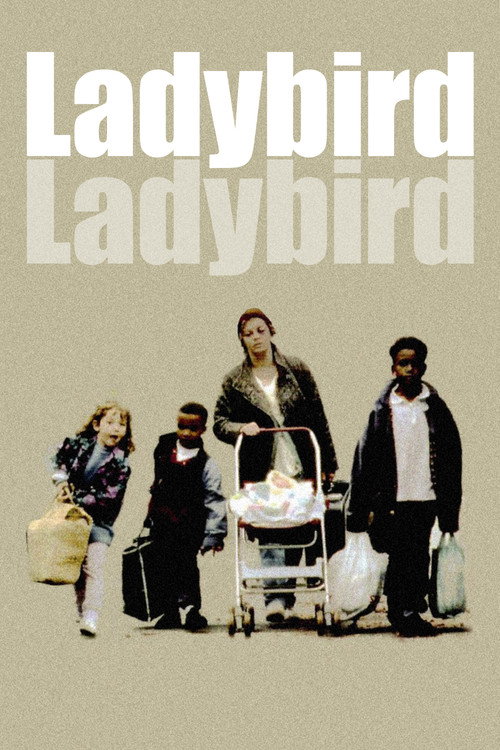
1994

2019
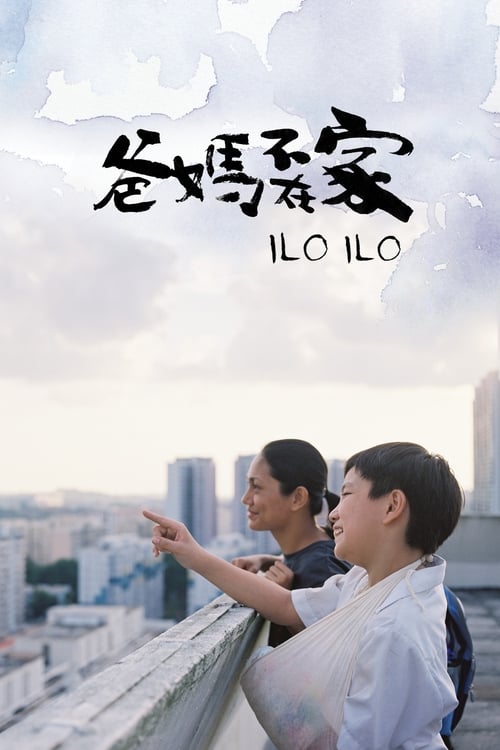
2013
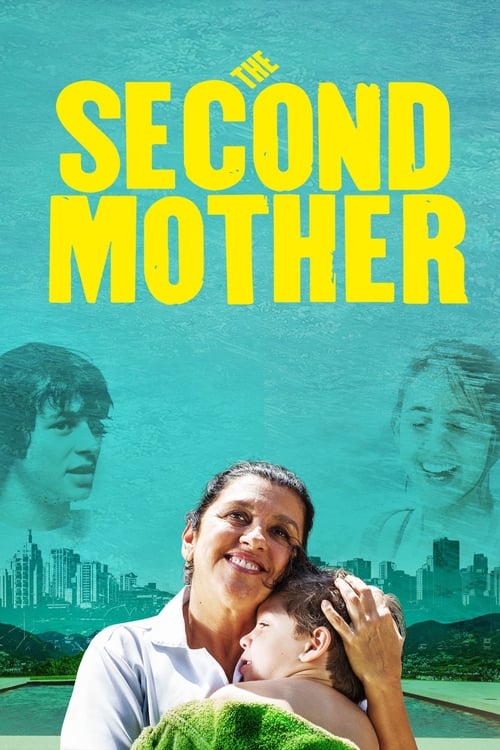
2015
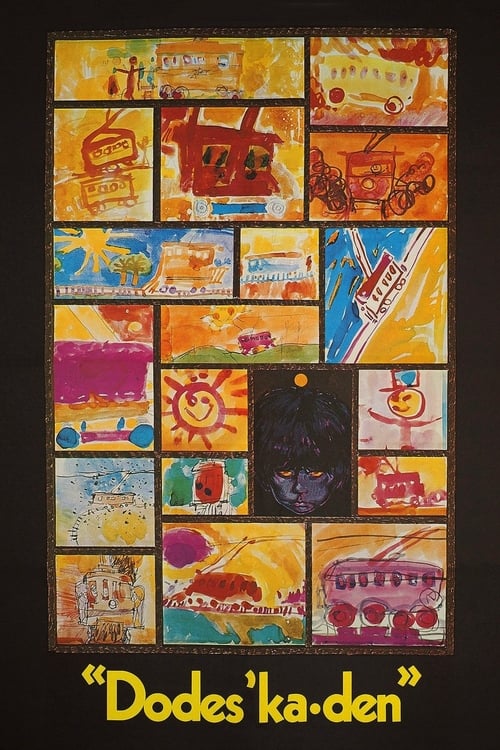
1970

2019

2019
No reviews yet. Be the first to share your thoughts on this movie!
Use the rating form above to leave a star rating and optional review.