
The Keeping Room
2014
No user ratings available yet
Representation score: 3.5 out of 10
Representation Score
Good
2012
RDirector
Quentin Tarantino
Runtime
165 minutes
Average Rating
No ratings yetNew Showbiz Analysis
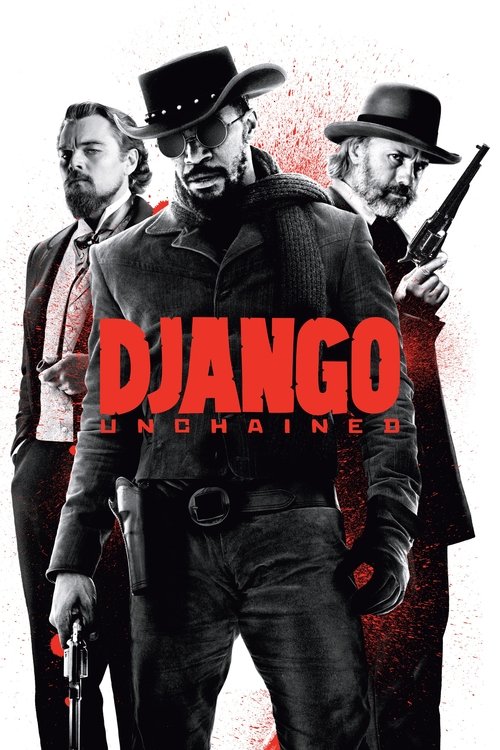
Django Unchained places a freed slave at the center of a violent revenge plot. The film treats the plantation as a site of grotesque ownership, where Black bodies are commodities. Django’s competence and Schultz’s moral clarity dismantle the white hierarchy. The closing image is a married couple riding into the sunset, their freedom earned through blood and wit.
Category Breakdown
No LGBTQ+ characters, intimacy, or identity discussions appear on screen. The film’s conflict centers on racial hierarchy and gendered ownership.
Broomhilda is literate and vocal, asserting her personhood against her owner. She is not a passive prize; her knowledge and defiance drive the escape. The film frames her marriage to Django as a union of equals, not a rescue narrative.
Black characters hold the moral center and physical power. Django and Schultz invert the traditional master-servant dynamic, with the enslaved man becoming the competent hunter. White authority figures are depicted as cruel, hypocritical, or comic.
Slavery and the plantation system are portrayed as grotesque and dehumanizing. The film rejects the “civilizing” myth of slavery, presenting the South as a lawless space where violence is the only language. Freedom is achieved through direct action, not institutional reform.
No characters with lasting physical or cognitive impairments are featured. Injuries from violence are temporary plot devices, not depictions of disabled life.
Present on Screen
Limited or Absent
Official Synopsis
With the help of a German bounty hunter, a freed slave sets out to rescue his wife from a brutal Mississippi plantation owner.
2014
1958
2013
1975
2016
1957
2015
1987
No reviews yet. Be the first to share your thoughts on this movie!
Use the rating form above to leave a star rating and optional review.